
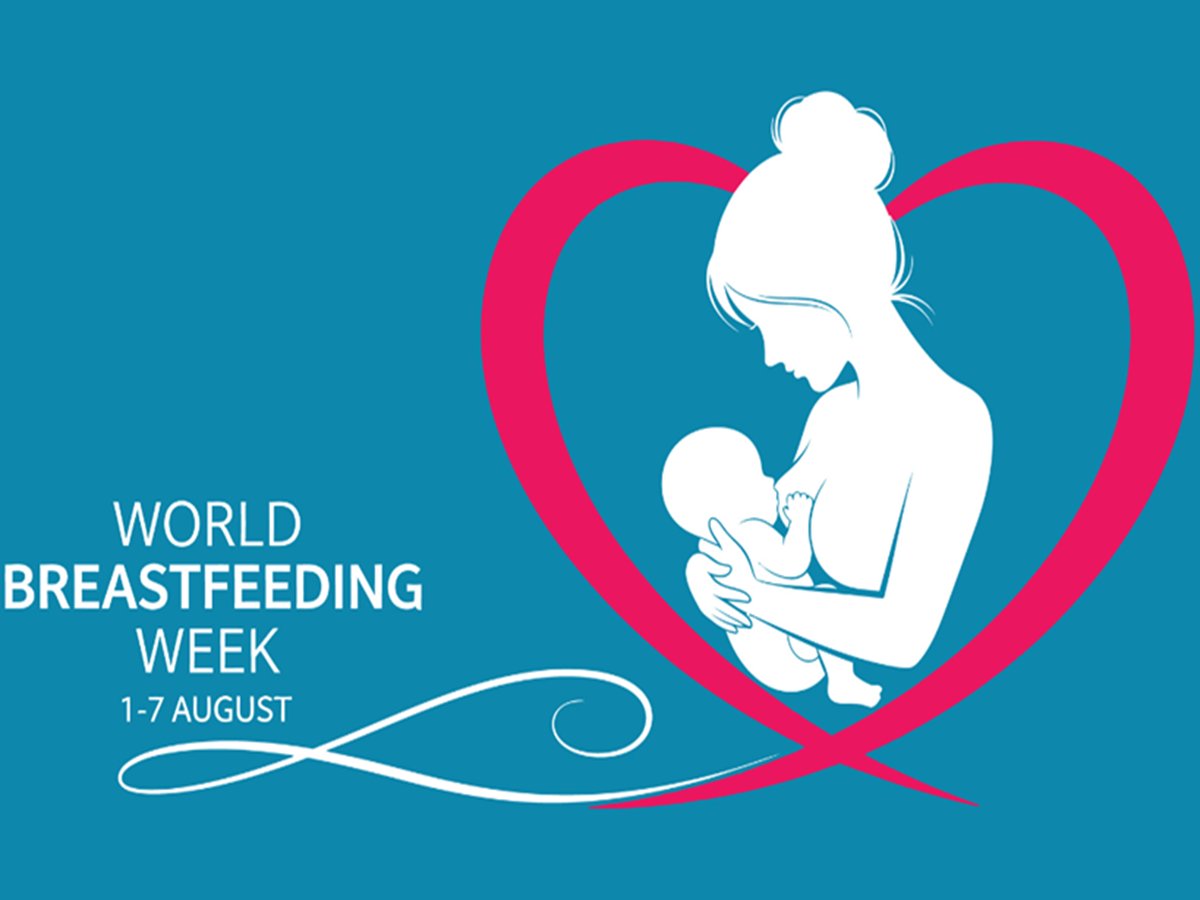
World Breastfeeding Week 2026: World Breastfeeding Week is observed annually from August 1 to 7. Its objective is to raise awareness about the importance of breast milk and to promote breastfeeding for the better health of infants.

It is essential for everyone to understand that breast milk is considered the most complete food for a baby during the initial months after birth, containing the nutrients, antibodies, and energy necessary for a newborn's development.
According to experts, exclusive breastfeeding for the first six months plays a crucial role in a child's physical and mental development. Let us explore in detail why breast milk is vital for newborns, its benefits, and key points to consider regarding breastfeeding.
Why is breast milk essential for the baby?
Breast milk is considered nature's best source of nutrition for a newborn. It contains proteins, fats, vitamins, minerals, and other elements that provide nutrition tailored to the baby's needs.
1. Helps protect against diseases
The antibodies present in breast milk help strengthen the baby's immunity. This can assist in protecting the newborn from various infections, such as diarrhea, pneumonia, and respiratory illnesses.
2. Beneficial for the baby's development
The nutrients obtained through breastfeeding play a vital role in the development of the baby's brain, eyes, and body. It is crucial for the baby's rapid growth during the early months.
3. Strengthens the bond between mother and child
Breastfeeding is not merely a means of nutrition; it also strengthens the emotional bond between mother and child, giving the baby a sense of security and belonging.
4. Beneficial for the mother's health as well
Breastfeeding can aid the mother's body in postpartum recovery. It is also considered helpful in reducing the risk of certain health issues.
5. Why are the first six months crucial?
The World Health Organization (WHO) recommends exclusive breastfeeding—feeding the baby only breast milk—for the first six months after birth. Thereafter, breastfeeding can be continued alongside other nutritious foods based on the child's needs.
**Mothers should also pay attention to their diet**
A breastfeeding mother's diet directly impacts her health and the quality of her breast milk. During this period, the body requires increased energy and nutrients, as the baby derives nourishment from the mother's body. Therefore, the mother should include foods rich in protein, calcium, iron, vitamins, and minerals in her diet.
Mothers should consume lentils, green vegetables, fruits, milk and dairy products, whole grains, dry fruits, and an adequate amount of nutritious food. Additionally, drinking sufficient water is essential to prevent dehydration during breastfeeding. Excessive stress and fatigue can also affect milk production; hence, getting adequate sleep and rest is crucial for the mother. It is advisable to avoid alcohol, smoking, and excessive caffeine intake.
PC Social Media