LIFESTYLE
World TB Day 2026: How long does it take to cure TB? What is the best treatment? Find out from a doctor..
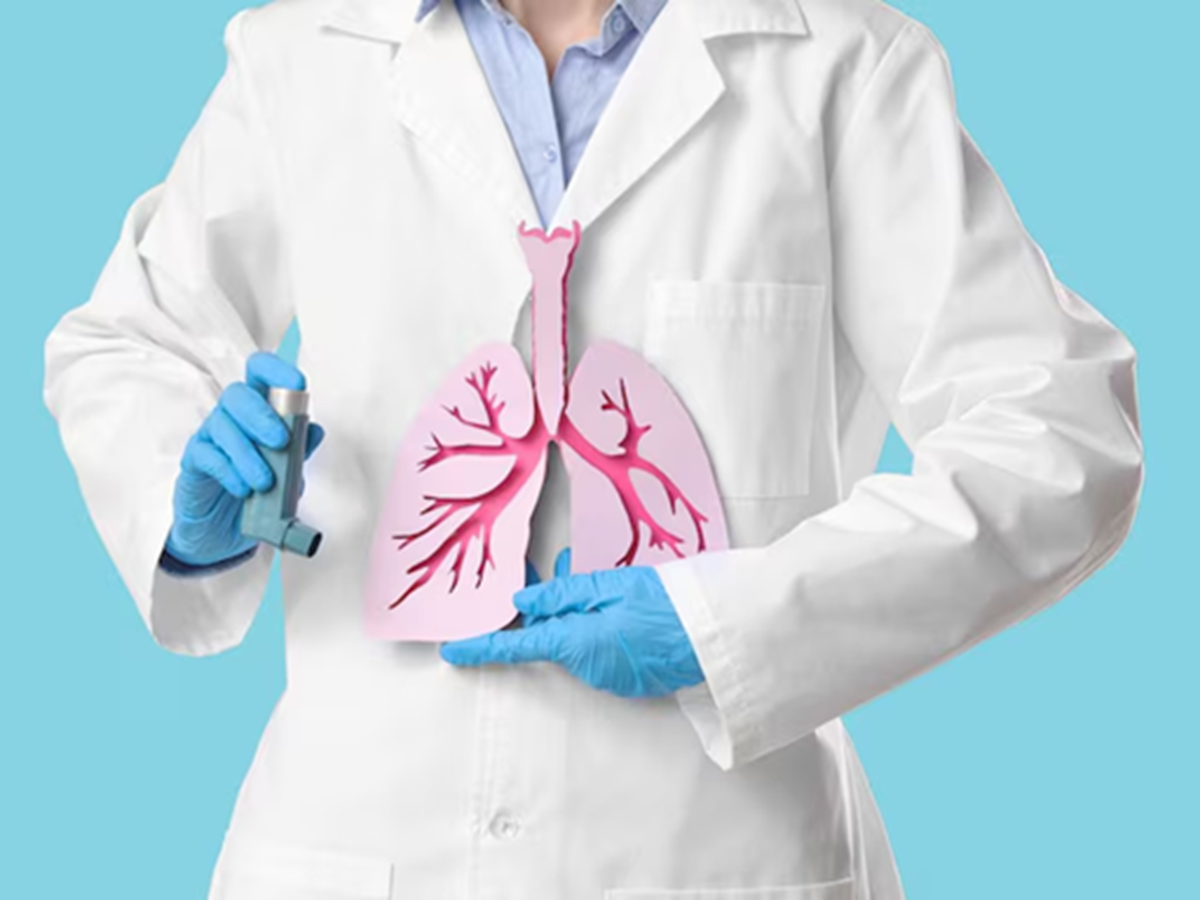
Tuberculosis Treatment: Even today, TB remains a major health challenge in our country. While TB can affect any organ in the body, it primarily impacts the lungs in the majority of cases. The TB bacteria may be present in many people's bodies; however, the disease manifests only when the body's immunity becomes compromised. This weakened immunity can stem from poor nutrition, an unhygienic lifestyle, or the presence of other underlying illnesses. Symptoms of TB typically include a persistent cough, fever, weight loss, and, occasionally, coughing up blood. Beyond the lungs, TB can also affect the lymph nodes, brain, kidneys, bones, and eyes.
Dr. Sarvinder Singh, Head of the Pulmonology Department at Yatharth Hospital (located in Omega 1, Greater Noida), noted that India bears a significant burden of TB, accounting for approximately 25% of the world's total TB patients. Millions of new cases are reported annually. Although there has been a gradual decline in the overall number of cases, drug-resistant TB remains a matter of serious concern. To effectively control TB, timely diagnosis, completion of the full course of treatment, proper nutrition, and wearing masks in crowded public spaces are essential. Both the prevention and treatment of TB are possible; however, this requires public awareness and taking appropriate action at the right time.
If you are facing any personal dilemmas related to health, relationships, lifestyle, or religion/astrology, please WhatsApp us; we will provide guidance while keeping your identity strictly confidential.
The doctor explained that the standard treatment for TB typically spans six months. During this period, the patient is required to take medications regularly. The initial two months of therapy constitute the "intensive phase," followed by a four-month "continuation phase." If the patient takes their medication on schedule and does not discontinue the treatment prematurely, TB can be completely cured in the vast majority of cases. However, if the TB bacteria develop resistance to medications (resulting in MDR-TB)—rendering standard drugs ineffective—the treatment duration may extend anywhere from 9 to 24 months. TB is treated using a combination of antibiotic medications.
In India, the government's Directly Observed Treatment, Short-course (DOTS) strategy is considered the most effective method. Under this treatment regimen, patients receive their medication regularly under the supervision of a healthcare worker to ensure that the course of treatment is not left incomplete. Under the government's Nikshay program, TB diagnostic testing and medications are provided free of cost. This program also offers financial and nutritional support to patients. TB treatment is successful only when the patient adheres to certain essential guidelines. Medications must be taken daily and on time, without missing any doses. One should consume a nutritious diet, including items such as lentils, fruits, and green vegetables. It is also important to get adequate rest and work on strengthening the body. Additionally, one should cover their mouth while coughing, wear a mask, and undergo regular check-ups. Discontinuing the treatment midway can lead to a recurrence of the disease and may reduce the efficacy of the medications.
PC Social Media