LIFESTYLE
Chhathi Maiya is worshipped not only in the month of Kartik but also in Chaitra, A major four-day festival..
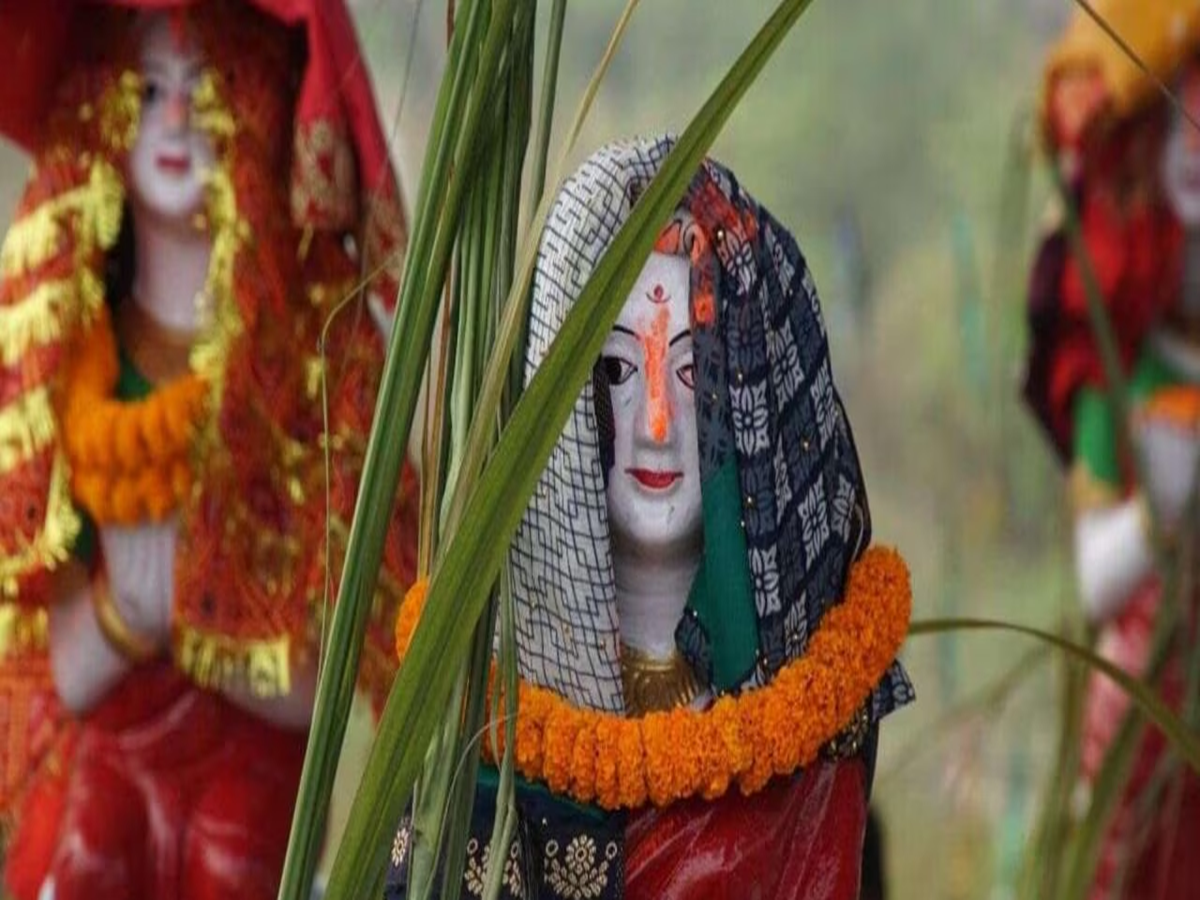
Chhath is a major festival in North India, eagerly awaited throughout the year. While it is a prominent Hindu festival, particularly in Bihar and eastern Uttar Pradesh, it is now celebrated across various parts of India, including Uttar Pradesh, Bihar, and Jharkhand. Chhath is unique in that it involves the worship of both the rising and the setting sun.
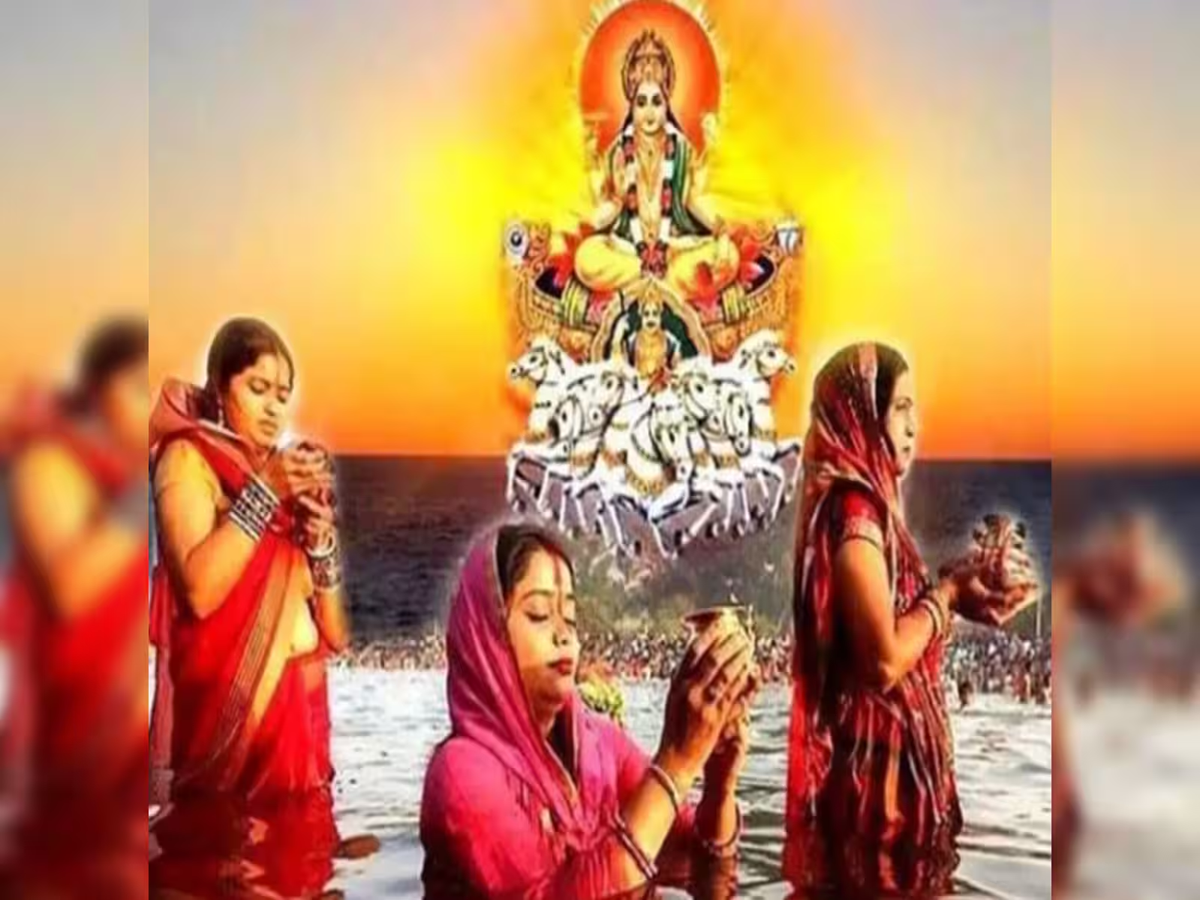
According to the Hindu calendar, Chhath Puja is observed on the sixth day of the month of Kartika; hence, it is also known as 'Surya Shashthi'. It is a rigorous four-day fast, observed with great discipline and purity. This year, the four-day festival begins on November 13 with 'Nahay-Khay' and concludes on November 16 with 'Usha Arghya' (the offering to the rising sun).
How many times a year is Chhath celebrated?
Many people may not be aware that Chhath is actually celebrated twice a year, not just once. While this might come as a surprise to some, it is true.
In addition to the one in the month of Kartika, Chhath is also observed during the month of Chaitra. There is no significant difference between the two; the rituals for the Chaitra Chhath are the same as those followed during the Kartika Chhath.
Despite it being celebrated twice a year, most people prefer to observe the Chhath that falls in the month of Kartika. This is because the Kartika Chhath coincides with the onset of the winter season; the days are shorter, making it relatively easier to observe the fast.
In contrast, the Chaitra Chhath—locally known as 'Chaiti Chhath'—falls at the beginning of the summer season, when the weather becomes quite hot. Observing a *nirjala* fast (a fast without water) for 36 consecutive hours under the scorching sun can be quite challenging. Conversely, during the month of Kartika, the arrival of cooler weather makes it less difficult for those observing the fast. However, many people also observe Chhath during the month of Chaitra.
The Significance of the Four-Day Chhath
The four-day Chhath fast is considered highly rigorous and spiritual. On the first day of Chhath Puja, devotees take a dip in a sacred river or an artificial water body. After bathing and worshipping the Sun God, they consume a *sattvic* (pure/simple) meal, typically consisting of split Bengal gram (*chana dal*), bottle gourd (*ghiya*), and rice.
The second day of Chhath is known as 'Kharna'. On this day, devotees observe a fast from dawn to dusk; in the evening, after worshipping Mother Earth (*Dharti Mata*), they partake in a special *prasad* (offering). Bananas, jaggery, and a *kheer* (pudding) made of rice are considered the most significant offerings during Kharna, which are then shared among family members and friends.
The third day of Chhath is 'Sandhya Arghya', also referred to as 'Sanjhiya Ghat'. On this evening, a large number of devotees gather along the riverbanks to offer *arghya* (oblations) to the setting sun. During this time, folk songs are played at the *Chhath Ghat*. On the night of the third day, a vibrant ritual known as 'Kosi' takes place.
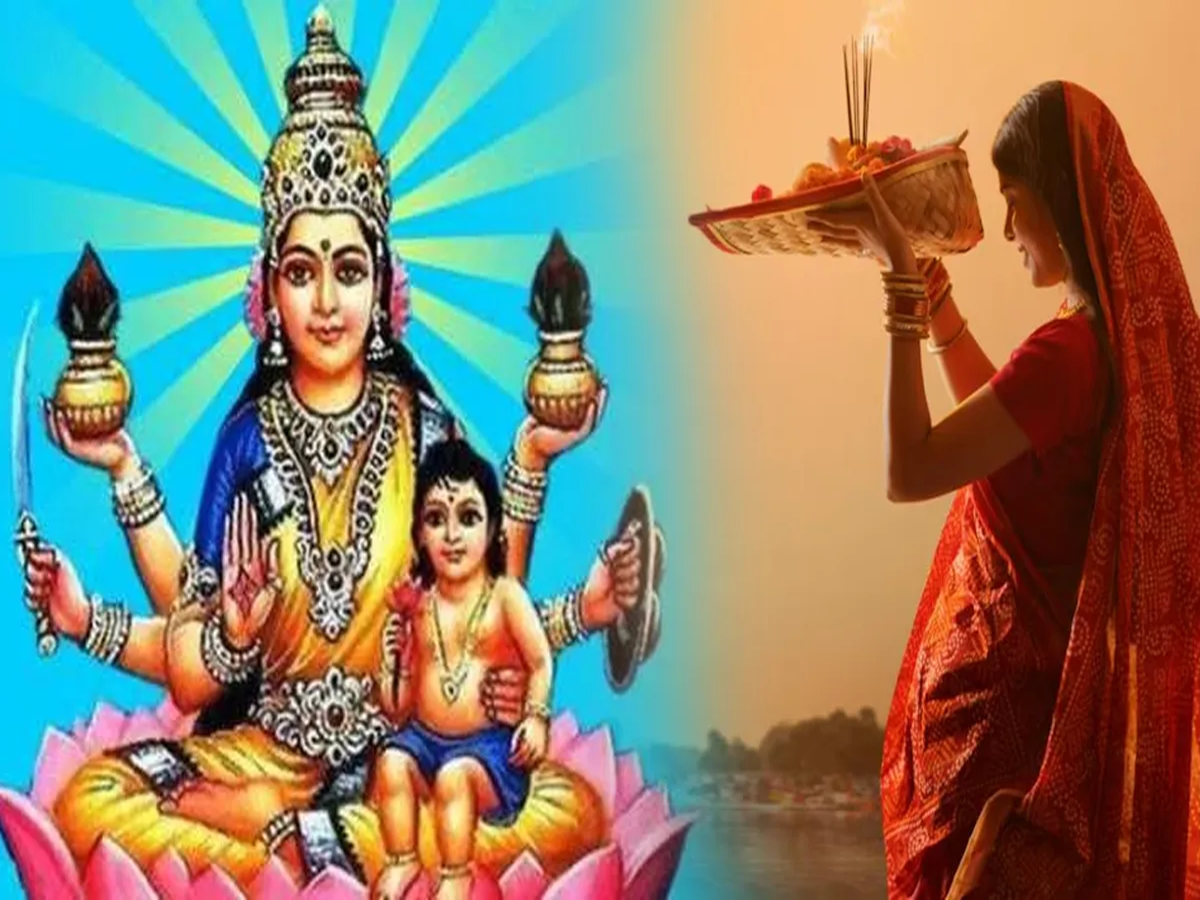
A canopy-like structure is fashioned from sugarcane stalks, beneath which earthen lamps are lit and placed alongside baskets filled with *prasad*. On the fourth and final day of Chhath, family members and friends head to the riverbanks before sunrise to offer *arghya* to the rising sun. Following this ritual, the devotees break their fast and distribute the Chhath *prasad* to everyone present.
PC Social Media