Parenting
Full-fat, low-fat, or skimmed milk: Which type of milk should you give your child? Find out what pediatricians recommend..

US President Donald Trump signed the Whole Milk for Healthy Kids Act into law on Wednesday. As a result, American children will be able to drink whole milk in schools for the first time in nearly 15 years. Trump stated that whole milk is beneficial for children's health.
In India, too, giving milk to children for better development has been a practice for centuries. Ayurveda also describes milk as nutritious for health. However, nowadays, parents are very hesitant to give milk to their children because the market now offers many options, such as full-fat, low-fat, and skim milk. Therefore, we spoke to Dr. Deepak Sharma, Senior Director and Head of the Pediatrics and Neonatology Department at Yatharth Super Specialty Hospital in Faridabad.
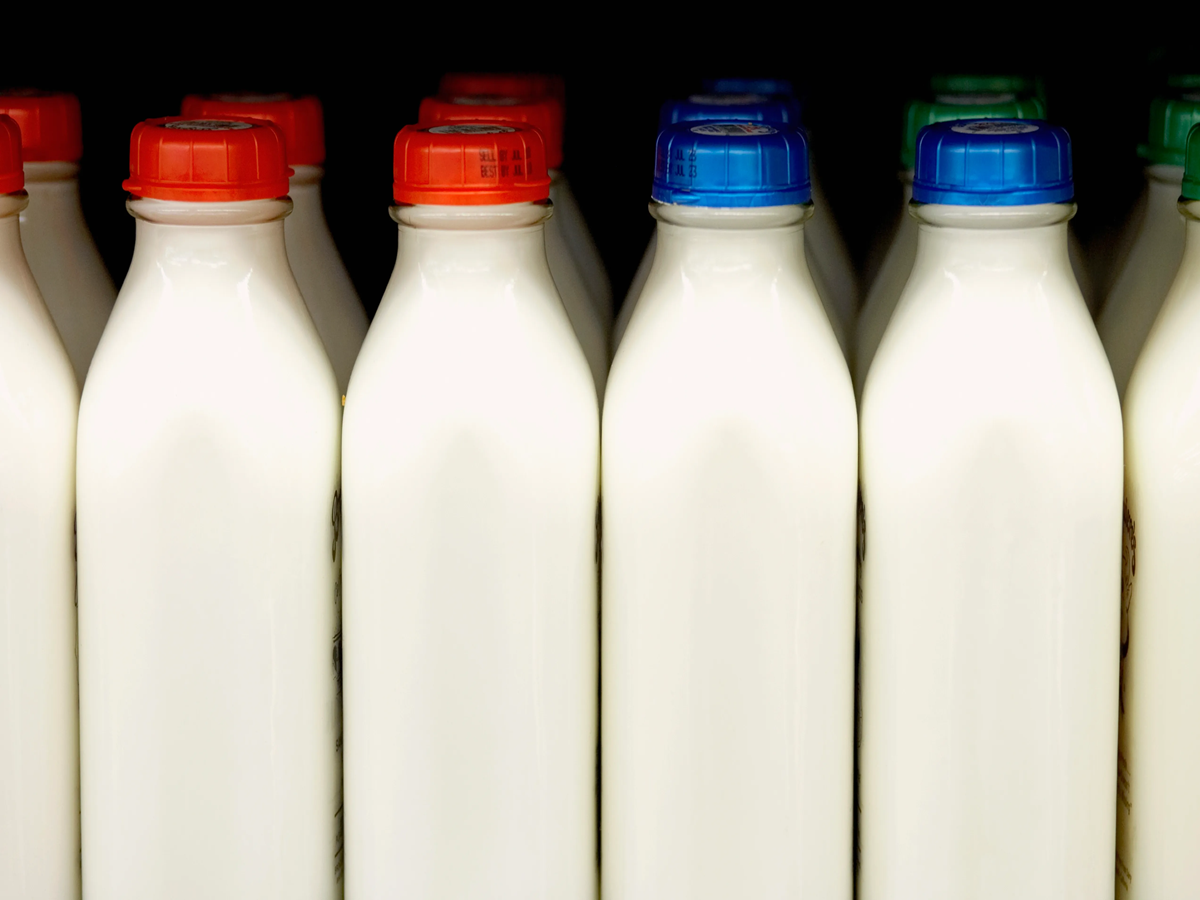
Which type of milk is best for children?
The doctor explained that the best type of milk for a child will largely depend on their age, nutritional needs, activity level, and overall health. Full-fat milk contains approximately 3-4 percent fat and has more calories, as well as higher amounts of Vitamin A, Vitamin D, calcium, and beneficial fats. The fat in full-fat milk is essential for brain development, hormones, absorption of fat-soluble vitamins, and much more.
Risk of calorie deficiency
The doctor explains that low-fat milk has a lower fat content, usually 1-2%, and fewer calories compared to full-fat milk. When it comes to skimmed or fat-free milk, the fat is almost completely removed, resulting in a significant reduction in calories. However, the right amount of calories is very important for children's development. A deficiency can cause delays in milestones such as walking or talking.
Change children's milk according to their age.
For children aged 1-5 years, full-fat milk is the best option. Young children are growing rapidly, so they need sufficient fat in their diet for brain development and energy. Full-fat milk is a healthy option for children over 5 years old. However, if a child is physically active and eats a balanced diet, low-fat milk can also be given. Low-fat milk contains protein, calcium, and vitamins, but has fewer total fat calories compared to whole milk. It can also be beneficial for children who are overweight or have a family history of obesity, high cholesterol, or heart disease.
Skimmed milk is not for young children.
Doctors advise that skimmed or fat-free milk is generally not considered suitable for very young children unless a medical professional recommends it. Older teenagers with certain medical conditions may be advised to drink skimmed or fat-free milk.
How much milk should children drink?
Doctors emphasize that the type of milk consumed is as important as the quantity. A child who drinks too much milk may not have the appetite for a balanced diet that includes fruits, vegetables, grains, and legumes. Most children should drink 1 to 2 cups (200–400 ml) of milk per day, and it should be consumed as part of a meal, not in place of a meal.

Keep this in mind
When it comes to milk for children, there is no one-size-fits-all approach. Full-fat milk is generally best for young children; older children with a good, balanced diet may benefit from low-fat milk; and non-fat/skimmed milk should only be consumed when advised by a doctor. Always consult your doctor to determine what is best for your child's needs.
PC Social Media