FASHION
Hair Care Tips: Say goodbye to dandruff this winter—follow these 7 simple tips starting today..
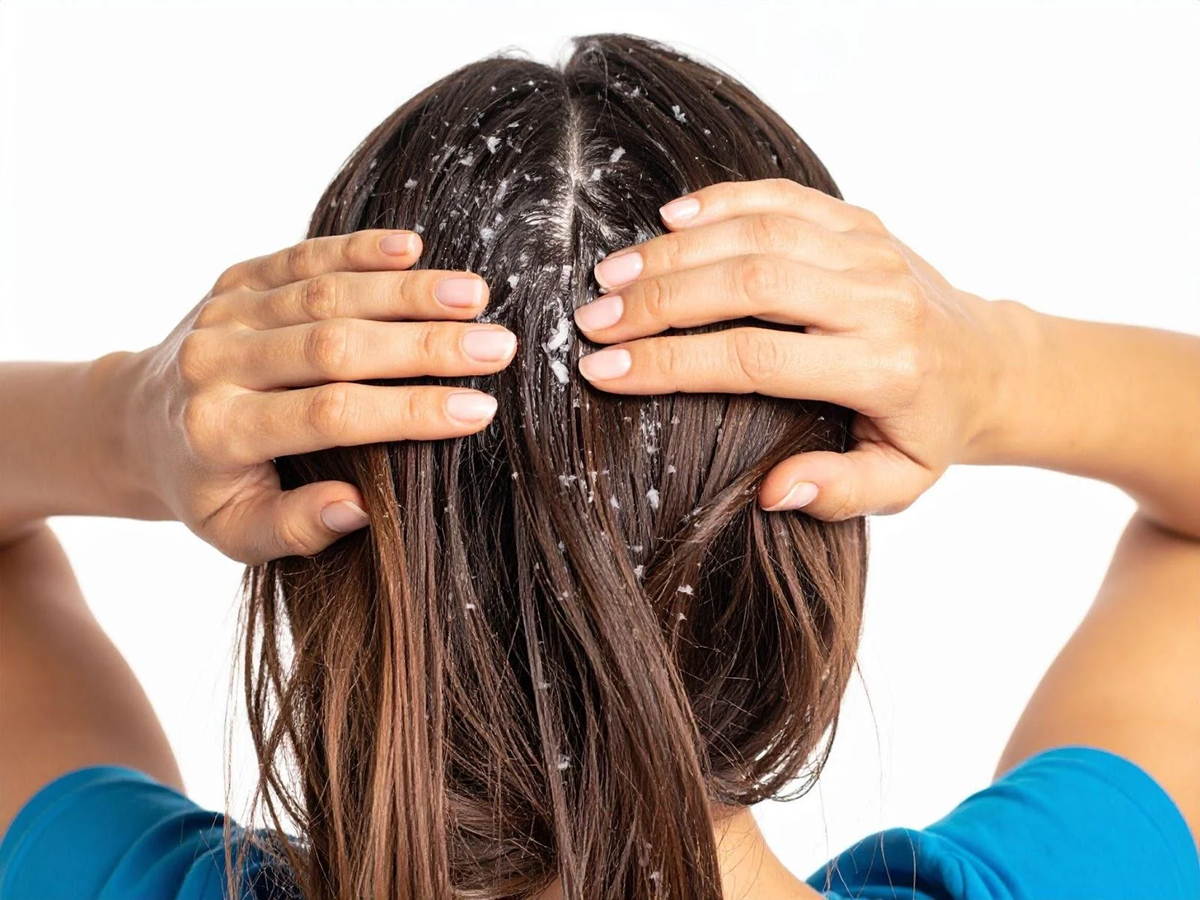
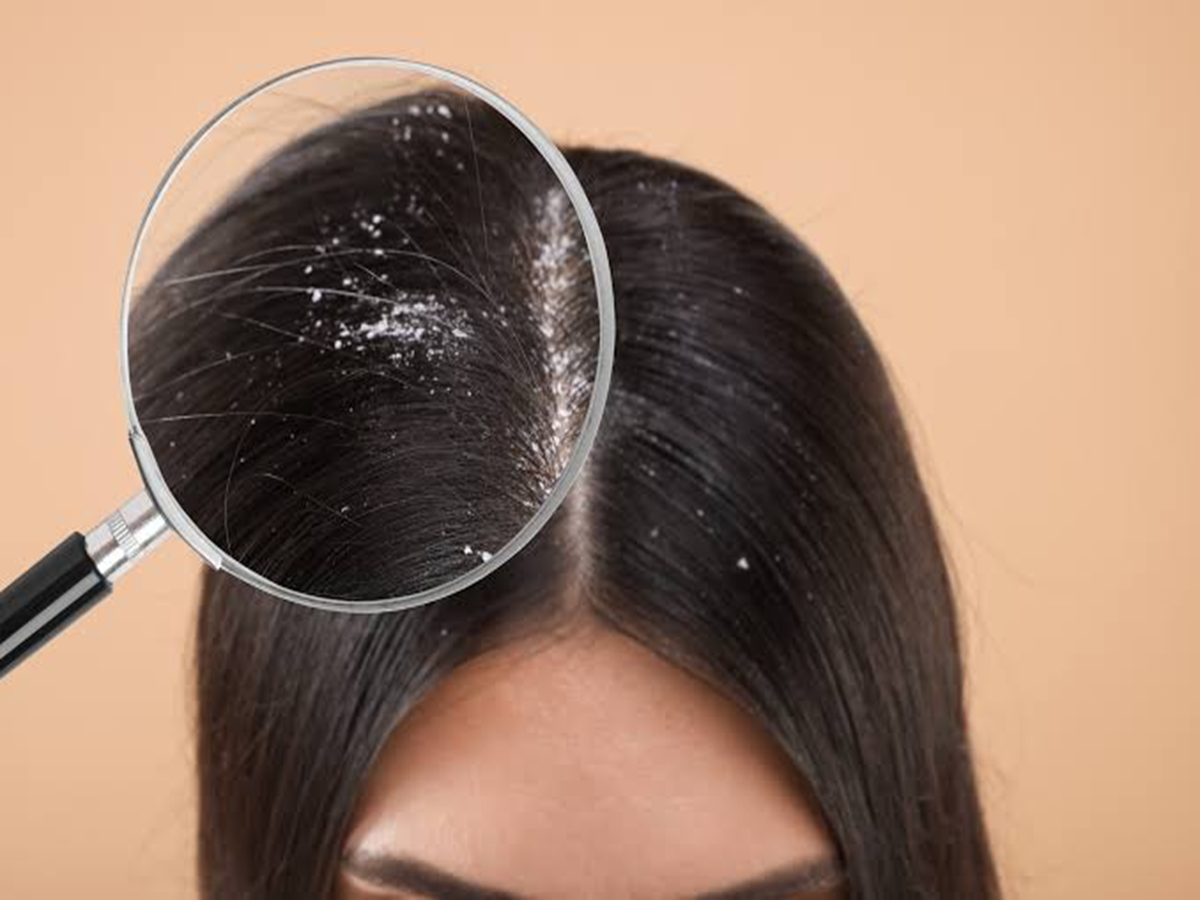
How to Remove Dandruff: As the winter season sets in, issues related to the skin, hair, and scalp often begin to increase. Cold winds and low humidity can cause the scalp to become dry, leading to problems like itching, white flakes, and dandruff. Sometimes, the sight of white flakes falling onto one’s shoulders can be embarrassing—a problem that becomes especially noticeable when wearing black or dark-colored clothing.
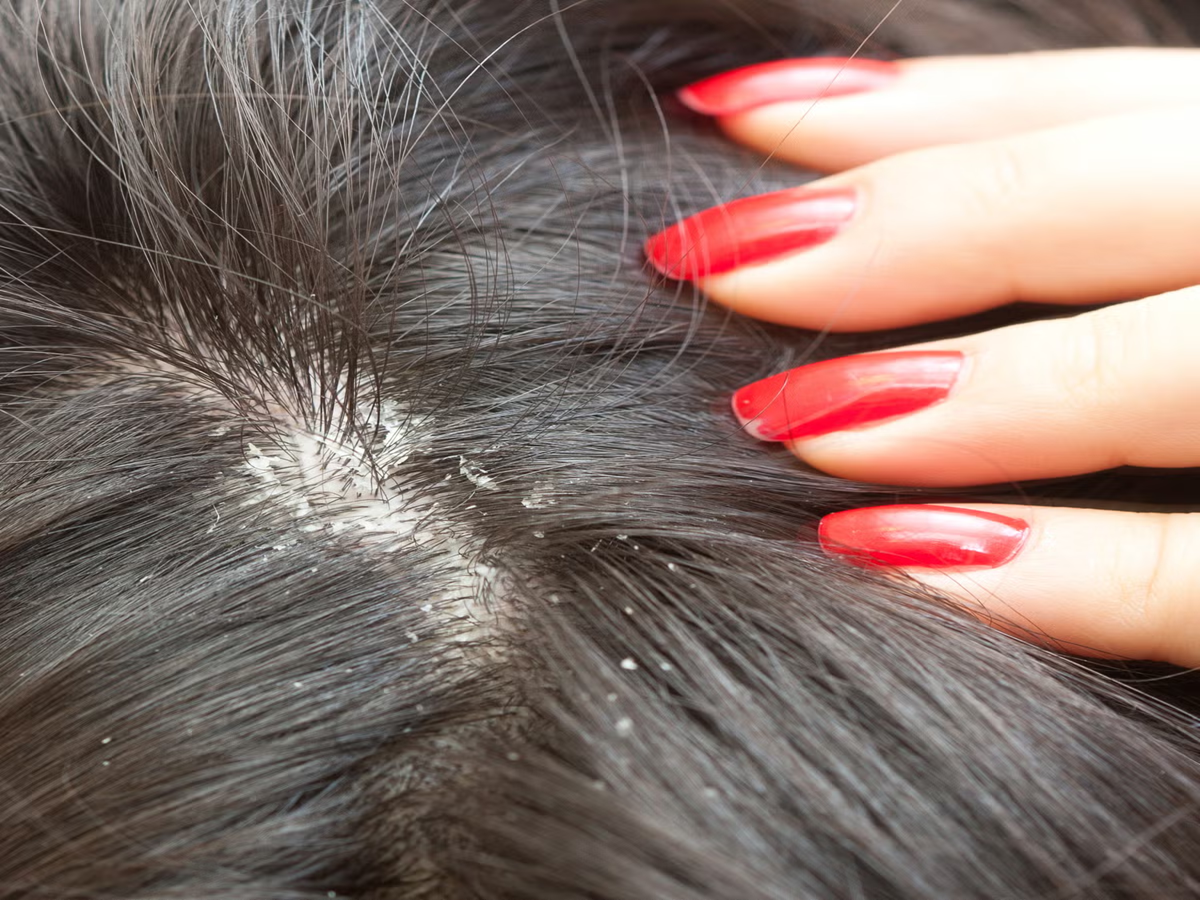
In reality, factors such as inadequate hair care during winter, washing your hair with excessively hot water, or using a shampoo that isn't suited to your specific scalp type can exacerbate dryness and itching. It is also important to note that not every white flake on the scalp is dandruff; sometimes, it may simply be a case of a dry scalp. The underlying causes and the appropriate care methods for these two conditions can differ.
If you want to protect your hair from dandruff this winter, consider making some essential adjustments to your hair care routine now. Here are 7 simple tips to help you keep your scalp healthy and your hair looking beautiful.
7 Tips to Prevent Dandruff in Winter
Avoid washing your hair with very hot water.
While a hot shower feels pleasant during winter, excessively hot water can strip away the scalp's natural moisture, leaving it dry and itchy. Therefore, use lukewarm water instead when washing your hair.
Choose the right shampoo.
Every individual’s scalp has unique needs. If you are struggling with dandruff, consult a doctor or dermatologist to select an appropriate anti-dandruff shampoo. Some anti-dandruff shampoos contain active ingredients such as ketoconazole, salicylic acid, or selenium sulfide.
Avoid applying excessive oil to your hair.
Many people apply large amounts of oil to their scalp to get rid of dandruff. However, oil is not beneficial for all types of dandruff; in some cases, applying too much oil can actually worsen scalp issues. Therefore, use oil only after understanding the specific condition of your scalp.
Wash your hair regularly.
During winter, many people avoid washing their hair for long periods due to the cold. This can lead to the accumulation of oil, sweat, and dirt on the scalp. Wash your hair regularly with shampoo, choosing products suitable for your hair and scalp type.
Avoid tying up wet hair.
Refrain from tying your hair tightly while it is wet or leaving it damp for extended periods. Instead of rubbing your hair vigorously with a towel, dry it gently. This helps reduce hair breakage and tangling.
Pay attention to your diet and water intake.
A balanced diet is essential for healthy hair. Include lentils, green vegetables, fruits, nuts, and sufficient protein in your meals. Even if you don't feel as thirsty during the winter, ensure you drink enough water.
Manage stress and keep your scalp clean.
For some, stress can exacerbate dandruff. Ensure you get adequate sleep and engage in regular exercise or yoga. Additionally, keep your combs, hairbrushes, and hats clean.
When should you see a doctor?
If dandruff persists for four weeks despite regular care and the use of anti-dandruff shampoos—or if you experience severe itching, redness, swelling, or pain on your scalp—consult a dermatologist. Sometimes, these issues may be caused by conditions such as eczema, psoriasis, or seborrheic dermatitis.
Avoid tying your hair tightly while it is wet or leaving it damp for long periods. Instead of rubbing your hair vigorously with a towel, dry it gently. This can help reduce hair breakage and tangling.
Pay attention to your diet and water intake.
A balanced diet is essential for healthy hair. Include lentils, green vegetables, fruits, nuts, and sufficient protein in your diet. Even if you don't feel as thirsty during the winter, remember to drink plenty of water.
Reduce stress and keep your scalp clean.
For some people, stress can worsen dandruff. Therefore, ensure you get enough sleep and engage in regular exercise or yoga. Additionally, keep your combs, hairbrushes, and hats clean.
When should you see a doctor?
If dandruff does not decrease after four weeks, despite regular care and the use of anti-dandruff shampoos—or if you experience severe itching, redness, swelling, or pain on your scalp—consult a dermatologist. Sometimes, this issue can be caused by conditions such as eczema, psoriasis, or seborrheic dermatitis.
A balanced diet is essential for healthy hair. Include lentils, green vegetables, fruits, nuts, and sufficient protein in your diet. Even if you don't feel as thirsty during the winter, remember to drink plenty of water.
Reduce stress and keep your scalp clean
For some people, stress can worsen dandruff. Therefore, ensure you get enough sleep and engage in regular exercise or yoga. Additionally, keep your combs, hairbrushes, and hats clean.
When should you see a doctor?
If dandruff does not decrease after four weeks, despite regular care and the use of anti-dandruff shampoos—or if you experience severe itching, redness, swelling, or pain on your scalp—consult a dermatologist. Sometimes, this issue can be caused by conditions such as eczema, psoriasis, or seborrheic dermatitis. If dandruff does not decrease after four weeks, despite regular care and the use of anti-dandruff shampoo—or if you experience severe itching, redness, swelling, or pain on your scalp—consult a dermatologist. Sometimes, this issue can be caused by conditions such as eczema, psoriasis, or seborrheic der
PC Social Media