FASHION
Treating Cracked Heels: Are your heels starting to crack in winter? Do this before going to bed at night..
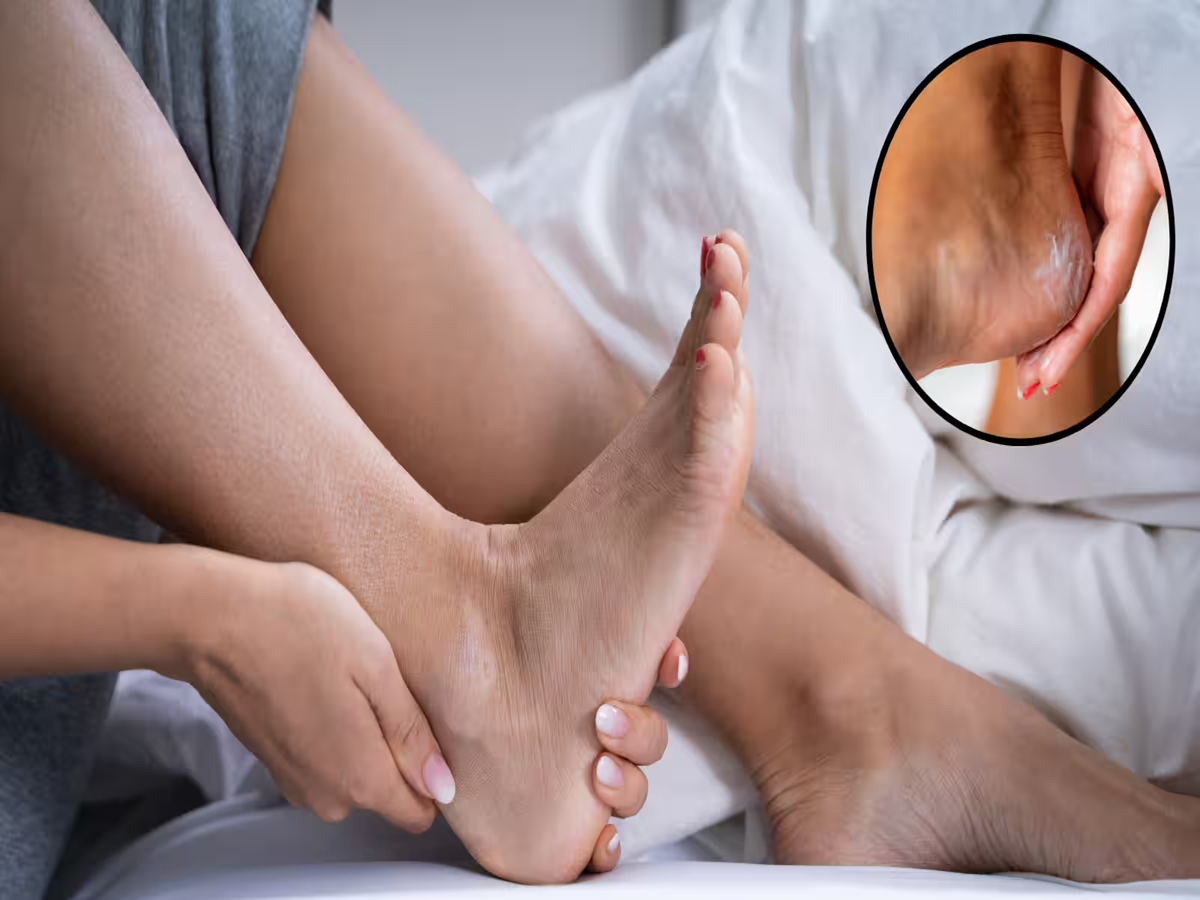
Treatment for Cracked Heels: With the onset of winter, various skin-related issues tend to increase. Along with the skin on the face and hands, the skin on the feet also becomes dry and lifeless. Cracked heels, in particular, are a common problem that affects many people. Sometimes, the skin on the heels becomes so hard and dry that deep cracks begin to form. While it may seem like a minor issue initially, neglecting it can lead to pain, a burning sensation, and even bleeding.
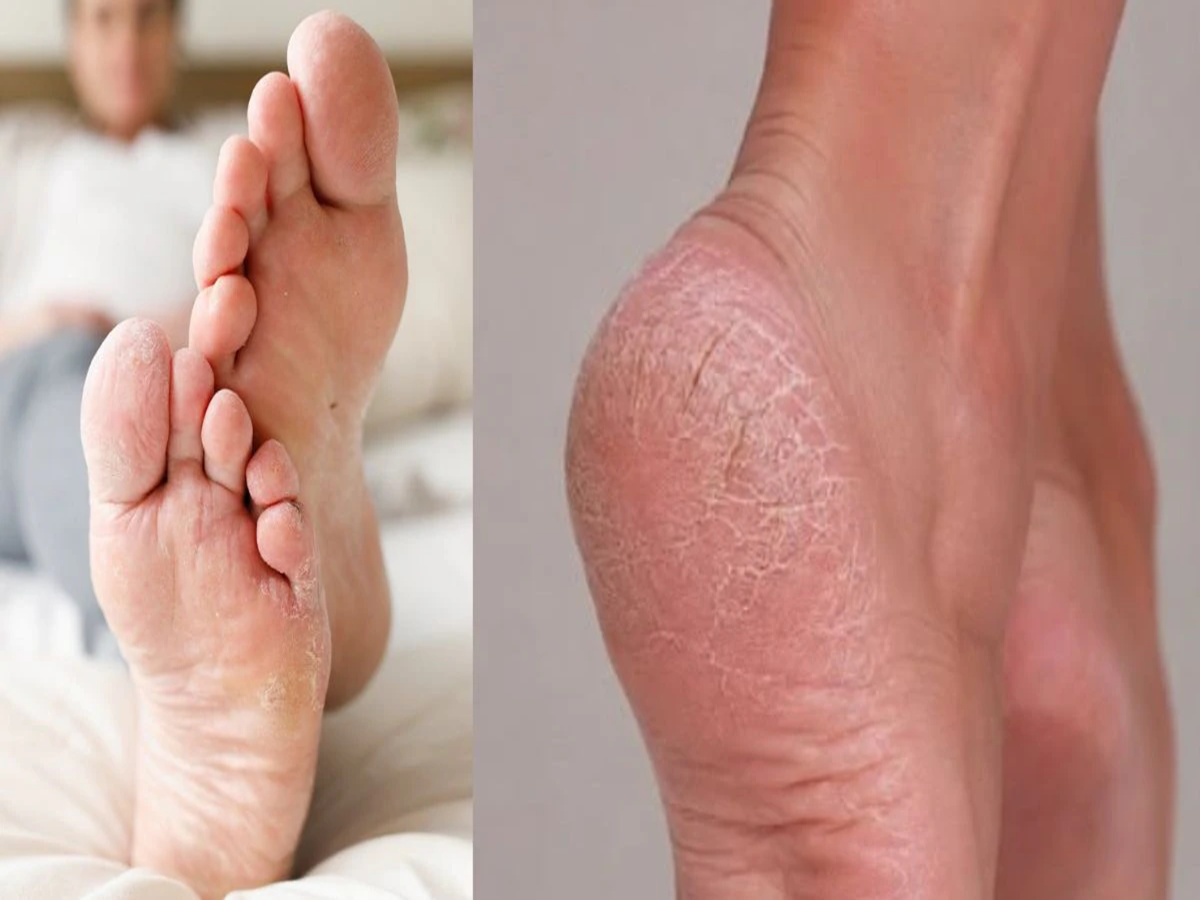
In winter, the low humidity in the air causes the skin to lose its natural moisture. Additionally, factors such as bathing in hot water for long periods, inadequate foot care, walking barefoot, and wearing improper footwear can contribute to cracked heels. Therefore, focusing solely on facial skincare is not enough; your feet also require special attention.
If you are struggling with cracked heels during the winter, you can incorporate a few simple foot-care tips into your daily routine. Using the right moisturizer, keeping your feet clean, and following a regular nighttime care regimen can help soften dry skin. Here are 5 easy ways to take care of your heels during the winter.
Apply Petroleum Jelly at Night
Petroleum jelly is an effective and simple remedy for cracked heels. Before going to bed, wash your feet with lukewarm water and pat them dry with a towel. Then, apply petroleum jelly to your heels and wear cotton socks while you sleep. This helps lock in moisture.
Use a Foot Cream Containing Urea
If the skin on your heels has become extremely dry and hard, a moisturizing cream containing urea can be very helpful. According to dermatologists, creams containing 10 to 25 percent urea can help soften dry and thick skin. Apply such creams to slightly damp skin after a bath. If you experience irritation on cracked or sensitive skin, stop using the product and consult a doctor.
Cleanse your feet using lukewarm water.
Avoid using very hot water to clean your feet during winter; use lukewarm water instead. Do not soak your feet for long periods, as this can cause the skin to become even drier. After cleaning, dry your feet thoroughly and apply a moisturizer.
Use a pumice stone with caution.
A pumice stone can be used gently to remove the hard, dead skin that accumulates on the heels. Rub it lightly over the skin without applying excessive pressure. Do not use a pumice stone if your heels have deep cracks, are bleeding, or are painful. Never attempt to cut away hard skin using a blade or scissors.
Wearing the right footwear is also essential.
To keep your feet protected during winter, it is important to wear appropriate footwear. Choose shoes that provide good support for your heels. Avoid wearing very loose slippers or sandals that are open at the back. Even while at home, wear comfortable slippers instead of walking barefoot.
When should you consult a doctor?
Consult a doctor if your heels have deep cracks, are bleeding, or show signs of swelling, redness, or pus. Individuals with diabetes should exercise extra caution regarding cracked heels and must not attempt to remove the hard skin themselves.
PC Social Media