LIFESTYLE
Health Alert: 'Silent diabetes' is even more dangerous than diabetes; it affects nearly 50% of people worldwide..

Diabetes is one of the rapidly growing, serious global health issues, posing a risk to people of all ages. According to the International Diabetes Federation (IDF), approximately one in every nine adults worldwide—about 589 million people aged 20–79—is affected by diabetes. If left uncontrolled, this condition—characterized by consistently high blood sugar—can, over time, lead to severe complications affecting the eyes, nerves, kidneys, and various other vital organs. However, the concerns surrounding diabetes do not end there.
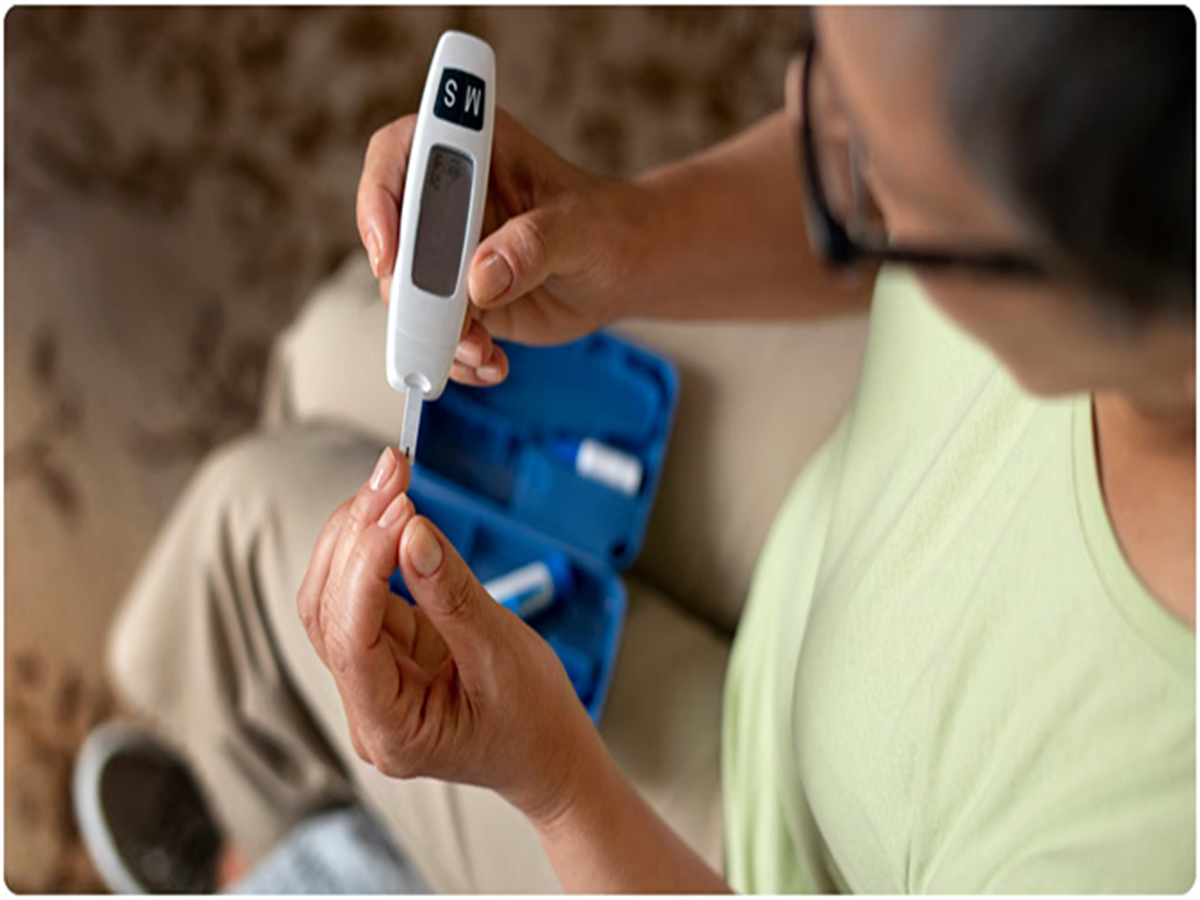
Medical reports indicate that while diabetes itself is dangerous, an even more concerning situation arises when individuals have the condition without being aware of it. This is known as "silent diabetes." A large number of people remain unaware that they have the disease, not realizing that their blood sugar levels have exceeded the normal range.
Having diabetes without experiencing any symptoms can further exacerbate your health risks.
Given the growing threat of diabetes, World Diabetes Day is observed annually on November 14th. The theme for World Diabetes Day for 2026–27 is "Early Action on Diabetes." Its primary objective is to identify the disease in its early stages and mitigate associated risks.
The Danger of Silent Diabetes
According to the IDF, it is estimated that more than 580–590 million people of all ages worldwide are living with diabetes. By 2050, the global number of adults with diabetes is projected to rise to 853 million—an increase of 46%. Globally, nearly half of those living with diabetes are unaware that they have the condition.
In fact, the early symptoms of diabetes are often so subtle that people frequently overlook them, attributing them instead to fatigue, general weakness, or the natural effects of aging. Such negligence can, over time, increase the risk of serious health issues, including kidney disease, heart attacks, strokes, and vision impairment.
Furthermore, for many people, diabetes is only discovered when complications begin to manifest in the body.
Why is it dangerous for diabetes to go undetected?
In diabetes, the body either fails to produce enough insulin or cannot use it effectively. This causes glucose levels in the blood to rise. If blood sugar remains uncontrolled for a long period, it damages blood vessels and nerves.
This affects various organs in the body, increasing the risk of heart attacks, strokes, kidney failure, vision loss, and nerve-related issues in the feet.
In some cases, wounds on the feet can lead to infections, resulting in severe, life-threatening situations.
The World Health Organization (WHO) identifies diabetes as a major risk factor for blindness, kidney failure, and cardiovascular diseases.
When the condition remains undiagnosed and untreated, blood sugar levels go unchecked, causing progressive, serious damage to vital internal organs.
What are the potential risks?
Health experts note that, in the early stages of diabetes, clear symptoms may not always be apparent. Individuals with a family history of diabetes—such as parents or siblings—as well as those who are overweight or carry excess abdominal fat, should remain vigilant about the risks. As a precautionary measure, everyone should be mindful of their personal risk factors and avoid ignoring the following warning signs:
Frequent urination and intense thirst.
Unexplained weight loss.
Frequent hunger and persistent fatigue.
Blurred vision.
Slow-healing wounds and recurring infections.
Health experts advise that if you have risk factors for diabetes, you should consult a doctor regularly for check-ups. Depending on your family history and other risk factors, health experts may recommend certain tests. Tests such as fasting blood sugar and HbA1c can help assess the risk of diabetes.
PC Social Media