LIFESTYLE
Protein is not just for building muscle; it is also essential for these vital bodily functions..

Maintaining a proper diet is considered the most essential factor in keeping the body healthy and fit. This is why health experts advise consuming foods and drinks that provide the body with the nutrients it needs. The food we eat must contain all the essential nutrients. Protein is one such vital nutrient that the body requires on a daily basis.
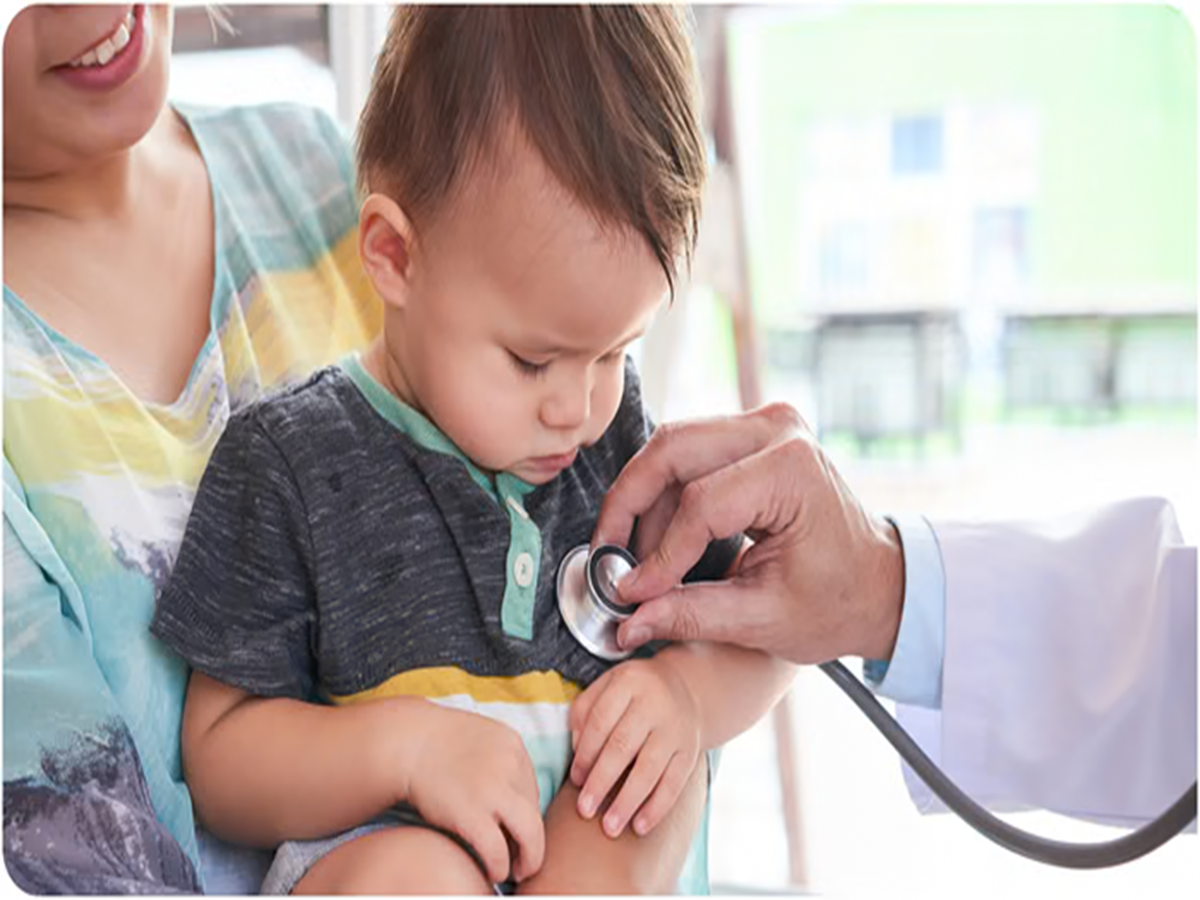
Beyond strengthening muscles, protein plays a key role in the formation of skin, hair, enzymes, and hormones. It is also necessary for repairing the body's cells and tissues. A deficiency can lead to muscle weakness, fatigue, and a compromised immune system. In children, a prolonged lack of protein can hinder physical development. Furthermore, a protein deficiency increases the risk of various health conditions.
Let’s explore how much protein is required daily and the potential health consequences of a deficiency.
Why is protein important?
According to health experts, healthy adults should consume approximately 0.8 grams of protein per kilogram of body weight daily. For instance, a person weighing 75 kilograms would require about 60 grams of protein per day. However, individual requirements may vary based on age, physical activity levels, and overall health status.
A severe, long-term protein deficiency can lead to muscle weakness and may also affect other parts of the body.
How does it affect children?
Protein is especially critical during the growth phase in children. It supports the development of muscles, bones, and new tissues. A prolonged lack of adequate protein can impair a child's growth in terms of both weight and height.
A severe protein deficiency can negatively impact a child's overall development.
Often, a lack of protein is accompanied by deficiencies in other essential nutrients, which can hinder brain development and cognitive abilities—such as the capacity to learn and understand.
What is the impact on immunity? The body's immune system also requires protein to function correctly. It plays a crucial role in the production of antibodies and immune cells. A severe protein deficiency weakens the body's ability to fight infections, which can increase the risk of contracting infections and prolong the time needed to recover from them.
Be aware of these risks as well:
Protein is essential for building and repairing muscle tissue. If the body does not receive an adequate amount, it may break down muscle tissue to obtain energy and necessary amino acids. This can lead to a loss of muscle mass and strength.
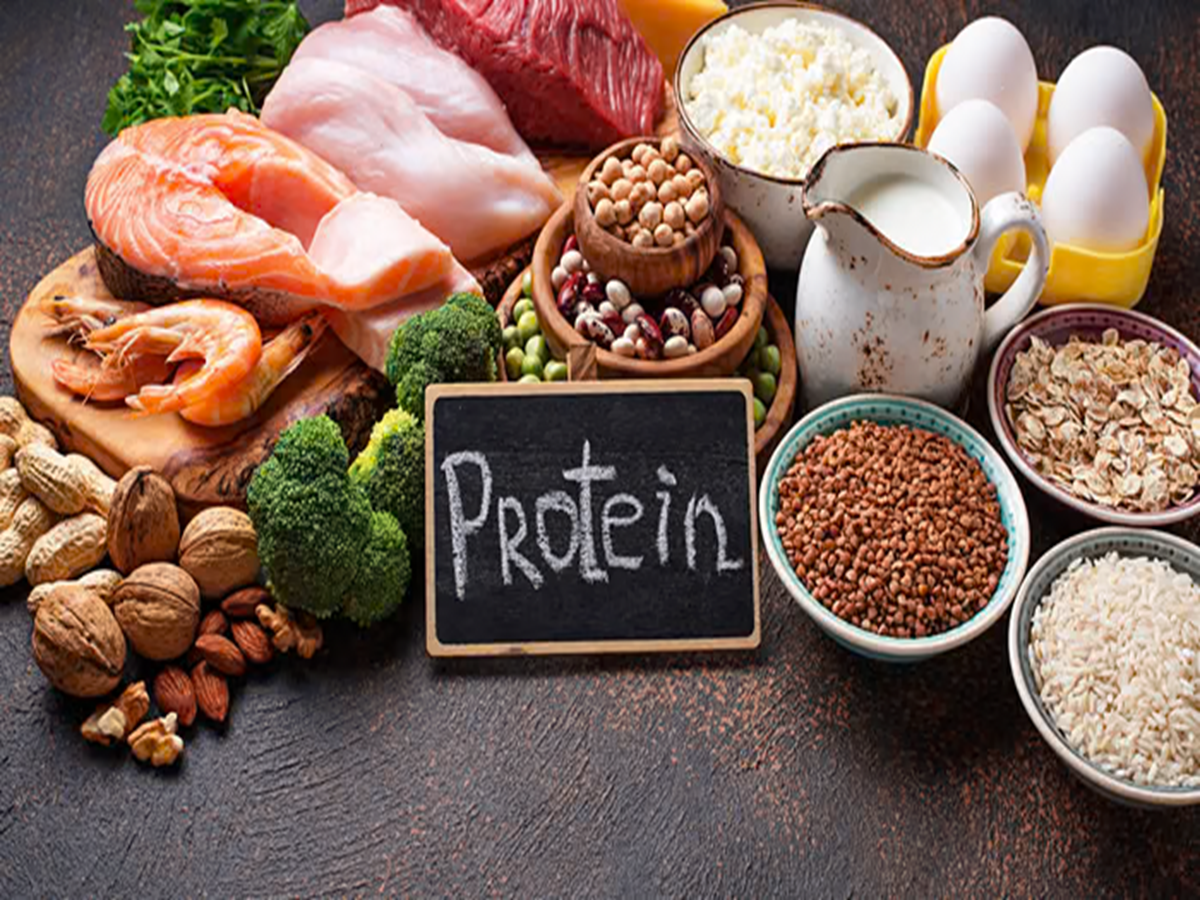
Protein is necessary for repairing body tissues and creating new cells. A severe deficiency can slow down the wound-healing process. Furthermore, the health of your skin and hair may also be affected.
PC Social Media