FASHION
If you are heading to the Chhath ghat, make sure you do not wear clothes in these colors—not even by mistake..
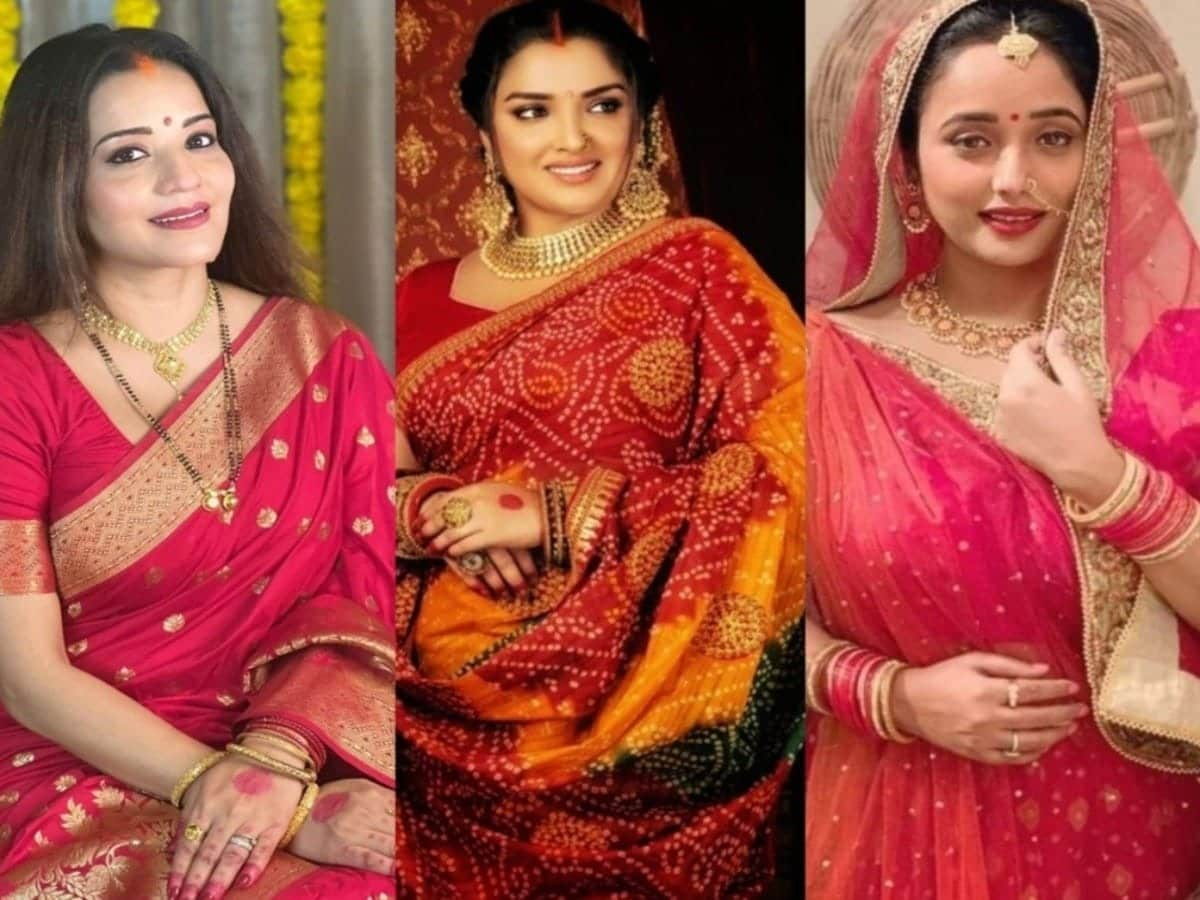
Chhath Puja 2026 Fashion: As Chhath Puja approaches, the riverbanks (ghats) come alive with a vibrant, enchanting atmosphere. You might see ghats decorated with banana leaves and flowers, rows of glowing earthen lamps (diyas), and women dressed in colorful sarees, carrying baskets of offerings (*daura*) on their heads while singing traditional folk songs. When thousands of people gather at the ghats to offer *arghya* (oblations) to the setting and rising sun, the entire environment becomes filled with deep devotion. The traditional attire of the women observing the fast adds a special grace to this beautiful scene. But did you know that there are specific beliefs regarding the colors of clothing worn during Chhath Puja? Some colors are considered highly auspicious, while others are best avoided. If you are planning to visit the ghat for Chhath Puja, here is a guide on which colors—whether for a saree or a suit—would be appropriate to wear.
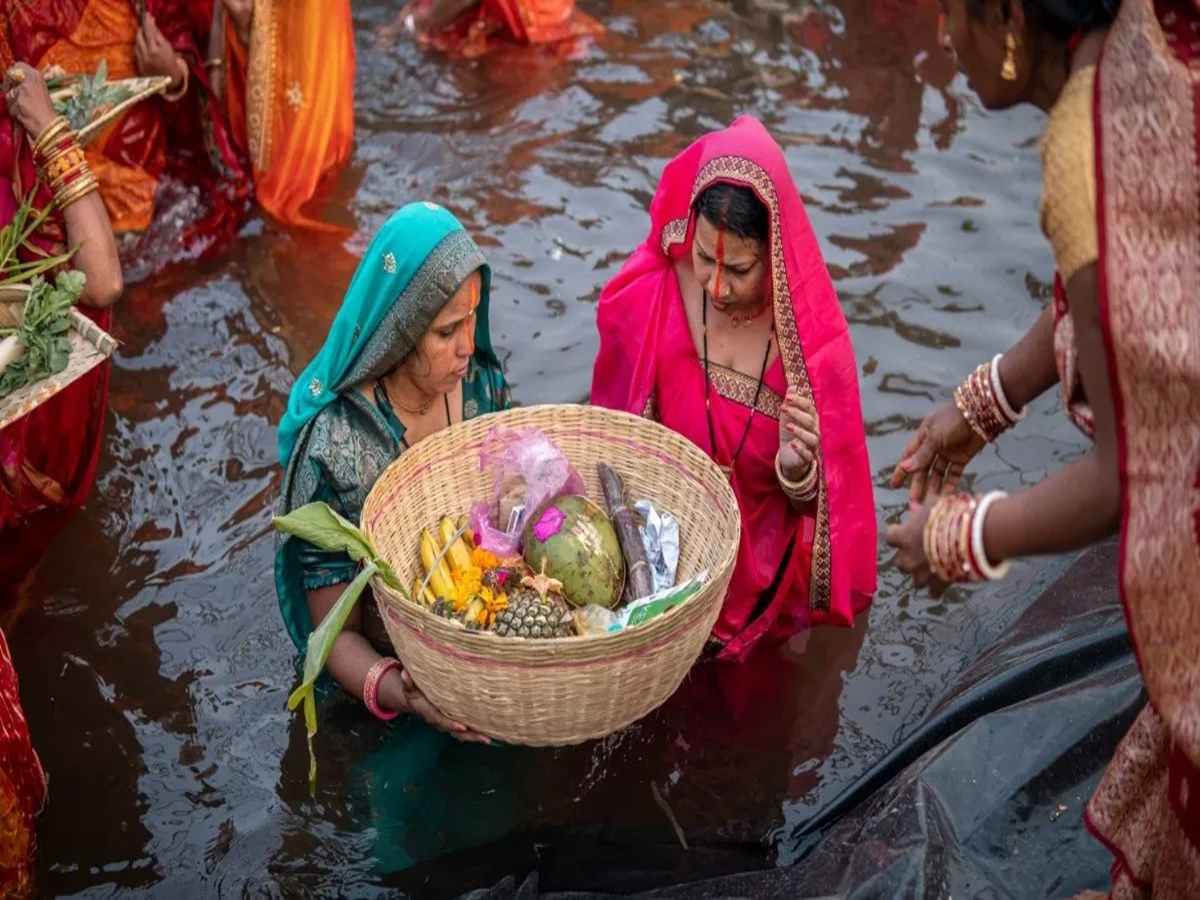
Colors considered auspicious to wear during Chhath Puja:
Yellow and Orange
Chhath Puja is a festival dedicated to the worship of the Sun God. Consequently, yellow and orange hold great significance. Both colors are associated with sunlight, energy, prosperity, and positivity. This is why wearing a yellow or orange saree is common during Chhath. If you wish to achieve a traditional look at the ghat, opting for a saree in these colors is an excellent choice.
Red and Maroon
Red and maroon sarees are particularly popular among married women. In Indian tradition, the color red is associated with marital bliss (*suhag*), good fortune, and happiness. Many women prefer to wear red or maroon sarees for Chhath Puja. A saree in these shades, especially one with a golden border, fits perfectly into the traditional, devotional atmosphere of the festival.
Pink
If you prefer not to wear red or orange, pink is also a wonderful alternative. Whether it is light pink or a deeper shade of pink, both offer a beautiful look characterized by simplicity. A light pink cotton sari, in particular, looks quite elegant when worn at the Chhath ghat during the day.
Green
Green is considered a symbol of greenery, new beginnings, and prosperity. For Chhath Puja, you may choose to wear a green sari or a suit; any shade of green is appropriate.
Colors to avoid during Chhath Puja—
It is customary to avoid wearing black, dark blue, or grey clothing during Chhath Puja—this applies especially to the women observing the fast. There are also certain traditional beliefs regarding the wearing of white clothing, particularly among married women.
Other considerations for attire during Chhath Puja—
Beyond the choice of color, the purity of the clothing holds great significance during Chhath Puja. Consequently, women observing the fast wear clean, fresh saris for the rituals. In many families, there is a tradition of wearing a new cotton or silk sari during the *arghya* (offering) ceremony. Men also participate in the rituals wearing a new *dhoti-kurta*.
Another significant element is the *sindoor* (vermilion) used during Chhath. Married women apply a long streak of *sindoor*, extending from the nose up to the parting of their hair. In many regions, an orange-hued *sindoor* is preferred for this purpose; it is associated with good fortune and the wish for a long life for one’s husband.
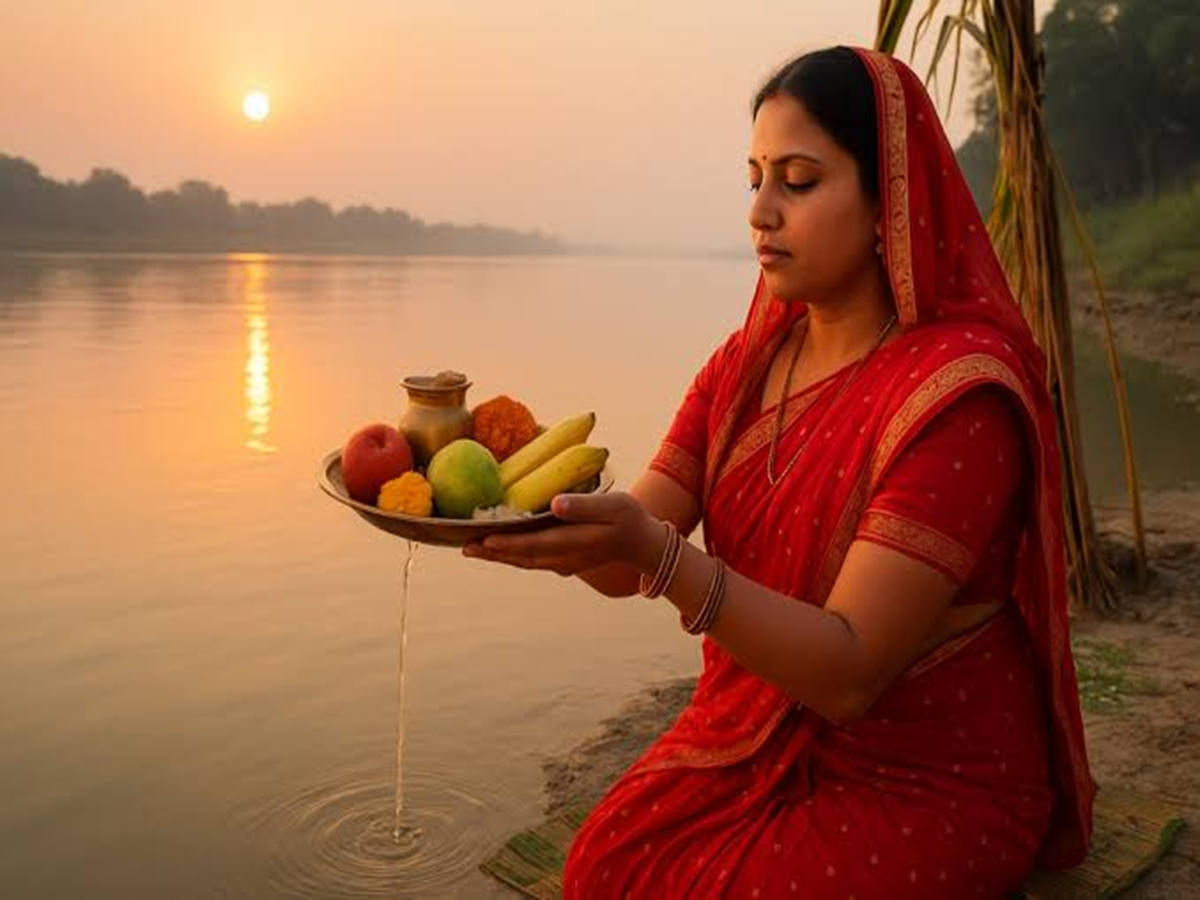
Furthermore, all clothing worn for the rituals must be thoroughly washed and clean. Given the emphasis on purity during Chhath, many families also avoid using leather items—such as belts, handbags, or other accessories—while performing the rituals.
Remember, the core of Chhath Puja lies in faith, adherence to traditions, and purity of heart. Beliefs regarding the colors of clothing may vary across different regions and families; therefore, please make your choices in accordance with the specific traditions followed in your own household.
PC Social Media