How to Buy a Kanjivaram Saree: Hailing from Kanchipuram in Tamil Nadu, these sarees are not merely six yards of fabric; rather, they represent a legacy—woven from pure silk and threads of gold and silver (Zari)—that endures for generations. Whether it is a wedding, a major festival, or simply a desire to add something truly extraordinary to your wardrobe, the demand for Kanjivaram sarees remains evergreen. However, with so many counterfeit varieties flooding the market today, making the right choice can be a bit challenging for first-time buyers. If you are planning to purchase your very first Kanjivaram saree, here are 5 key points you should never overlook:
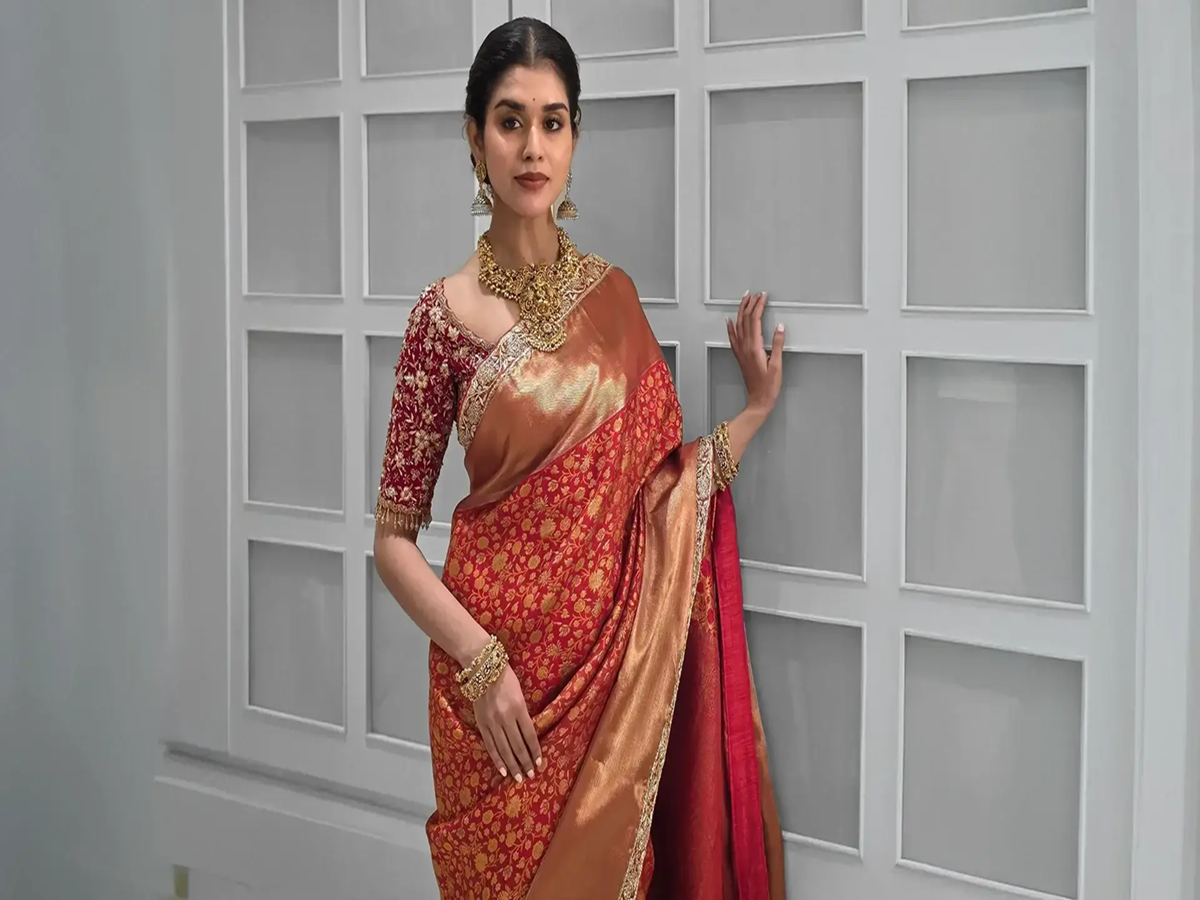
1. Understand the Kanjivaram Legacy
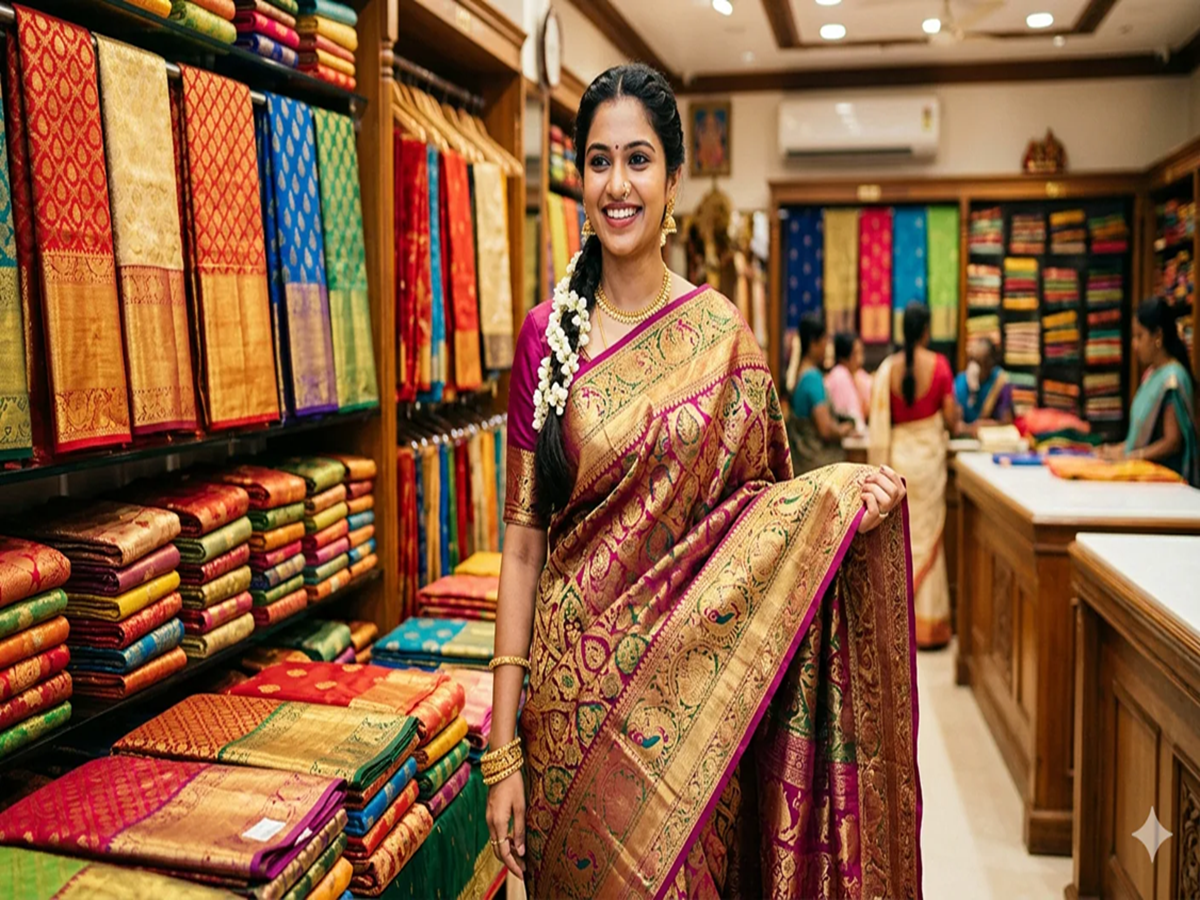
Before you begin shopping, it is essential to understand what distinguishes an authentic Kanjivaram saree. These sarees are hand-woven using pure Mulberry silk. Their most distinctive feature is that the border and the *pallu* (the decorative end-piece) often feature a different color and design from the main body of the saree; these sections are subsequently joined together with exceptional strength. This technique is known as the ‘Korvai’ weave.
2. Choose the Right Color
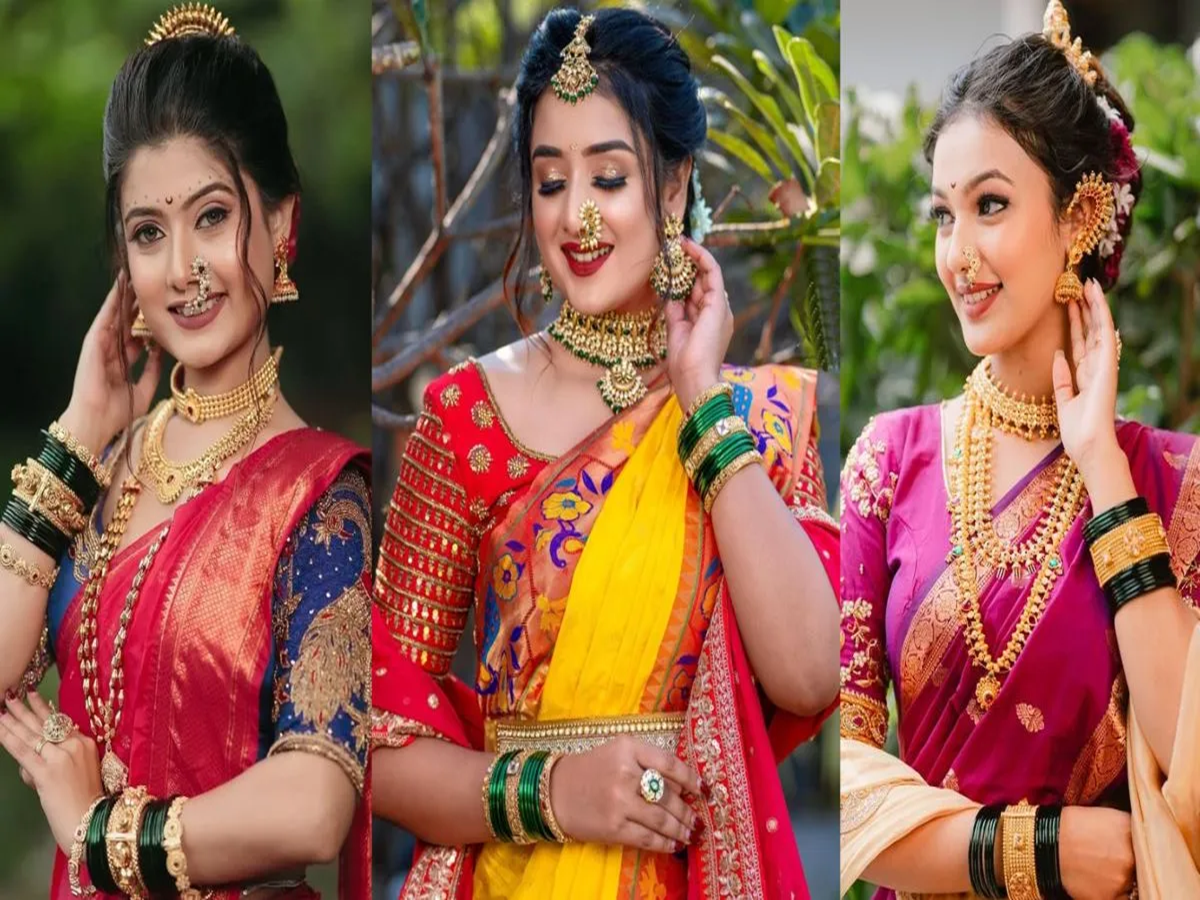
In Indian tradition, colors hold a unique significance and carry deep cultural and religious associations. The sheer brilliance of colors in Kanjivaram sarees is a sight to behold. If you are purchasing the saree for a wedding or a grand formal occasion, opt for bold, traditional hues such as red, maroon, royal blue, or emerald green—colors against which heavy Zari work truly stands out. Conversely, if you are buying it for a festival or a daytime event, pastel shades, turmeric yellow, or softer colors will lend a modern yet elegant look.
3. Saree Weight and Your Comfort
We often tend to assume that the heavier a saree is, the more magnificent it will look. However, for those wearing a Kanjivaram saree for the first time, managing (or draping) a very heavy garment for an extended period can prove to be somewhat challenging. Nowadays, 'lightweight' Kanjeevarams are also available in the market; while they look just as regal, they are incredibly comfortable to wear. Visit a store, try on two or three sarees, and determine which weight feels most comfortable for you.
4. Weaves and Traditional Motifs (Weaves and Patterns)
The true beauty of Kanjeevaram sarees lies in their intricate patterns. Traditional sarees feature designs such as temple motifs (Temple Borders), checks, coins, peacocks, and paisleys. Each design tells a unique story of its own. Note that the *zari* (gold thread work) on an authentic saree will always feel smooth and lustrous to the touch—never rough or prickly.
5. Identifying the Authentic from the Fake (How to Identify Pure Silk)
Since you are about to make a significant investment, verifying the purity of the saree is absolutely essential. Always make your purchase from a 'Silk Mark' certified store. The *zari* in an authentic Kanjeevaram consists of silver threads plated with gold. If you gently fold back a small section of the saree's border, the base of the genuine *zari* will appear slightly reddish or rosy due to the underlying silk threads, whereas imitation *zari* will appear white or grey.
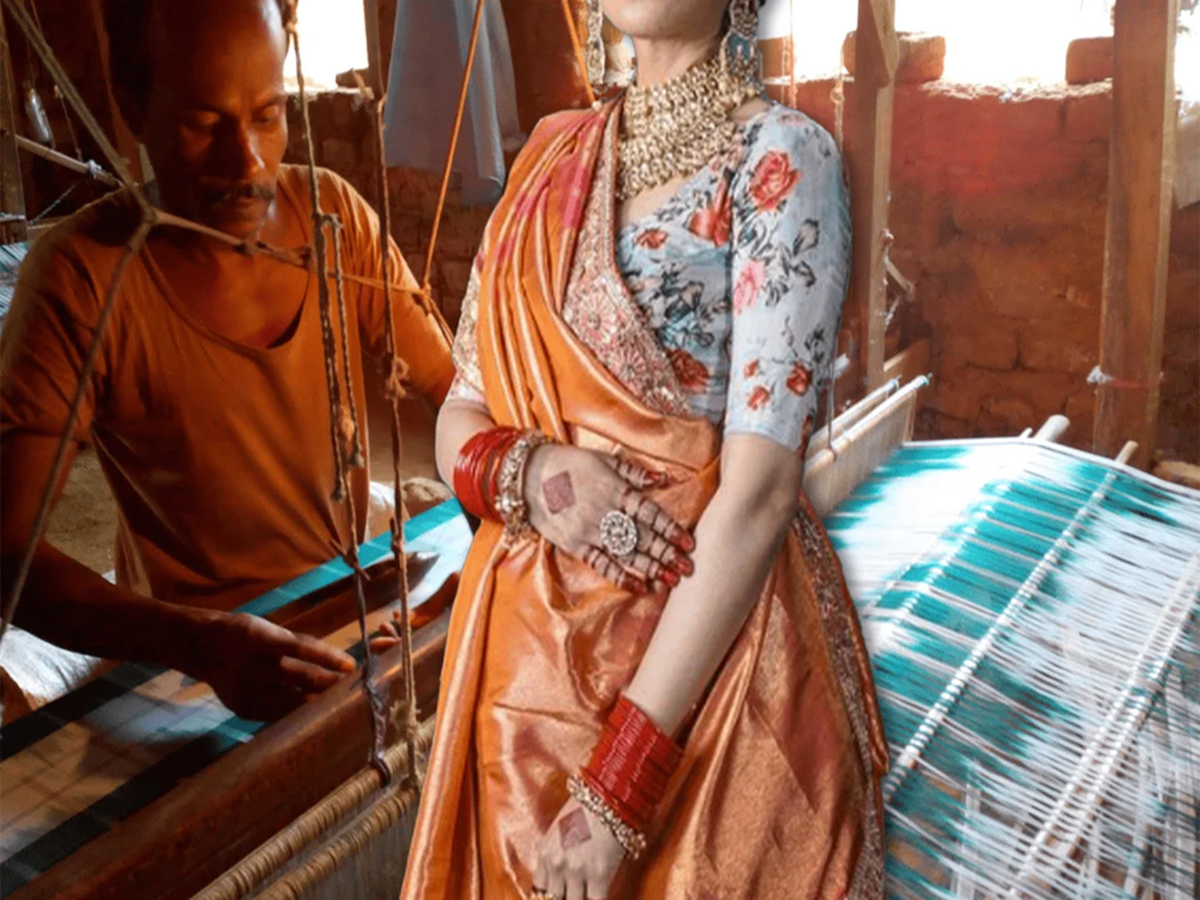
Buying your first Kanjeevaram saree is akin to investing—one that will remain a cherished memory with you forever. Therefore, do not rush; keep these tips in mind and select a masterpiece for your wardrobe that will look just as fresh and beautiful in the years to come.
PC Social Media