LIFESTYLE
Pankaj Bhadouria: If You Recognize These 4 Signs, the Risk of Breast Cancer Can Be Averted—MasterChef India Winner Fell Victim.
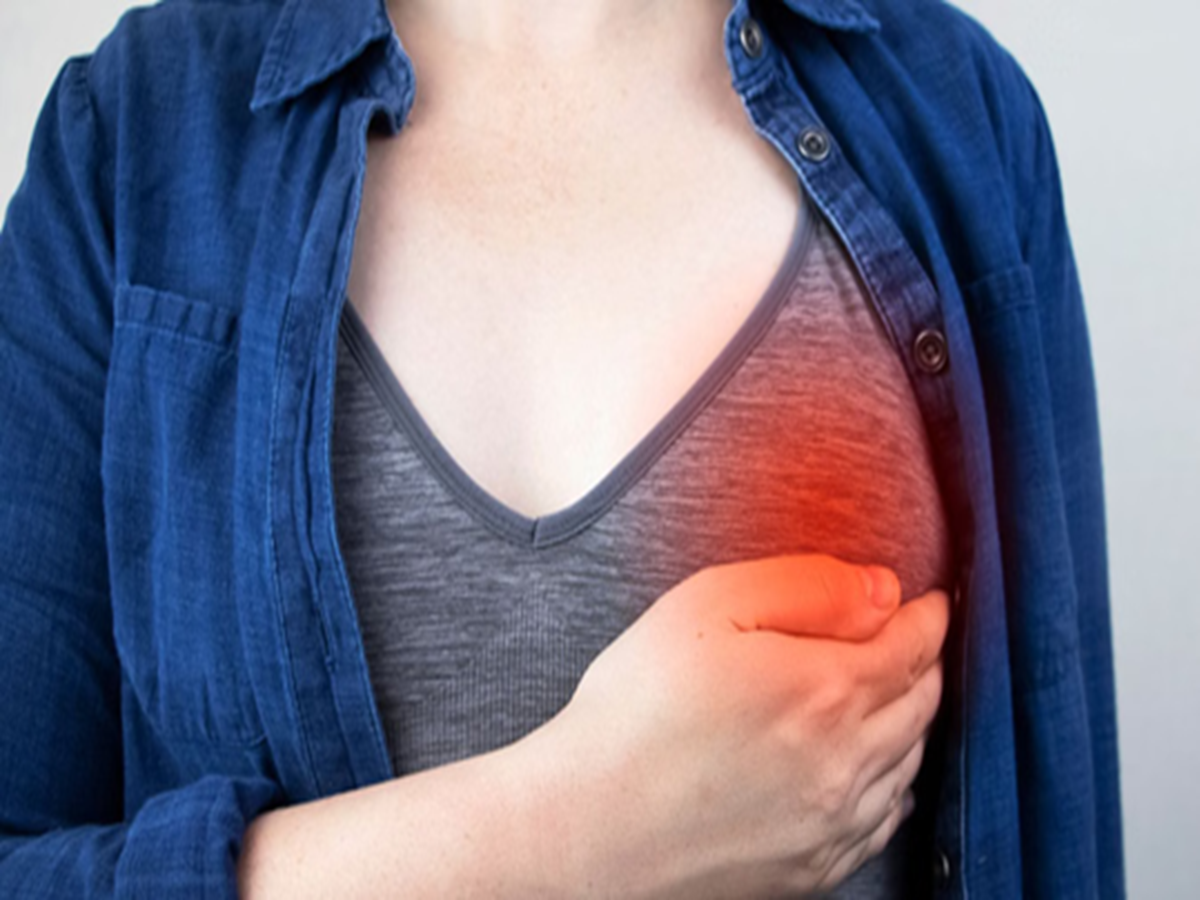
Cancer continues to pose a serious global threat to public health. This disease claims the lives of millions of people every year. In recent years, there has been a rapid rise in cases of lung and oral cancers among men, while breast and cervical cancers have seen a sharp increase among women. While cancer was previously considered a disease associated with aging, cases are now being increasingly reported even among women as young as 30. Recently, Pankaj Bhadouria—the winner of *MasterChef India* Season 1—shared the news that she has been diagnosed with breast cancer.

In India, too, breast cancer is emerging as a major health threat. In 2025 alone, the disease claimed the lives of over 100,000 people. This ailment is now rapidly affecting younger women. For this reason, health experts are urging all women to undergo regular check-ups starting from a young age and to pay serious attention to any potential symptoms.
If cancer symptoms are detected in their early stages, not only does treatment become easier, but the chances of survival also increase significantly.
**Breast Cancer on the Rise in India**
Statistics indicate that breast cancer is the most common form of cancer reported among women worldwide. In India as well, hundreds of thousands of new cases are diagnosed every year.
Experts believe that if the disease is identified in its early stages, the likelihood of successful treatment increases substantially.
The problem, however, is that most women do not undergo screening until they experience pain or notice a significant physical change.
It is frequently observed that early-stage breast cancer symptoms do not necessarily involve pain.
It is therefore crucial to regularly check for other potential symptoms of cancer. You can easily perform a self-examination for breast cancer right at home.
**Is There a Lump in the Breast?**
The presence of a lump in the breast is considered the most common and early symptom of breast cancer. However, not every lump is cancerous. According to doctors, a cancerous lump is often hard or firm to the touch. In many instances, it is also painless. This is precisely why women often dismiss such lumps as normal if they do not cause any pain. At times, it may be very small in size.
It can be detected by performing a self-examination in front of a mirror.
If a lump persists, increases in size, or is accompanied by changes in the skin, an immediate mammogram or medical examination becomes necessary.
**Are there any changes in the breast skin?**
Apart from a lump within the breast, signs of the condition often manifest on the skin as well. Dimpling, puckering, or redness of the breast skin can be early warning signs.
Cancer cells begin to affect the skin and the surrounding tissues.
Initially, these symptoms may resemble an allergy or an infection; however, if these changes persist, they should be taken seriously.
If the skin of the breast suddenly begins to look different, changes color, or feels taut, you should consult a doctor immediately.
**Is there any discharge from the nipple?**
During a breast examination, if you notice any abnormal discharge, you should be alert.
If blood, a yellow fluid, or a fluid of any other color begins to leak from the nipple without any applied pressure, it could be a sign of cancer.
However, not every instance of discharge indicates cancer. Often, this can occur due to hormonal fluctuations, infections, or other causes.
When accompanied by other symptoms of breast cancer—such as a lump or skin changes—nipple discharge may be a cause for serious concern.
**Is the shape of the breast changing?**
If one breast suddenly appears larger, heavier, or differently shaped compared to the other, it could also be a sign of breast cancer.
The growth of cancerous tissue causes the shape of the breast to change; however, because these changes often occur gradually, women may initially perceive them as normal.
Women may notice that their clothes no longer fit properly, their bra feels tight, or they experience increased swelling on one side.
While these changes can sometimes be attributed to hormonal factors, if they persist over a prolonged period, a medical examination becomes essential.
PC Social Media