Parenting
Parenting Tips: What are the reasons behind a child's stubbornness and anger? Are parents making these mistakes?

When children get angry, people either ignore their behavior or assume that the child is in bad company or is becoming spoiled. However, anger can also be a sign that they want to say something but can't find the words. In today's busy lifestyle, with excessive screen time and a culture of constant comparison, children's tantrums have increased. When a child is scolded, they may become quiet, but their mind starts racing with thoughts. These thoughts fuel their irritability and anger.
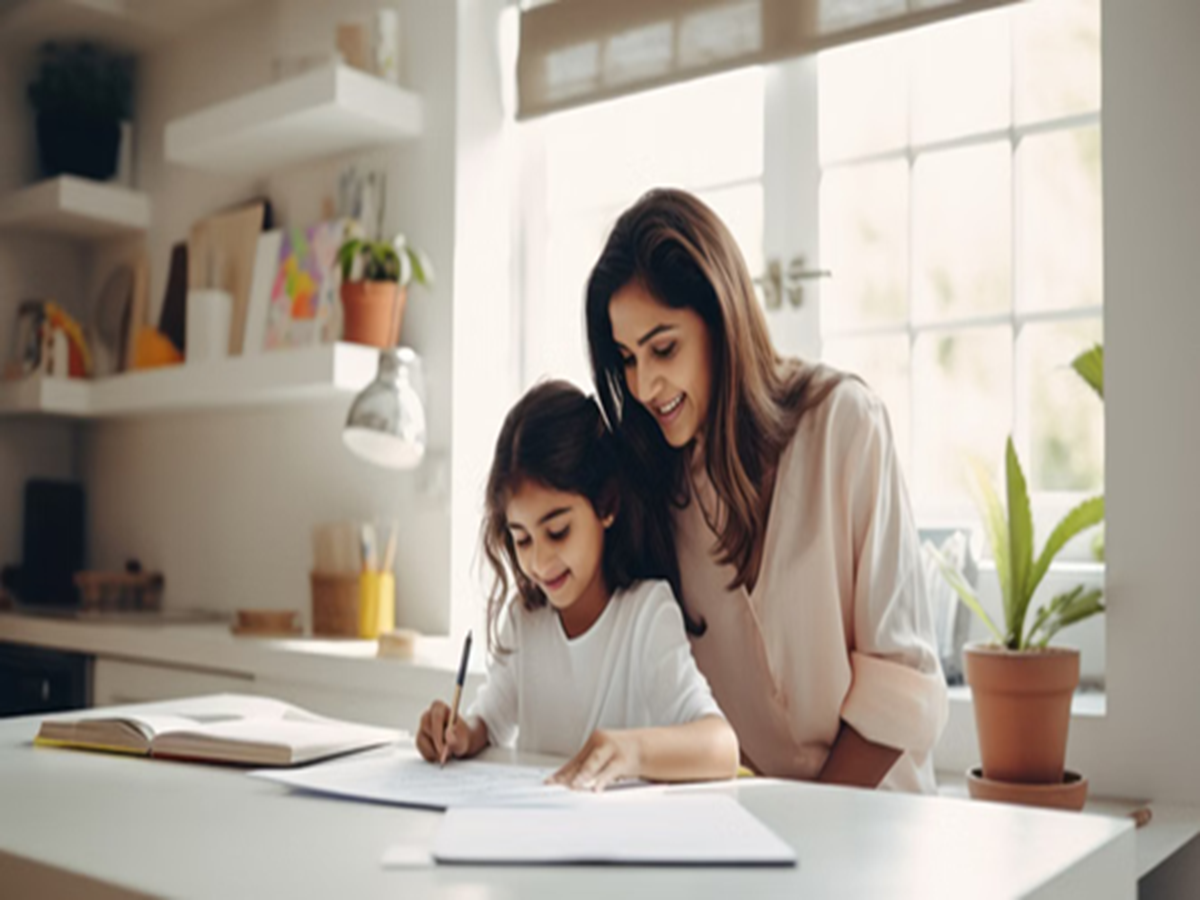
Scolding might silence children, but it doesn't calm or satisfy them. Children respond to understanding. If crying, tantrums, shouting, or throwing things have become a daily drama for your child, you need to make some changes in your parenting. By adopting smart strategies, you can reduce your child's anger and tantrums.
Why do children get angry?
When emotions become overwhelming
Fatigue, hunger, or lack of sleep
Excessive screen time
Comparison or constant criticism
Parents' anger and impatience
Remember, children, learn what they see.
10 Smart Hacks to Manage Children's Anger
Don't scold when angry; create distance.
Trying to reason with a child when they are angry is pointless. Scolding them will only intensify their rebellious feelings. So, let them calm down first, then talk.
Teach them to name their emotions.
Tell your child, "It seems you are angry" or "You are sad." This makes the child feel understood. When they understand their emotions, they can express the reasons for them more clearly.
Offer alternatives instead of a direct "no"
When parents directly say "no" to a child, it increases their anger. Instead of a direct refusal, say, "Don't do that" or "Not now, but you can do it a little later." This prevents the child from feeling bad. Screen Time Limits Are Essential
Excessive mobile and TV use increases irritability in children. Let your child watch TV, but monitor both the time spent and the content they watch each day.
Establish a Daily Routine
Set fixed times for sleeping, waking up, eating, and playing. A consistent routine provides children with a sense of security and stability.
Provide Outlets for Anger
Anger is calmed by expressing it, not suppressing it.
Drawing
Hitting a pillow
Running or jumping
Avoid Comparisons
The line, "Look how good that child is," shatters a child's self-confidence. Do not compare your child to other children.
Stay Calm Yourself
Your reaction determines your child's behavior. If parents behave calmly and rationally, the child experiences a secure childhood.
Praise Positive Behavior
When your child behaves well, praise them. Tell them, "I liked how you spoke calmly."
Love and Time
Spend 15–20 minutes each day with your child without any mobile devices. This is the most effective therapy.

When to Be Concerned?
If your child:
Is consistently violent
Harms themselves
Becomes unusually withdrawn
Then it is perfectly acceptable to consult a child psychologist.
PC Social Media