Parenting
Parenting Tips: Why is it important to give children the freedom to make mistakes? How does it affect their mental health?

Positive Parenting: Every parent wants their child to be sensible, excel in their studies, and always make the right decisions in life. In this pursuit, parents often end up pointing out even the smallest mistakes—scolding them for spilling milk, expressing displeasure over errors in homework, or offering "advice" when they lose a game. Gradually, the child begins to hesitate before doing anything, fearing that they might make a mistake and upset their parents. But have you ever considered that the fear of making mistakes can negatively impact a child’s self-confidence and mental health? Instead of pressuring children to always get things right, allowing them the opportunity to learn from their mistakes is an essential part of good parenting.
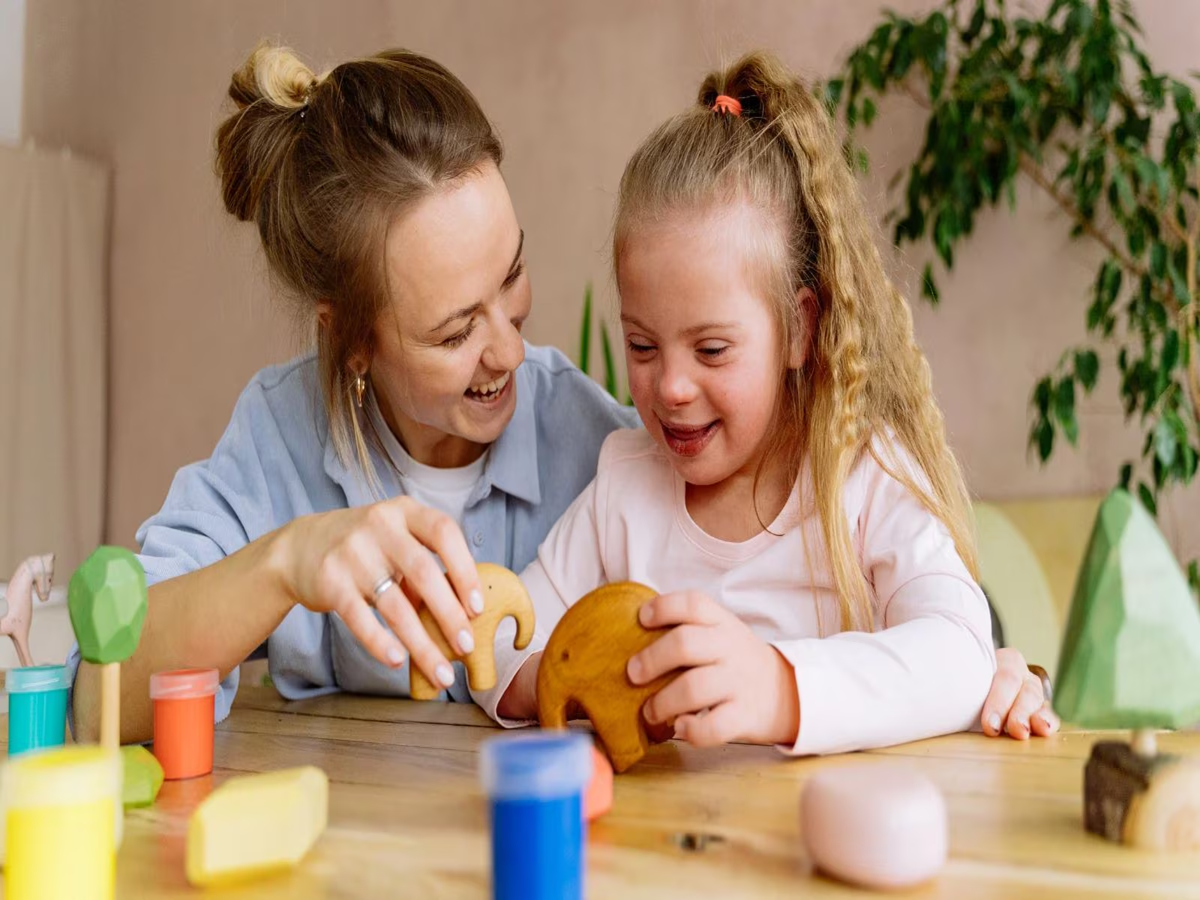
Childhood is a time for learning and trying new things.
Why is the freedom to make mistakes important?
Childhood is a period for learning and exploring new experiences. During this time, children may often make poor decisions, break things, mess up a task, or fail to complete something as expected. In such moments, a parent’s immediate reaction should not be to scold the child or fix the mistake for them. Instead, the child should be given the chance to understand where they went wrong and how they might do better next time.
When children are given the freedom at home to express their thoughts, ask questions, and admit to their mistakes, they feel a greater sense of security. They gain the confidence that, even if they make a mistake, their parents will still stand by them. This does not mean that children should be given a free pass for every error; rather, it means helping them distinguish between right and wrong without subjecting them to humiliation.
How can the fear of making mistakes affect a child’s mental health?
According to research published in the *British Journal of Educational Psychology*, if a child develops a deep-seated fear that making a mistake will lead to being scolded or embarrassed in front of others, they may begin to avoid trying new things altogether. In many cases, they might even start hiding their mistakes or become afraid to tell the truth. In some children, this fear can manifest in their studies, sports, and other activities.
It can also impact their self-confidence. A child might strive for perfection in everything they do, viewing even a minor failure as a personal shortcoming. This can lead to feelings of frustration, anxiety, and a sense of inferiority compared to others. While the impact varies from child to child, constant criticism and shaming for mistakes do not foster a healthy environment for a child's emotional development.
Research findings
A study published in the *British Journal of Educational Psychology* highlights the link between a child's fear of making mistakes and parental behavior. The study analyzed interactions between 231 eight-year-old children and their mothers. Researchers found that when mothers acknowledged their child's frustration and emotions—and worked together with them to find a solution—the child's fear of making mistakes decreased.
Simply telling a child what to do differently next time is not enough. It is equally important to validate their feelings and reassure them that, even when a mistake occurs, their parents remain by their side. This reduces the child's fear and encourages them to learn from their mistakes rather than trying to hide them.
How can you help children learn from their mistakes?
Avoid immediate scolding: If a child spills a glass of water or breaks something, address the situation calmly first. Instead of getting angry, explain how they might be more careful next time.
Ask questions about the mistake: Rather than providing immediate answers or scolding, ask, "Why do you think this happened?" or "How could you handle this better next time?" This encourages the child to think for themselves.
Acknowledge your own mistakes: Parents make mistakes too. If you slip up, do not hesitate to admit it in front of your child. This will help them understand that making mistakes is a part of being human.
Praise the effort: Do not limit your praise to instances where a child achieves good grades or wins. Acknowledge their hard work, patience, and willingness to try again. This will teach them to value the learning process over the final outcome.
Assist in correcting mistakes: If a child makes a mistake, encourage them to take responsibility. For example, if they have scattered their toys, help them tidy them up. This will also teach them how to rectify their own mistakes.
Grant freedom, but set appropriate boundaries.
Allowing children the space to make mistakes does not mean letting them do whatever they please. Parents should establish rules suitable for the child's age. Certain activities—such as playing on the road or handling fire—are dangerous and must be stopped immediately. However, for everyday, minor tasks, allow them to try things on their own. This will enable them to learn from their mistakes and gradually grow wiser.
The American Academy of Pediatrics also emphasizes that effective parenting involves showing love, listening to children, and offering support. It is equally important to teach them the difference between right and wrong. Therefore, rather than shielding children from every mistake, provide them with the opportunity to learn from their own errors. Reassure them that their parents are always there for them whenever they need help.
PC Social Media