LIFESTYLE
Premanand Ji Maharaj: Do children suffer the consequences of their father's actions? Premanand Ji Maharaj's shocking truth..
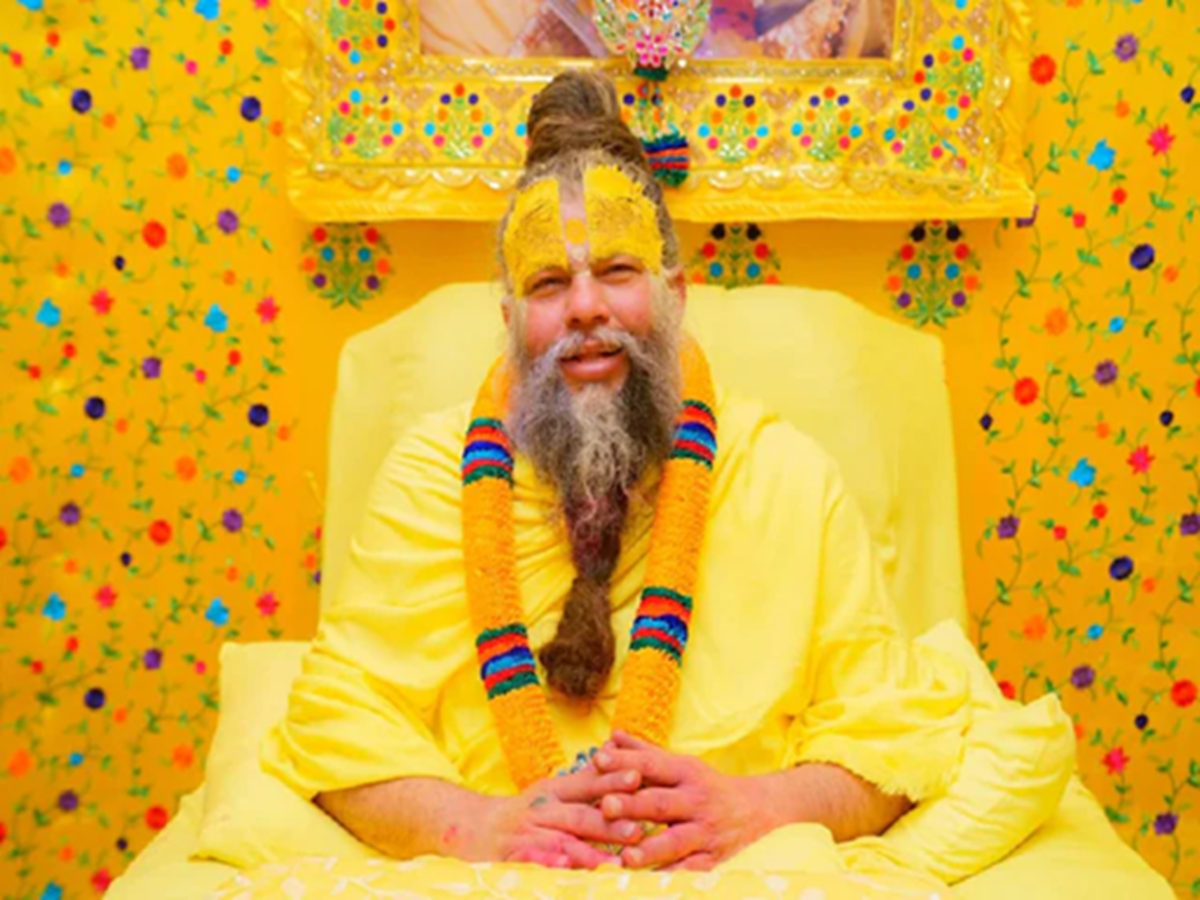
Premanand Ji Maharaj: In everyday family conversations, one phrase is often heard: "Like father, like son." This isn't just a proverb, but a truth derived from our social experiences. But is this limited only to upbringing, or does it also include the consequences of one's actions? Do children also have to bear the burden of their father's sins, wrong decisions, and unrighteousness? Saint Premanand Ji Maharaj has expressed his views on these questions in very simple yet profound words.

His perspective neither instills fear nor creates confusion, but rather compels self-reflection. In today's fast-paced life, where shortcuts to success have become common, it's crucial to understand that the impact of karma is not limited to the individual. It extends to the family, society, and future generations. This is why Premanand Ji Maharaj's thoughts resonate with ordinary people and connect directly to their lives.
The Role of the Father and the Impact of His Actions
In every child's life, the father is a strong foundation. His decisions, behavior, and daily habits unknowingly become lessons for the children. If the father walks the path of honesty, restraint, and truth, the children also tend to follow the same path. Conversely, a father who walks the wrong path can, knowingly or unknowingly, make his children's future difficult.
What does Premanand Ji Maharaj say?
According to Premanand Ji Maharaj, the principle of karma is very simple. If a father resorts to unrighteousness, deceit, or ill-gotten gains, its effect may manifest in the child's life as sorrow, struggle, or mental unrest. This punishment is not like divine retribution, but rather a natural consequence of one's actions.
When the Children's Actions Weigh Heavily on the Father
This relationship is not one-sided. Maharaj explains that if the children go astray, the father has to face humiliation and criticism in society. People's taunts, questions, and doubts hurt the father's honor and respect. Thus, the responsibility of karma circulates within the family.
Why Success Achieved Through Unrighteousness Doesn't Last
We often see that some people appear happy even after doing wrong. Premānand Ji Maharaj attributes this to the fruits of virtuous deeds from past lives. As soon as those merits are exhausted, a period of difficulties begins in life. Wealth, prestige, or happiness acquired through unrighteous means are not permanent; they are bound to be destroyed sooner or later.
Why is this lesson important in today's context?
Today, when parents want to secure their children's future, the greatest investment they can make is in their own actions and conduct. Children learn what they see every day. Therefore, walking the right path becomes not just a personal matter, but a matter of generations.
PC Social Media