LIFESTYLE
We sleep better in the dark, and our eyes automatically open when the light is switched on. What's the reason behind this?
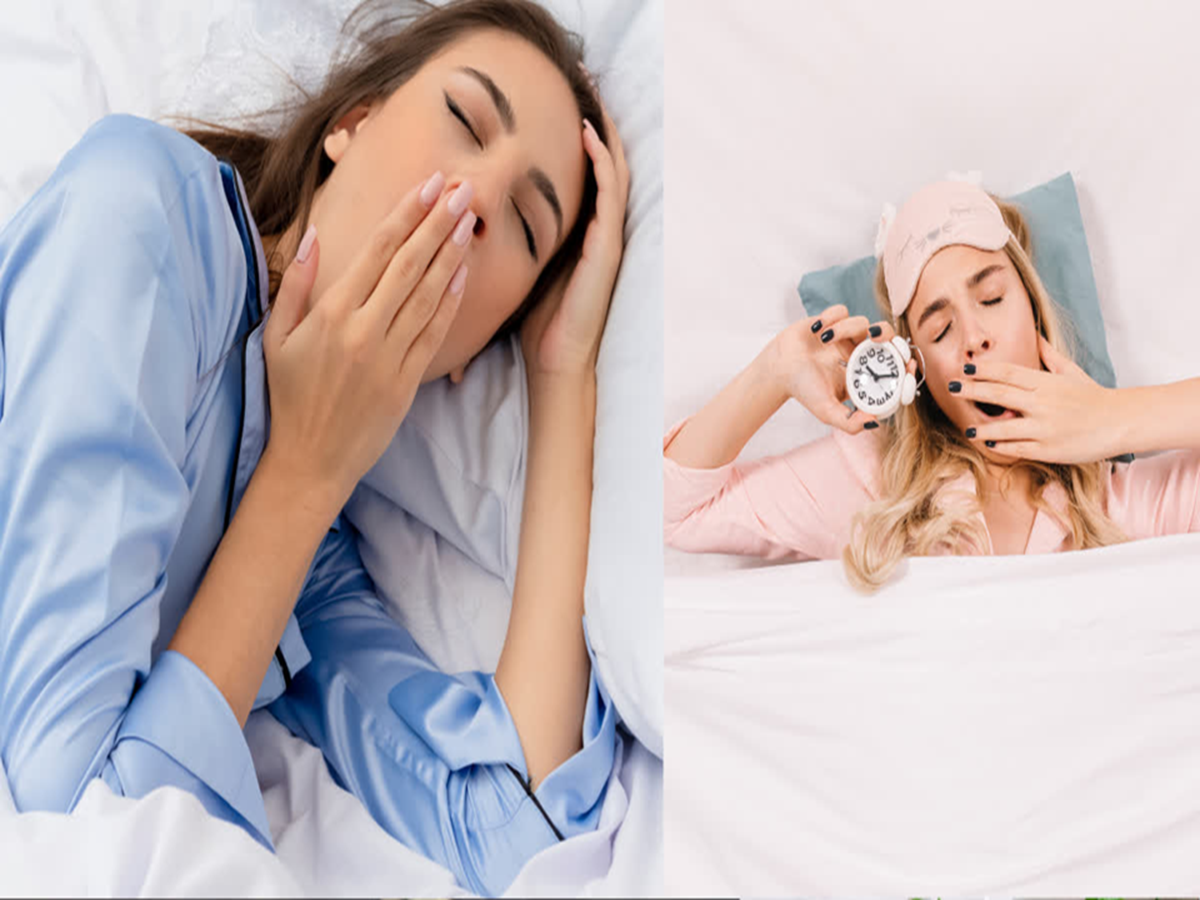
Darkness and Sleep Quality: There is a direct connection between our sleep and light. When it gets dark at night, people start to feel sleepy. As soon as it gets light in the morning, they wake up. This is a biological process that occurs in the body. However, in the digital age, exposure to artificial light has increased, which has started to disrupt people's sleep. Most people know that they sleep better in the dark and wake up when the lights are on. People consider this normal, but there is a scientific reason behind it. Light directly controls our body's internal biological clock, or circadian rhythm. This disrupts the sleep system.
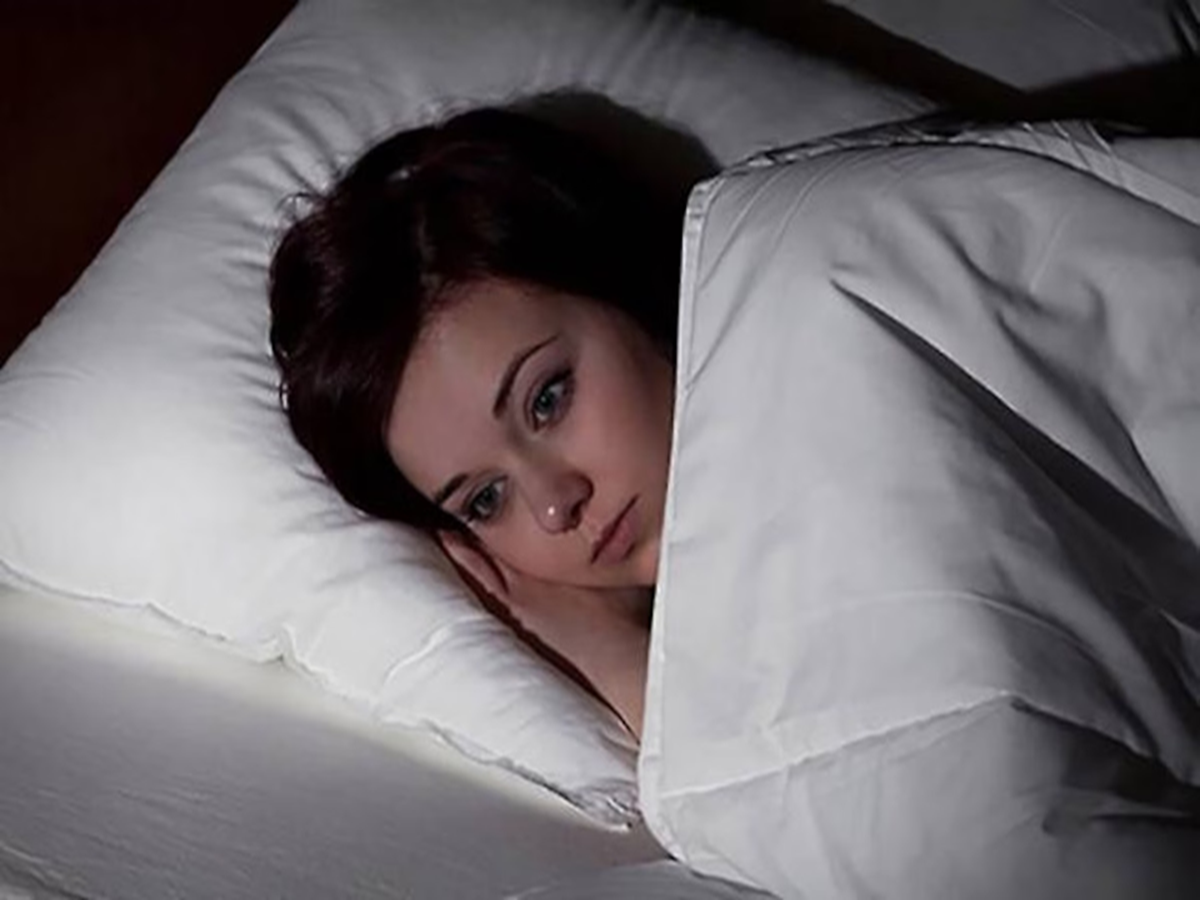
According to a report by the Sleep Foundation, our body has a natural clock that works 24 hours a day. It is controlled by a small part of the brain. When light enters our eyes, special cells in the retina send this signal to the brain, and the brain interprets it as a signal for day or night. Based on this, the body releases hormones, body temperature changes, and the sleep-wake cycle is controlled. In natural conditions, this system works in sync with sunlight and darkness. However, artificial light confuses this clock.
Nowadays, the 24-hour presence of artificial light, such as streetlights, office lights, and mobile and laptop screens, confuses the biological clock. Receiving too much light at the wrong time can disrupt the circadian rhythm, leading to delayed sleep onset, frequent awakenings, and the body not getting enough rest. Research shows that prolonged exposure to this can disrupt metabolism, lead to weight gain, and increase the risk of heart disease and mental health problems.
This light also affects the hormone melatonin, which is called the sleep hormone. As soon as it gets dark, the pineal gland in the brain starts producing melatonin, which induces sleep. Light, and especially blue light, slows down or completely stops the production of melatonin. This can make it difficult to fall asleep.
According to experts, to get better sleep, it's essential to reduce light exposure before bedtime. Specifically, avoid screens that emit blue light, such as smartphones, laptops, and tablets. Use soft yellow or red light in the bedroom and keep the room as dark as possible. Choosing the right lighting not only improves sleep quality but also plays a crucial role in maintaining the health of both the body and mind. If you still can't sleep even in complete darkness, consult a doctor. Sometimes, insomnia can be a sign of underlying health problems.
PC Social Media