Parenting
Prevent your home from becoming a 'battleground'; try these 5 smart ways to mediate conflicts between your children..
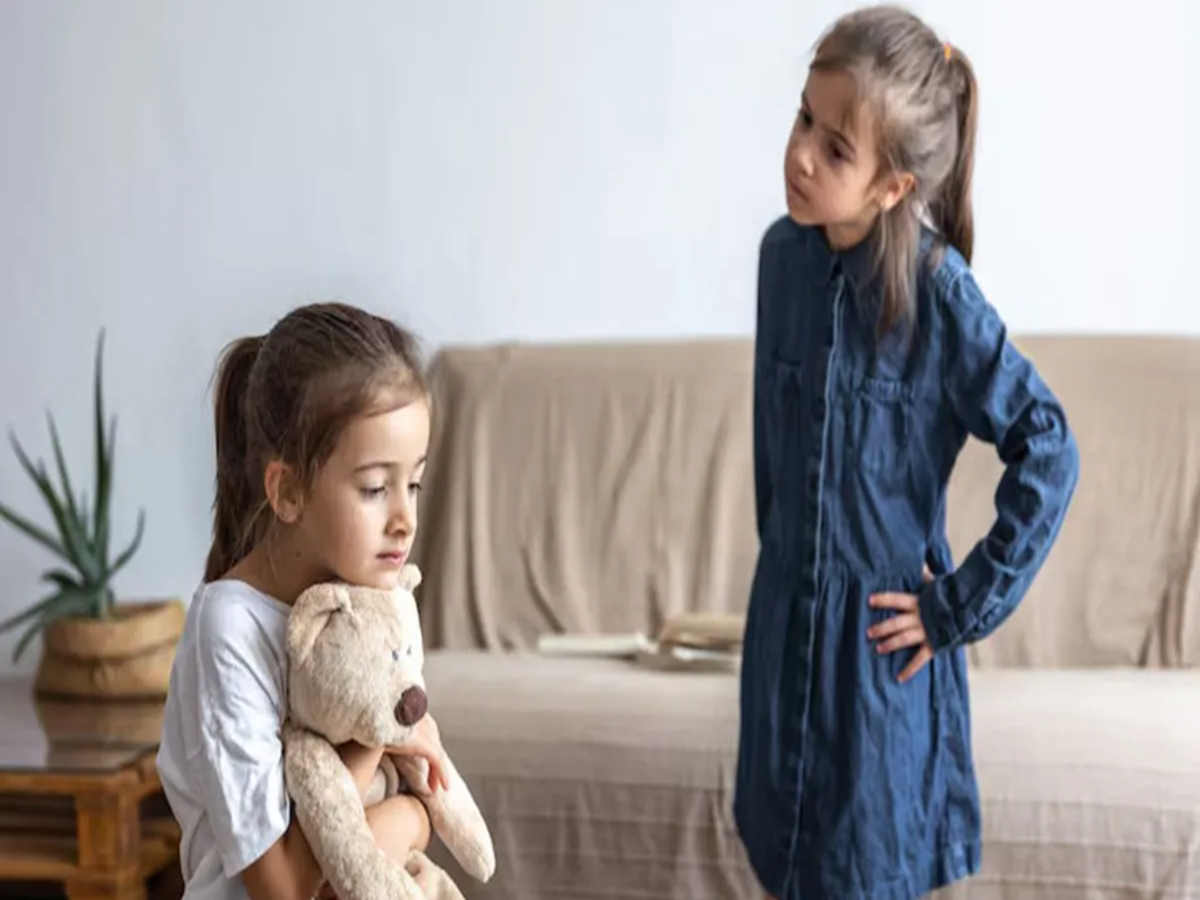
Minor squabbles between siblings are common in almost every household. Arguments over toys, teasing each other during study time – these are all normal occurrences. However, if these fights escalate, the home environment can become stressful.
In such situations, parents should handle the situation wisely. By adopting some simple and effective parenting tips, not only can the bond between children be strengthened, but a peaceful atmosphere can also be maintained at home. Let's learn about some effective parenting tips to resolve daily sibling conflicts.
How to resolve sibling fights?
Acknowledge both children's feelings - Children often fight because they feel their feelings are not being heard. Parents should listen carefully to both children and make them feel that their feelings matter.
Avoid comparisons - Statements like, "Look how good your brother/sister is," can increase competition and jealousy among children. Every child has their own abilities and interests, so instead of comparing them, encourage their individual strengths.
Give equal attention - Sometimes fights occur simply because children feel that their parents give more importance to one child. Giving children equal time and attention is very important so that they feel equally valued.
Don't take sides in a fight - If parents repeatedly take one child's side, the other child starts to feel insecure. Try to remain neutral in the fight and encourage the children to resolve the conflict themselves.
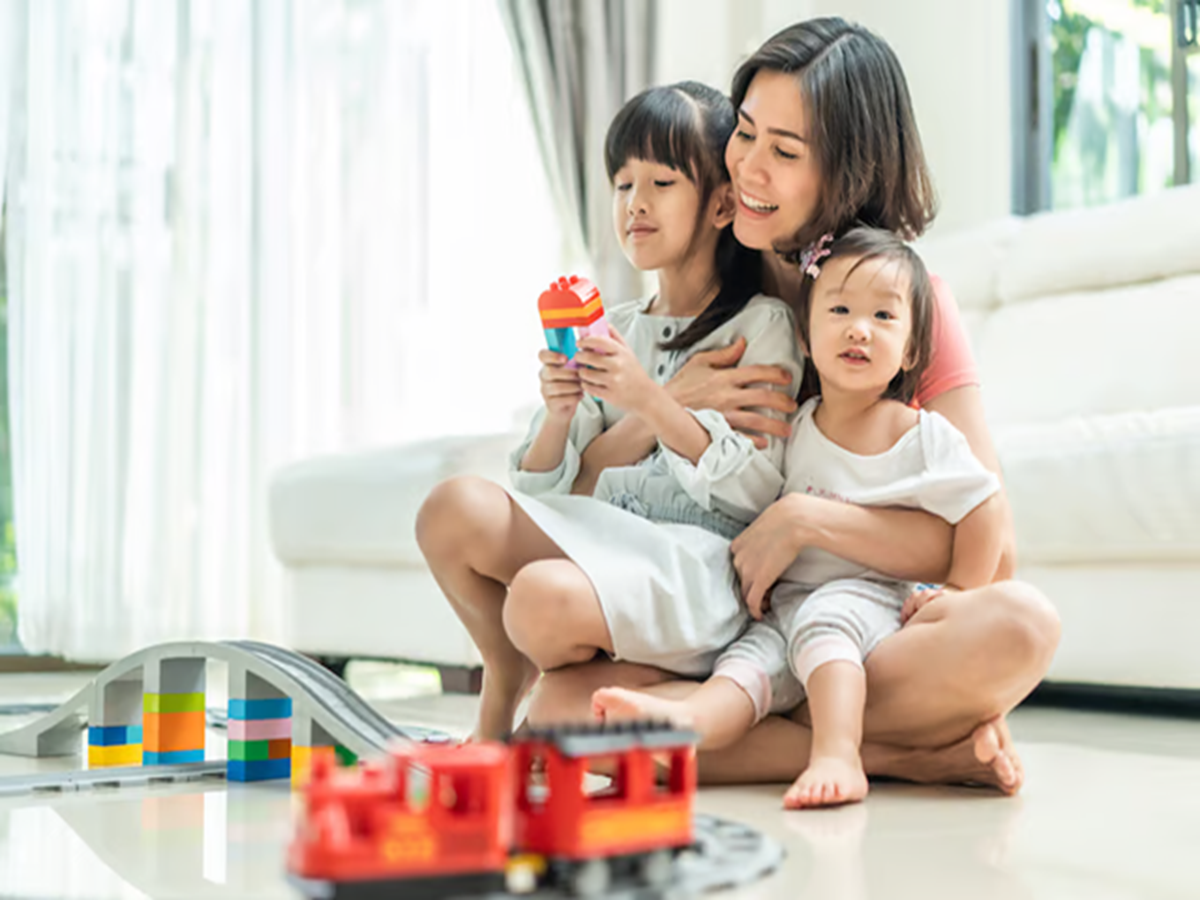
Organize team activities from time to time - Involve children in activities where they have to work together, such as small household chores, games, or creative projects. This will strengthen cooperation and mutual understanding between them.
Praise their positive behavior - When children play together or help each other, be sure to praise them. This will encourage them to repeat such positive behavior.
Set rules and boundaries: Some basic rules at home, such as no hitting or using abusive language, should be clearly established. It's important to explain to children that it's okay to feel angry, but not to express it in harmful ways.
Give them personal space: Every child needs their own privacy and time alone. When they feel that their personal space is respected, they will become calmer and more understanding.
PC Social Media