ENTERTAINMENT
Ramayana Review: Ranbir's brilliance, Yash's tremendously terrifying form; 'Ramayana' is a grand epic of technology and faith..
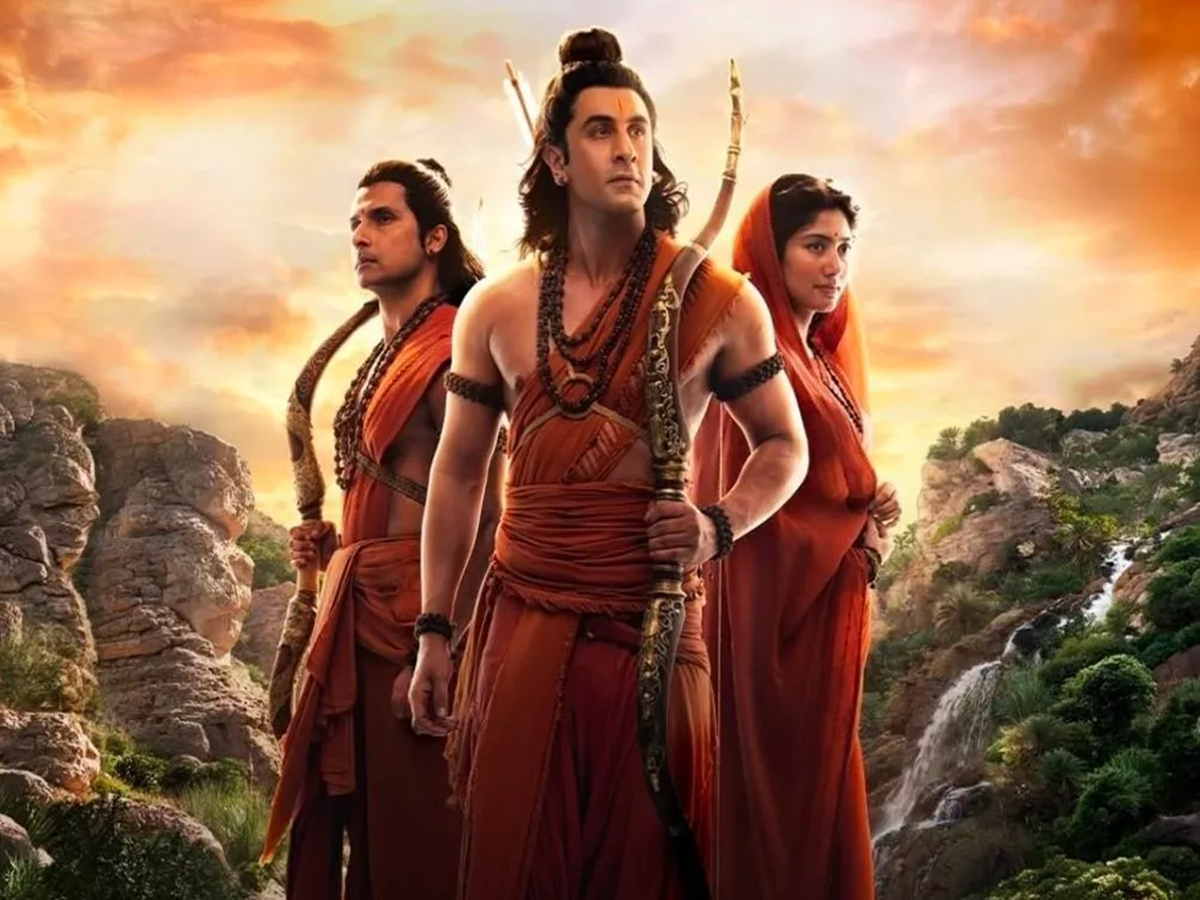
When the tyranny of the *asuras* (demons) grew on Earth, Lord Vishnu incarnated on the planet and came to be known as *Maryada Purushottam* Shri Ram. Even today, the mere utterance of the name "Ram" serves as a guiding light through the journey of life—an echo that now resonates within the walls of cinema halls. When the moral integrity (*maryada*) of the *Treta Yuga* meets the cutting-edge technology of the *Kali Yuga* on the silver screen, the result is *Ramayanam*.
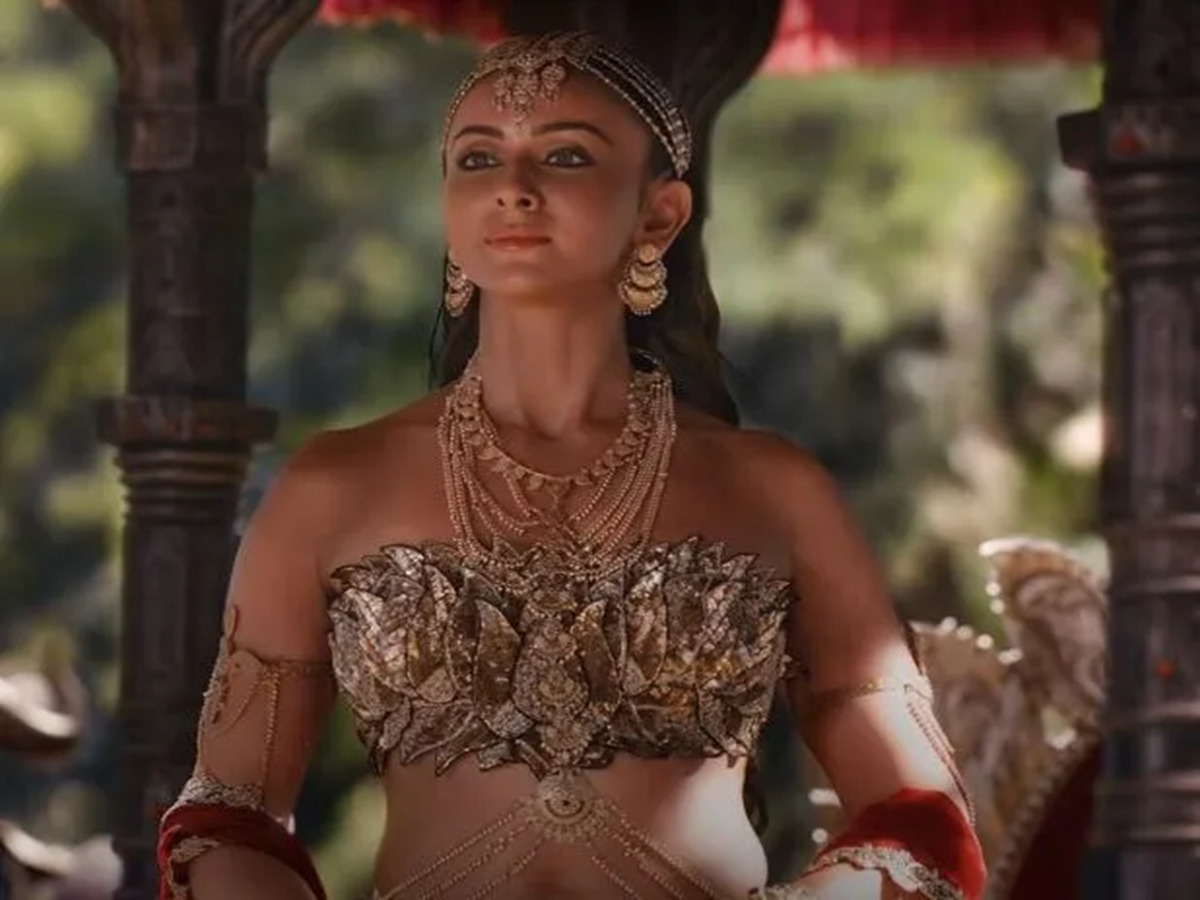
While this epic has been presented in various forms since the era of Ramanand Sagar, the Hollywood-scale canvas upon which Nitesh Tiwari and Namit Malhotra have brought it to life is truly dazzling. *Ramayanam*—the grandest and most ambitious film in the history of Indian cinema—has arrived in theaters. Before you book your tickets to witness this monumental saga of righteousness versus unrighteousness, take a look at this review.
What is the story of *Ramayanam*?
Although the epic of the *Ramayana* has been adapted for the screen many times in the history of Indian cinema, the grandeur, technical precision, and emotional depth brought forth by director Nitesh Tiwari and producer Namit Malhotra make this the most significant and impactful cinematic experience of the modern era. The film serves as a masterclass in how to present cinema on a grand scale.
Since we have seen the story of the *Ramayana* on screen many times, we are already familiar with the narrative arc; however, the method of storytelling has always varied—and this time is no different. *Ramayanam* begins with the conflict between the *devas* (gods) and the *asuras*. It depicts how the *devas*—led by Devraj Indra—achieve victory over Lanka. Following this triumph, Kaikesi, the mother of Ravana, reminds her son that his true purpose in life is to conquer Lanka and become the sovereign of all three worlds. Following his mother Kaikesi’s advice, Ravana undertakes intense penance and eventually secures the boon of immortality from Lord Brahma. He then enters Lanka, eliminates everyone there, and claims the kingdom—originally belonging to Kubera—as his own. Meanwhile, in Ayodhya, a *yajna* (sacrificial ritual) is performed at the palace of King Dasharatha, leading to the birth of Rama, Bharata, Lakshmana, and Shatrughna. Subsequently, the sage Vishvamitra arrives at King Dasharatha’s court and requests that the valiant warrior Rama accompany him. Whenever Vishvamitra attempted to perform *yajnas* or rituals, demons like Tataka and Subahu would disrupt them, desecrating the sacred proceedings by hurling flesh and bones.
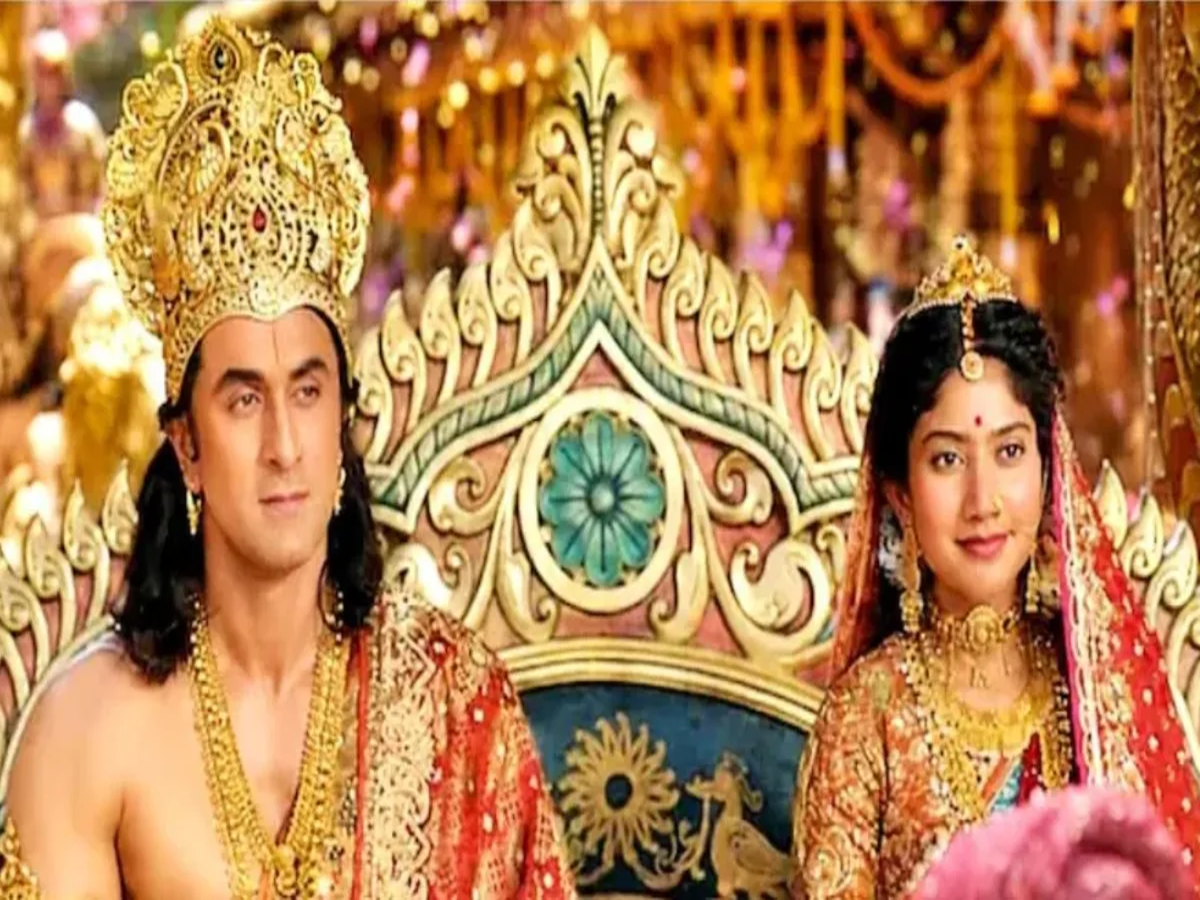
Rama then steps in and slays these demons, including Tataka and Subahu. The narrative proceeds to the *Sita Swayamvara* (the ceremony for Sita’s marriage) and the subsequent exile of Rama to the forest. The first half of the film is dedicated to establishing this sequence of events. The film also depicts a battle between Ravana and Vidyutjihva, the husband of Shurpanakha. It further explores how Shurpanakha becomes infatuated with Lord Rama, approaches him with a marriage proposal, and the eventual moment when Lakshmana cuts off her nose.
The film also portrays Mother Sita as a warrior; she is depicted as possessing profound knowledge and skill. A battle between Ravana and Jatayu is also featured—a sequence that is sure to move you to tears while showcasing the film’s grand scale. The narrative incorporates several fresh elements that you are likely to appreciate.
How is the direction?
Since everyone is already familiar with the core story of the Ramayana, the greatest challenge for director Nitesh Tiwari was to present it with a fresh visual treatment and a deep emotional resonance. He has succeeded admirably. Nitesh Tiwari demonstrates a masterful command of direction, striking an excellent balance between the dignity of the mythological source material and the use of cutting-edge modern VFX and CGI. From the regal splendor of Ayodhya to the rugged forests of Dandakaranya and the golden walls of Lanka, the director’s vision shines through in every single frame. As a director, he has succeeded in keeping the audience captivated. The greatest strength of *Ramayanam* lies not just in its narrative, but also in its visuals, which lend the film an even greater sense of grandeur.
How is the cast's performance?
Every character in the film delivers a stellar performance. Ranbir Kapoor, as Lord Shri Ram, brings a calm aura, great restraint, and a gentle expression in his eyes that truly touches the heart. He portrays both the compassion on his face and the fierce intensity of a Kshatriya warrior on the battlefield with remarkable ease; those who may have been trolling Ranbir will surely change their minds after watching *Ramayanam*. That said, Yash—who plays Ravana—completely steals the show.
Indeed, if there is anyone who commands the entire screen the moment they appear, it is Yash (Rocking Star Yash). The commanding, authoritative manner in which he portrays Ravana’s ego, immense erudition, and valor is enough to give you goosebumps. His screen presence is so powerful that he dominates every scene he is in.
Furthermore, Sharad Kelkar’s voice—he dubbed for the character of Ravana in the Hindi version—makes every scene featuring Ravana truly memorable. The sequence where Ravana appears in his *Dashanana* (ten-headed) form is so striking that it will leave the audience cheering. Meanwhile, Sai Pallavi, as Mata Sita, captivates the viewer with her simplicity and natural grace. Without any artificial loudness, she uses only her expressions and eyes to bring to life the sanctity and spirit of sacrifice characteristic of that era.
Whether it is her fierce demeanor on the battlefield or the deeply emotional moments, Sai portrays the character with great strength. Ravi Dubey, as Lakshmana, perfectly captures his playful, devoted, and fiery nature. His performance beautifully highlights his deep love for his brother and his unwavering sense of duty. At times, his lighthearted, witty dialogue adds a delightful touch to certain scenes. Rakul Preet Singh looks fantastic in the role of Shurpanakha; her beauty further enhances the character. She has been given ample screen time, and she looks truly regal, adorned in elaborate jewelry.
Arun Govil delivers a solid performance as King Dasharatha, while Lara Dutta portrays Kaikeyi with great skill. Vidyut Jammwal is excellent in his role. Additionally, Kajal Aggarwal as Mandodari and Ajinkya Deo as Vishvamitra have both done commendable work. However, the film’s biggest emotional surprise is Anupam Kher; his dedication and the pain he conveys as Jatayu truly come to life on screen—even though he appears in the form of the legendary bird-king.
What are the visuals like?
The background score and the action sequences are the film’s strongest pillars. The action, in particular, is remarkable. The visuals never feel artificial; the battle scenes are on par with Hollywood standards, with the use of strategy, weaponry, and chariots appearing highly realistic. The background score elevates the mood of every scene significantly.
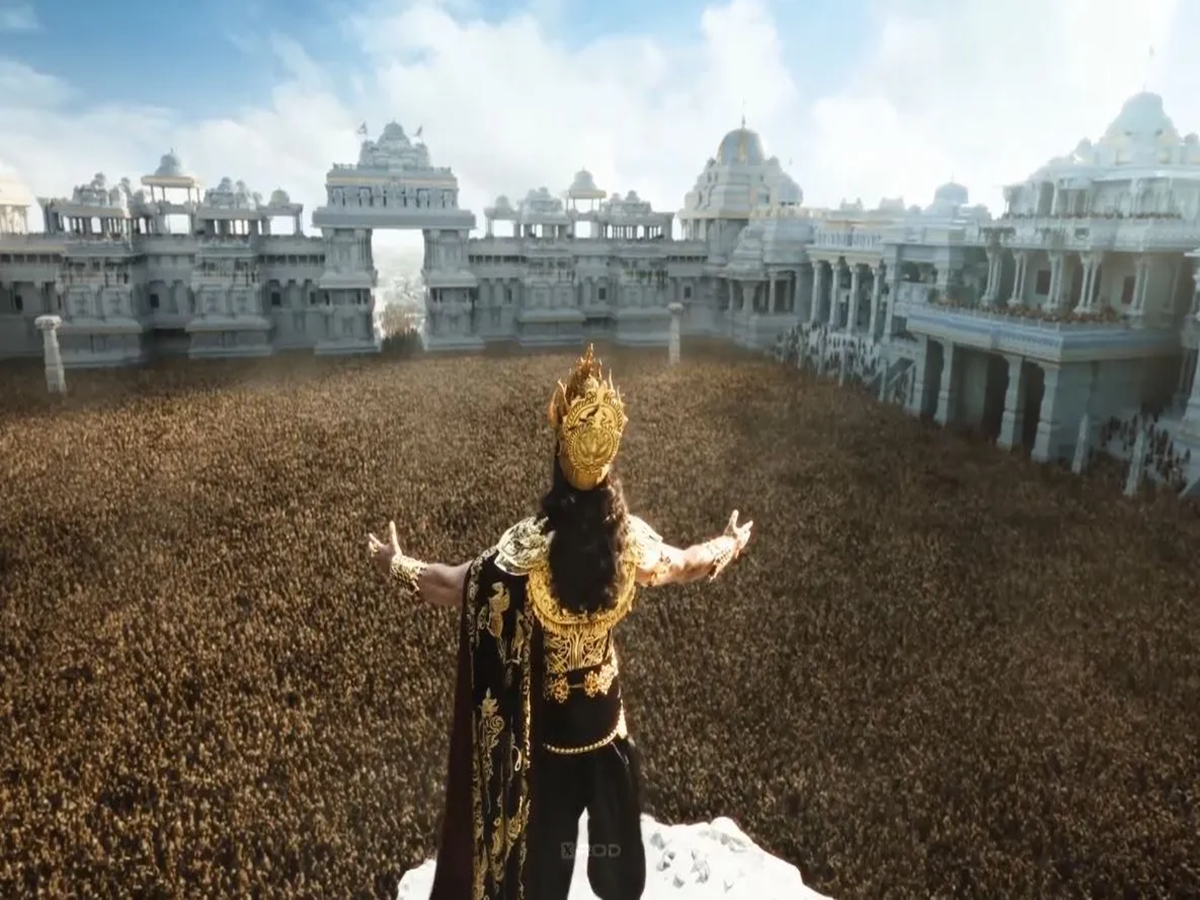
In quieter moments, it evokes a sense of devotion and stillness, while during battles and confrontations, it becomes even more thrilling. Certain scenes are truly spectacular—the forest sequences are well-crafted, and the segments featuring Jatayu, along with the aerial combat, add immense impact. The grandeur of Lanka and Ayodhya is visually stunning.
PC Social Media