These days, social media is flooded with skincare trends. Every day, a new product or routine goes viral. But are these trends truly beneficial for your skin?
The simple answer is no. Following them blindly often does more harm than good. While improving your daily routine is essential for healthy skin, blindly following anything can be detrimental. Let's learn about four common skincare mistakes that you can correct to make your skin healthy and radiant.
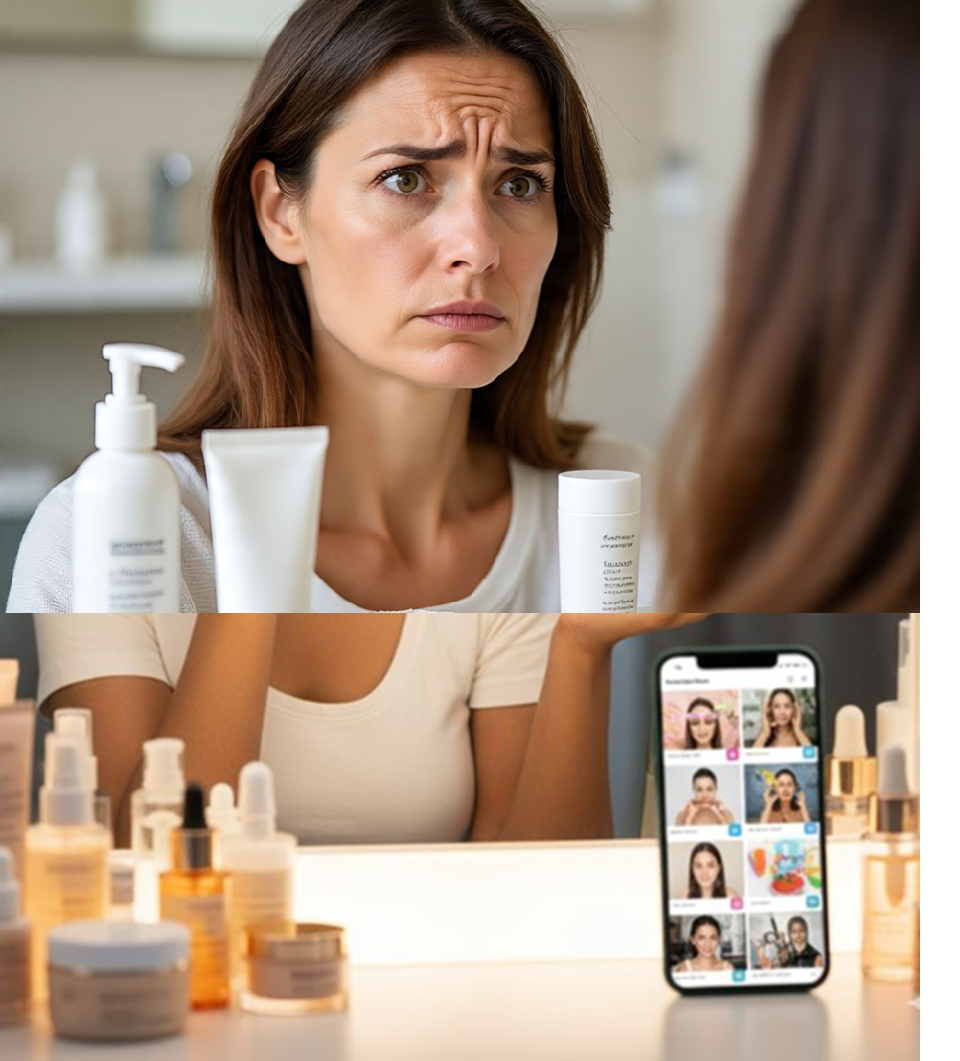
Blindly Following Social Media Trends
The magical results shown on social media are often the result of filters, good lighting, or paid promotions. Adopting a celebrity or influencer's routine directly can be dangerous because everyone's skin is different. A product might be a miracle for one person, but it could cause allergies or breakouts for someone else. Avoid following any trend without research or consulting a dermatologist.
Not Completing Treatment
People often stop the course of treatment or medication prescribed by doctors for acne, fungal infections, or other skin problems as soon as the symptoms subside. This mistake can cause the problem to return and become more severe. Not completing the treatment means the bacteria or fungus are not eliminated, which can lead to drug resistance. Therefore, it is crucial to complete the treatment.
Skincare Mistakes
Ignoring Minor Skin Problems
Any change in the skin, such as persistent dryness, mild itching, recurring acne, or any blemishes, can be an indicator of an underlying health condition. Ignoring these minor problems can lead to them becoming serious. The skin is the body's largest organ and often signals nutritional deficiencies, hormonal imbalances, or other health problems. Paying attention to them in time is beneficial in the long run.

Not Understanding Your Skin Type and Needs
Is your skin oily, dry, sensitive, or combination? Choosing products without this information is a waste of both money and time. For example, someone with dry skin shouldn't use oil-control products, and someone with oily skin shouldn't use heavy moisturizers. Additionally, skin needs change according to age, season, and lifestyle.
PC Social Media