Business
The Yogi government will provide Rs 6,000 every month to those who keep cows; find out how to avail the benefits of this scheme..
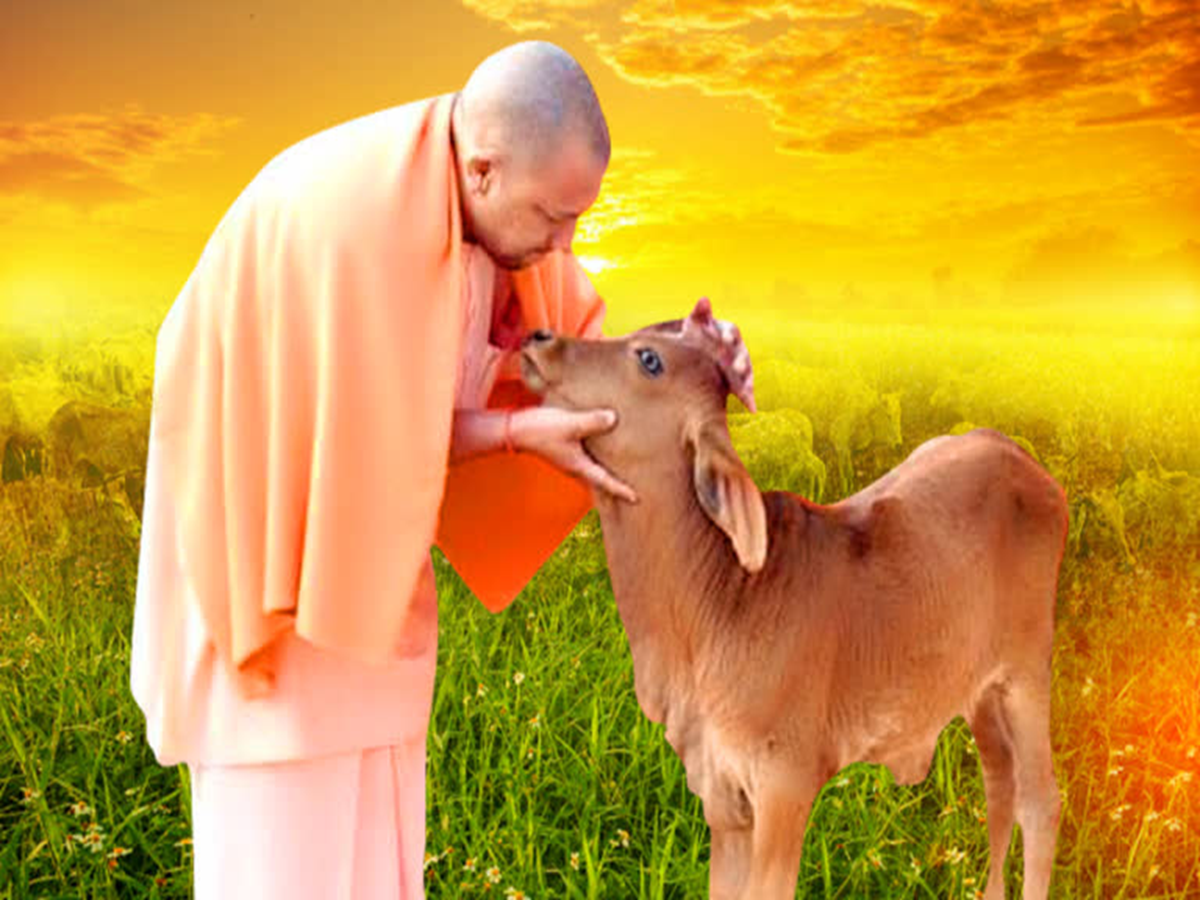
CM Yogi Adityanath’s Cow Scheme: The Yogi Adityanath-led government of Uttar Pradesh has announced plans to strengthen the ‘Chief Minister Sahbhagita Yojana’ (Chief Minister’s Participation Scheme), aimed at both protecting stray and destitute cattle and increasing farmers' income. Under this scheme, the government will provide Rs 1,500 per month for each cow to farmers and cattle rearers who take care of such animals. The benefit is capped at a maximum of 4 cows per person, meaning farmers can earn an additional monthly income of Rs 6,000 by looking after these cattle.
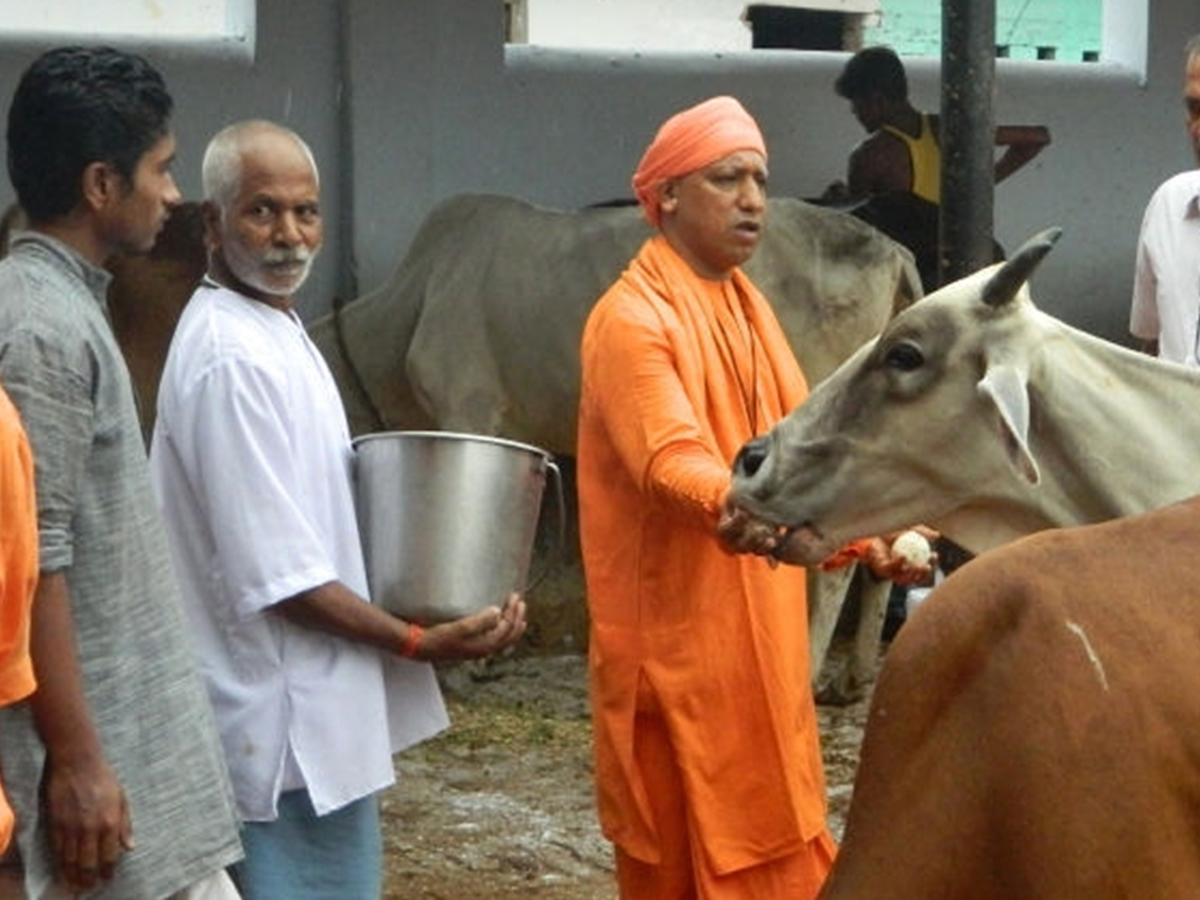
Uttar Pradesh Chief Minister Yogi Adityanath has announced the expansion of this scheme to provide a permanent solution to the issue of stray cattle in the state while simultaneously empowering farmers economically. Farmers and cattle rearers who adopt stray or destitute cattle from state-run shelters (*gaushalas*) will receive financial assistance of Rs 6,000 per month. This initiative is expected to not only protect farmlands from damage caused by stray animals but also provide a regular source of income for rural residents.
An opportunity for an additional monthly income of up to Rs 6,000
According to Chief Minister Yogi Adityanath, the scheme has been structured to ensure that the financial burden of fodder and maintenance does not fall on the cattle rearers. To facilitate proper care and nutrition, the government will provide Rs 1,500 per cow each month—amounting to Rs 50 per day per cow. Each farmer or cattle rearer can adopt a maximum of 4 stray cows. Consequently, a farmer caring for 4 cows will receive direct financial assistance of Rs 6,000 per month from the Uttar Pradesh government.
How to apply offline
Since this scheme is designed for rural areas and the farming community... You do not need to visit an internet cafe or navigate online portals to avail the benefits of this scheme. You can submit an offline application by following the 5 simple steps outlined below. First, visit the office of the Block Development Officer (BDO) for your block, your nearest government veterinary hospital, or the office of the Chief Veterinary Officer at the district level. Obtain the prescribed application form for the 'Mukhyamantri Nirashrit Govansh Sahbhagita Yojana' (Chief Minister’s Scheme for Participation in the Care of Destitute Cattle) from the officials or staff present there—the form is provided free of charge.
Accurately enter your personal information, permanent residential address, and bank account details into the form. Attach photocopies of all required documents to the application. Submit the fully completed form to the BDO or the veterinary officer at the same office and ensure you obtain a receipt or acknowledgment. Once the application is submitted, a team from the district administration and the Animal Husbandry Department will verify your application and assess whether you have sufficient space to house the cattle. Upon successful verification, you will be provided with cattle—each marked with an ear tag—from a nearby government-run cattle shelter (*gaushala*).
Required Documents
Proof of identity; a domicile certificate for Uttar Pradesh, a Voter ID, or a ration card. A clear photocopy of your bank passbook to facilitate the direct transfer of financial assistance via DBT (Direct Benefit Transfer). If available, provide documents related to your land or premises to demonstrate that you have adequate space to keep the animals. A notarized affidavit stating that you will properly care for and raise the cattle, will not leave them to roam as strays, and will not sell them. A recent passport-size photograph and an active mobile number.
How the 'Mukhyamantri Sahbhagita Yojana' Works
Eligible farmers will be provided with cattle sourced from registered government or local cattle shelters. At the time of handover, a unique tag is attached to the ear of each animal to facilitate its identification and tracking. Under the scheme, a grant of Rs 1,500 per cow will be transferred directly into the beneficiary farmer's bank account, eliminating the need for intermediaries. Local veterinary officers and the development block team will periodically conduct physical verifications of the health and upkeep of these cows.
A dual benefit for both farmers and the environment
This scheme is not only boosting the rural economy but also proving to be highly beneficial for agriculture and the environment. By utilizing cow dung and cow urine, farmers can adopt natural and organic farming practices, which will reduce expenditure on chemical fertilizers. Furthermore, the relocation of stray animals—previously found wandering on roads and in fields—to *gaushalas* (cow shelters) or into the care of farmers has led to a significant reduction in crop damage.
PC Social Media