LIFESTYLE
Total Solar Eclipse: The longest solar eclipse in 100 years will occur on August 2, when it will turn into night in the afternoon..
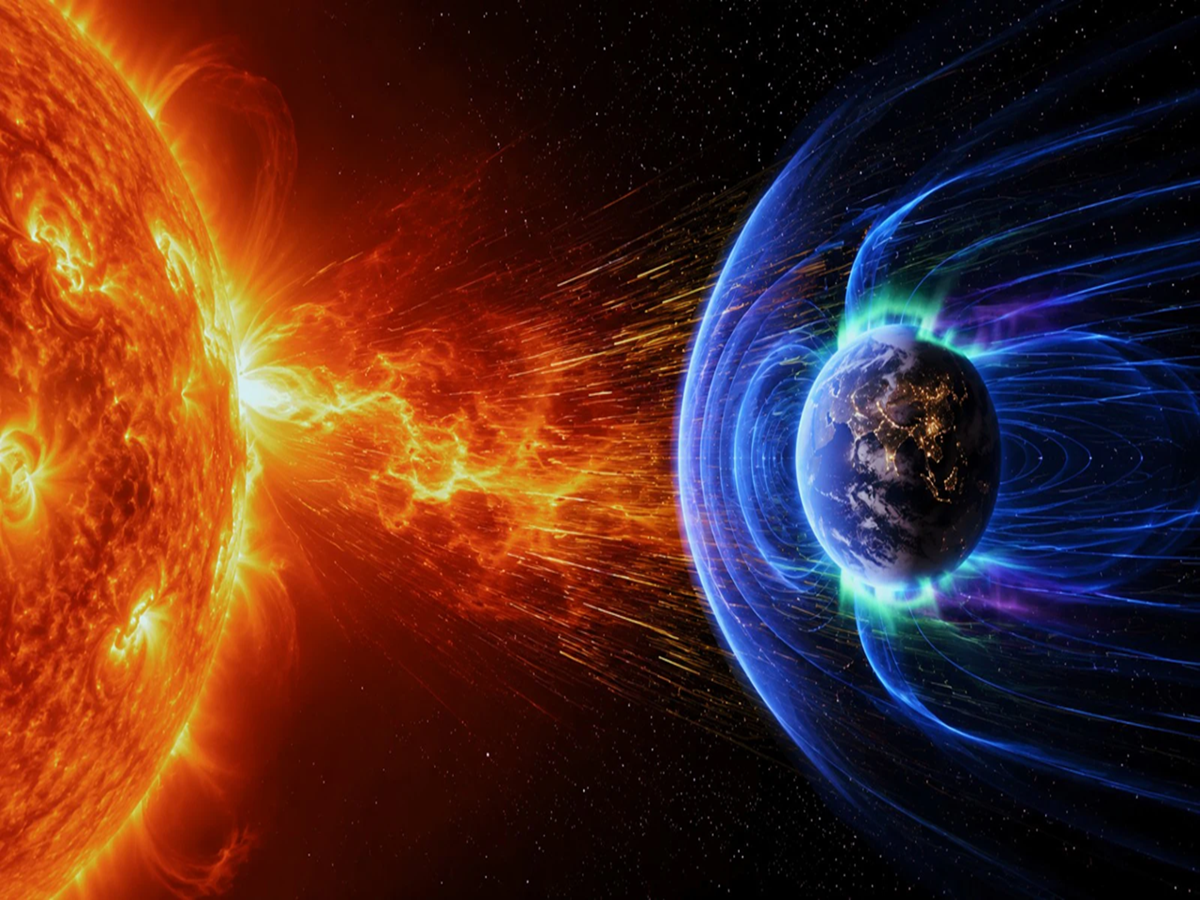
Total Solar Eclipse on August 2: On August 2, 2027, the world is set to witness an extremely rare astronomical phenomenon. On this day, the longest total solar eclipse in a century will be visible, with a projected maximum duration of 6 minutes and 23 seconds. According to scientists, a total solar eclipse of such extended duration is a rare occurrence. Before this, a total solar eclipse of comparable length was recorded on May 29, 1919—an event that made significant history within the scientific community. In the realm of astrology, a solar eclipse is regarded as a highly significant astronomical event. It is believed that an eclipse can exert an influence on an individual's zodiac sign, health, mental state, and overall life. According to astrologers, negative energies tend to intensify during a solar eclipse; therefore, it is advised to exercise special caution during this period.
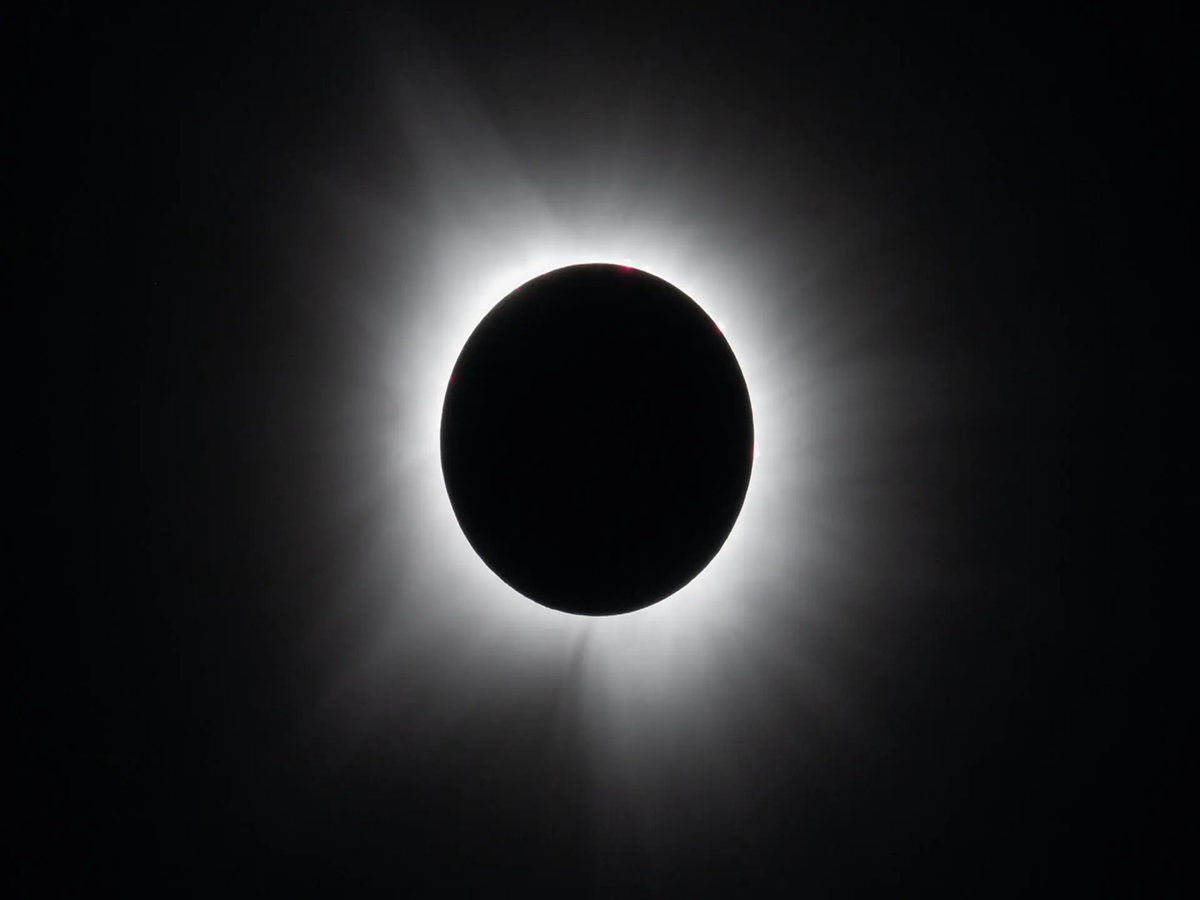
**Daylight Turns into Night**
Astronomers state that the 2027 solar eclipse will be clearly visible across various parts of Europe, North Africa, and the Middle East. During the eclipse, a night-like darkness will descend during the daytime for a duration of a few minutes. Stars will become visible in the sky, and a sudden drop in temperature may also be experienced. Scientists and astronomy enthusiasts from around the globe have already begun making preparations to witness this spectacular sight.
**Why is This Solar Eclipse Special?**
A total solar eclipse occurs when the Moon passes directly between the Earth and the Sun, completely obscuring the latter. The eclipse of August 2, 2027, is considered particularly special because its duration will be significantly longer than that of typical solar eclipses. While total solar eclipses usually last for only a few minutes, this event is expected to endure for 6 minutes and 23 seconds. According to scientists, this eclipse will appear so prolonged due to the specific alignment of the Earth, the Moon, and the Sun. During this time, the Sun's luminous outer atmosphere—known as the corona—will be clearly visible, a sight that is otherwise impossible to observe under normal circumstances.
**The Next Such Eclipse: The 22nd Century**
According to a NASA report, the total solar eclipse occurring on August 2, 2027, is set to be the longest of the century. Indeed, it will stand as the longest total solar eclipse to occur within a span of 100 years. The maximum duration of this eclipse is expected to be 6 minutes and 23 seconds. Before this, a solar eclipse of this nature was witnessed on May 29, 1919. Now, following August 2nd, such a total solar eclipse is not expected to be seen again until the 22nd century—specifically, in the year 2114.
**Solar Eclipses in 2026**
Speaking of the solar eclipses in 2026, two such events are scheduled to occur during the year. The first solar eclipse took place on February 17th, while the second is set to occur on August 12, 2026. The year 2027 will also witness two solar eclipses. The first—an annular solar eclipse—will occur on February 6th, while August 2nd will feature the longest solar eclipse of the century.
**The Five Phases of a Solar Eclipse**
In astronomy, a total solar eclipse is categorized into five distinct phases, each holding its own unique significance.
**Phase 1 – Onset of the Partial Eclipse**
During this phase, the Moon gradually begins to move across the face of the Sun. A small portion of the Sun appears to be obscured.
**Phase 2 – Just Before Totality**
As the Moon approaches the point where it completely covers the Sun, the color of the sky begins to change, and the ambient light diminishes.
**Phase 3 – Total Solar Eclipse**
This constitutes the most extraordinary moment, when the Sun is entirely obscured by the Moon. For a few minutes, darkness descends during the day, and the Sun's corona becomes visible.
**Phase 4 – End of Totality**
The Moon slowly begins to move away from the Sun's path, and the light gradually returns.
**Phase 5 – Conclusion of the Eclipse**
In this final phase, the Moon completely clears the Sun, and the Sun once again appears in its normal form.
**What to Do During an Eclipse?**
During the period of an eclipse, engaging in worship (*puja*), chanting mantras, and meditating upon the Divine is considered auspicious. Many people choose to chant the *Mahamrityunjaya Mantra* or the *Gayatri Mantra* during this time. Pregnant women are advised to exercise particular caution. According to traditional beliefs, they should refrain from venturing outdoors during the eclipse and avoid using sharp or pointed objects.

What should be avoided during an eclipse?
According to astrological beliefs, cooking and eating during a solar eclipse are not considered auspicious. It is customary to take a ritual bath and purify the home after the eclipse has concluded. Although from a scientific perspective, an eclipse is merely a natural astronomical phenomenon, the religious and astrological beliefs associated with it continue to hold significant importance in India to this day.
PC Social Media