LIFESTYLE
Why is not a single corner of the house left in darkness during Diwali? Discover the profound secret..
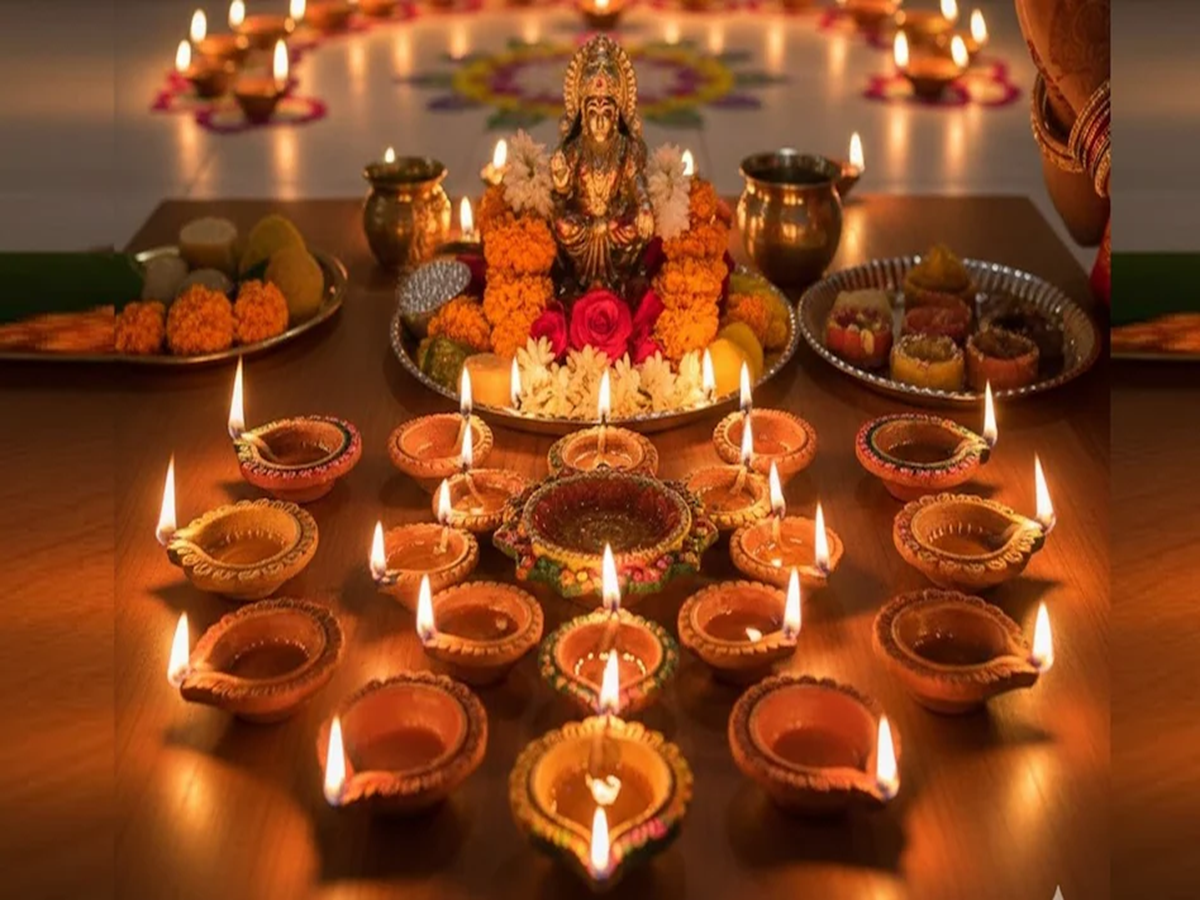
This year, the festival of Diwali will be celebrated on Sunday, November 8, 2026. On this special occasion, when the entire house glows with the light of earthen lamps (diyas) at night, it is not only a beautiful sight but also carries deep spiritual significance. During Diwali, people light diyas everywhere—from the main entrance to every room, large or small. Diyas are also placed on both sides of the kitchen entrance. But have you ever wondered why there is a tradition of illuminating every corner of the house?
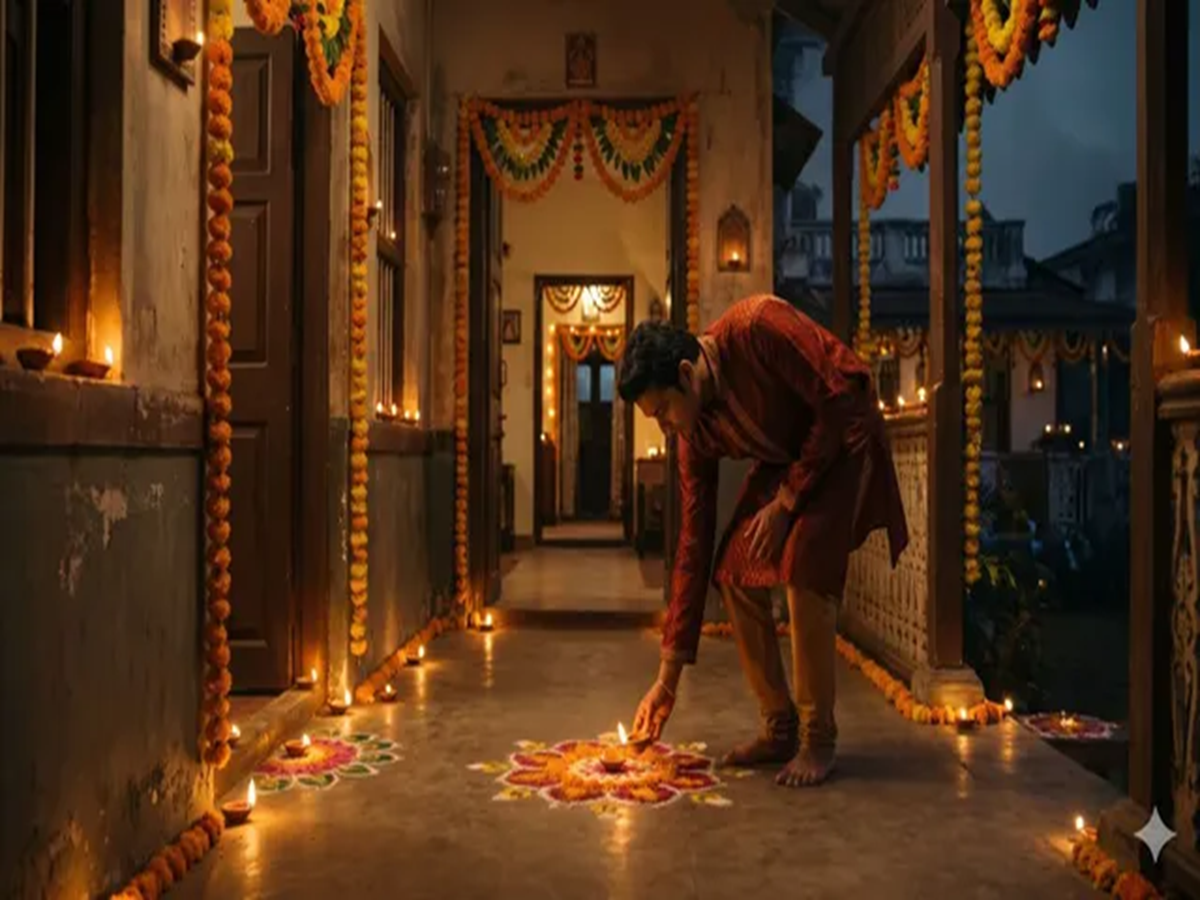
In reality, this practice goes beyond mere decoration; it is considered an effective way to rid every part of the home of negative energy, welcome Goddess Lakshmi, and invite the flow of positive energy. Let’s explore the beliefs behind lighting lamps in every room during Diwali with the astrologers at AstroPatri.
The Significance of Lighting Lamps in Every Room During Diwali
According to astrologer Chandresh Sharma from AstroPatri, the *Amavasya* (new moon) of the month of Kartik is considered the darkest and deepest night of the year. From both scriptural and spiritual perspectives, there are several significant religious and mythological reasons for lighting lamps in every corner of the house on Diwali (2026). Let’s look at the key aspects associated with this:
Three Major Meanings Behind Lighting Lamps on the Night of Amavasya
The Victory of Knowledge over Ignorance: The *Amavasya* *tithi* (lunar day) symbolizes darkness and negative energy. The flame of a *diya* represents the element of fire, which destroys ignorance, fear, poverty, and negative forces (*alakshmi*), while infusing the home with *sattvic* (pure/positive) energy.
The Return of Lord Rama to Ayodhya: According to mythology, it was on this auspicious day that Lord Rama, along with Goddess Sita and Lakshmana, returned to Ayodhya after fourteen years of exile and the defeat of Ravana. On that night of the new moon (Amavasya), the residents of Ayodhya illuminated the entire city with rows of earthen lamps (*deep-avali*).
The Manifestation of Goddess Mahalakshmi: According to the *Padma Purana*, it was on the day of the *Kartik Amavasya* that Goddess Mahalakshmi—the deity of wealth and prosperity—emerged from the *Kshira Sagara* (the Ocean of Milk). The scriptures prescribe the lighting of lamps in every home to welcome the Goddess.
The Tradition of Lighting Lamps in Every Room and Corner
According to the *Skanda Purana* and *Bhavishya Purana*, it is considered essential to place lamps in every part of the house following the *Lakshmi Pujan* on the night of Diwali. The primary reasons for this are as follows:
Dispelling *Alakshmi*
It is believed that if any corner of a home remains in darkness, *Alakshmi*—manifesting as poverty, discord, and lethargy—may take residence there.
Placing Lamps in Various Locations
Placing lamps in the kitchen, near the safe (where valuables are kept), in bedrooms, at the *Tulsi* shrine, near water sources, and even on the rooftop helps to neutralize *Vastu* defects and expel all negative energy from the home.
Balancing the *Pancha Mahabhutas* (Five Great Elements)
The earthen lamp represents the Earth element; the oil represents the Water element; the cotton wick represents the Air element; and the flame itself represents the Ether (*Akasha*) element. Lighting these in every corner of the home infuses the entire environment with energy and sanctity.
PC Social Media