
ENTERTAINMENT
A game for a trophy has now turned into a deadly game—how much substance does Shanaya Kapoor’s series hold?
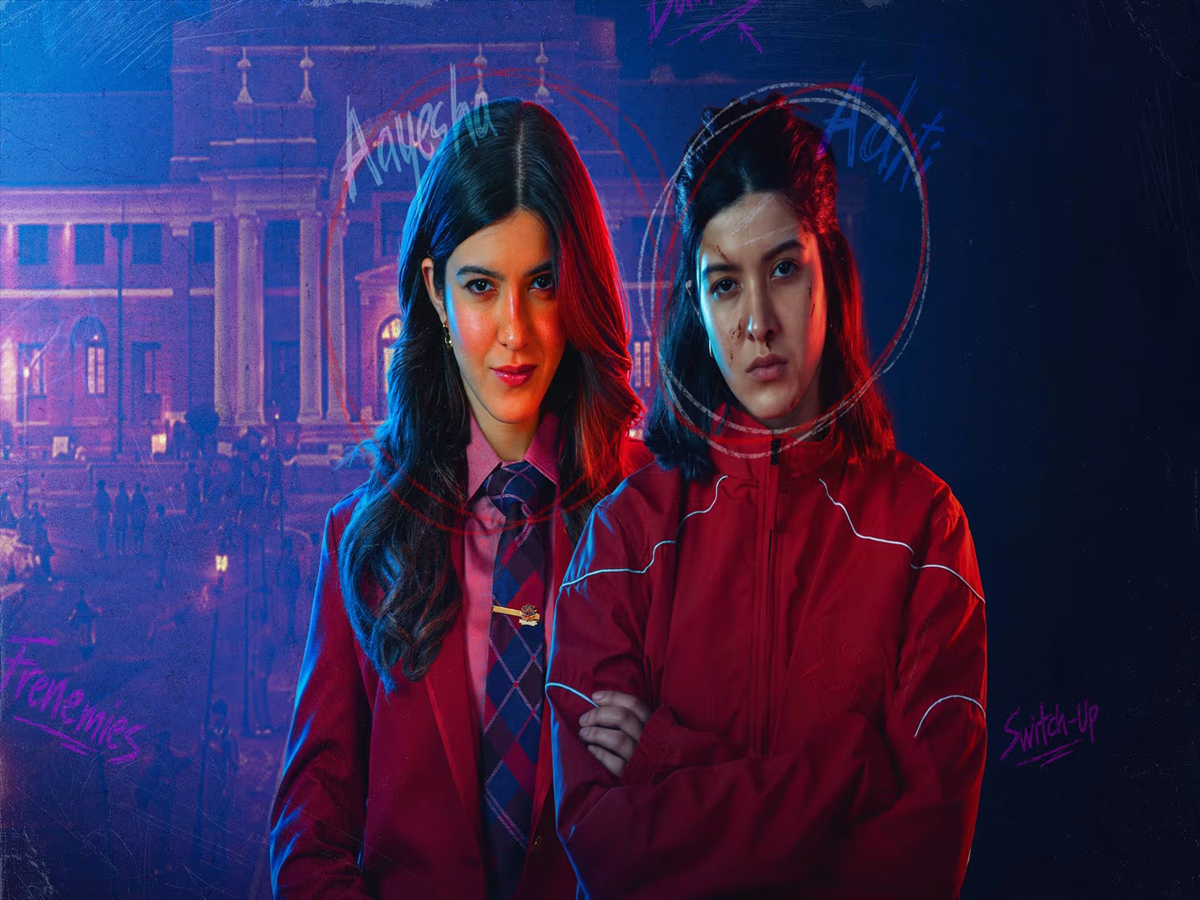
Karan Johar’s 'Student of the Year' franchise began in 2012. The first film featured Alia Bhatt, Varun Dhawan, and Sidharth Malhotra, with a plot centered on friendship, romance, and the race to win the 'Student of the Year' trophy.
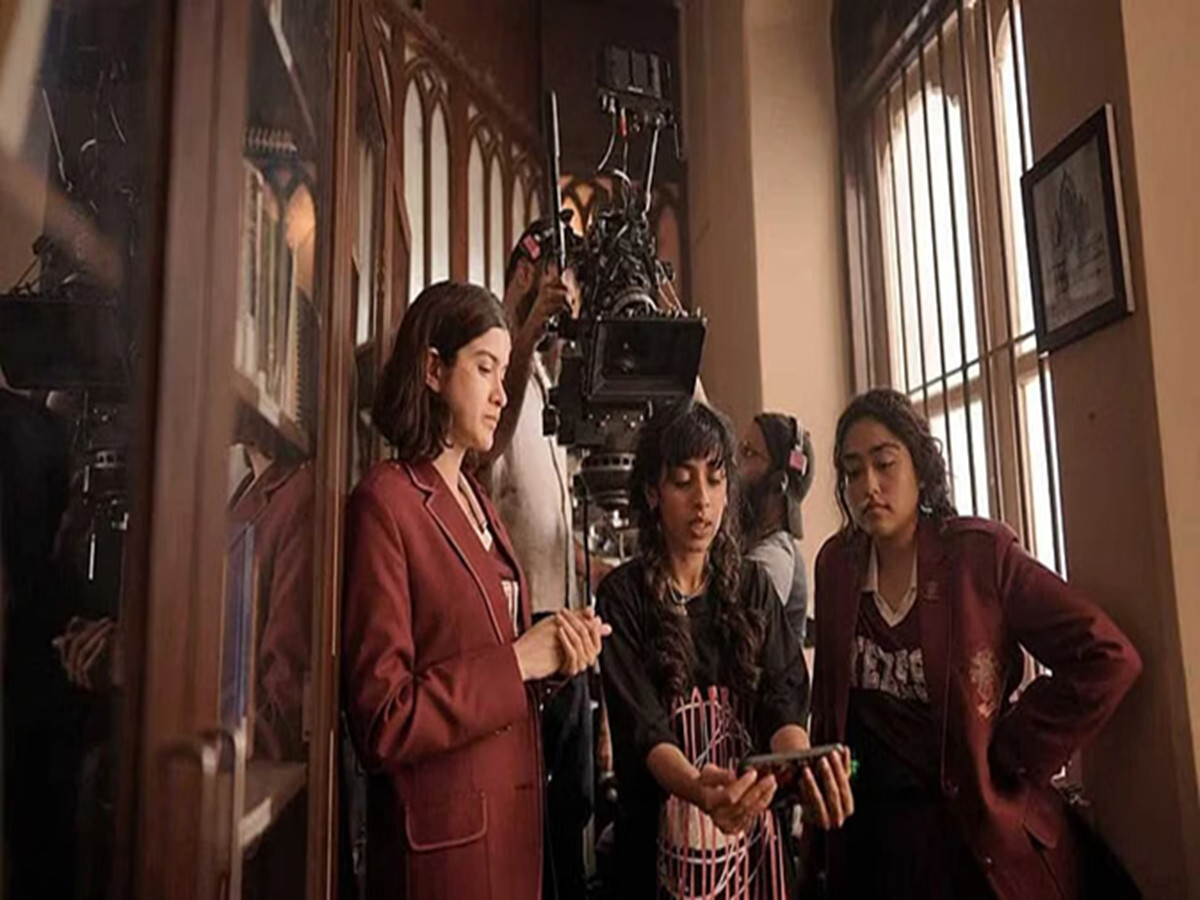
The second installment, released in 2019, starred Tiger Shroff, Ananya Panday, and Tara Sutaria. Now, the franchise has taken a different turn; 'Student of the Year: After Dark' lacks the original romance and glamour. Instead, the story revolves around the death of a girl and a dangerous game being played within the school.
This six-episode series is filled with mystery, masked figures, and various secrets that are gradually unveiled. Is it worth watching? Read the full review to find out.
Plot:
The body of Ayesha Malik (Shanaya Kapoor)—a former child artist and student at St. Teresa Heritage School—is discovered in Barkhali Lake. The police close the case, labeling it a suicide. Her twin sister, Aditi (also played by Shanaya Kapoor), is not convinced. Despite a long-standing estrangement between the sisters, Aditi enrolls in the same school under a concealed identity to uncover the truth.
There, she learns about a clandestine competition called 'Student of the Year,' orchestrated by masked individuals. Students are subjected to perilous challenges, with the promise that the winner’s greatest desire will be fulfilled. Aditi joins the game, during which she uncovers several dark secrets—including the use of 'tracker tokens' to monitor students and the tampering of CCTV systems. A clue found on her sister Ayesha’s phone further complicates the mystery surrounding her death.
A New Look for the Franchise
In the first film, the students’ primary ambition was to win the trophy. This time, the game is far more dangerous. Every student harbors their own desires—some crave popularity, while others yearn to transform their lives. Masked figures exploit these very aspirations; this concept sets the series apart from its predecessors.
The affluent school environment, the intense rivalry among students, and their hidden secrets form the core of the narrative. However, the focus here leans more toward mystery and crime than on friendship or romance. This shift represents a fresh direction for the franchise, successfully sustaining intrigue—at least in the beginning.
Acting:
This series serves as a significant opportunity for Shanaya Kapoor. Portraying twin sisters in a single show is no easy task; the responsibility of distinguishing the personalities of Ayesha and Aditi rests entirely on her. While Shanaya makes an effort, her performance currently lacks the necessary nuance and emotional depth. In many scenes, her facial expressions remain largely the same.
Her delivery also lacks variation; whether the emotion is sorrow or anger, her tone remains consistent. Consequently, she struggles to connect with the audience during emotional sequences. Simply landing a dual role is not, in itself, a major acting achievement—the true test lies in establishing distinct identities for each character.
Seasoned actors like Sheeba Chaddha, Harsh Chhaya, and Vivek Gomber lend strength to their scenes. The younger cast includes Divik Sharma, Manya Grover, Abhinav Singh, Diya Damini, and Aadi Malik. That said, not every character is given an equal opportunity to fully explore their own backstory.
Direction and Technical Aspects:
Director Reema Maya has previously helmed short films such as 'Counterfeit Kunkoo' (2018) and 'Nocturnal Burger' (2023)—both of which premiered at the Sundance Film Festival. With 'Student of the Year: After Dark,' she makes her foray into the world of web series. The good thing is that, rather than simply repeating the previous iteration of the franchise, Reema has shaped this into a thriller. The attempt to expose the sinister games unfolding behind the polished facade of the school is well-executed. The presence of masked figures adds an element of mystery to the narrative. Technically, the series is strong; the use of lighting—particularly in the dark scenes and the red-hued sequences during the games—creates an effectively eerie atmosphere. The cinematography is impressive, and the background score successfully heightens the tension in several scenes. Additionally, some of the rap tracks complement the fast-paced sequences quite well.
Screenplay:
While the core concept of the series is solid, its execution on screen falls short in some areas. The way the students' own desires and vulnerabilities are weaponized against them makes for an intriguing premise. However, the introduction of numerous characters and their respective secrets all at once early on...
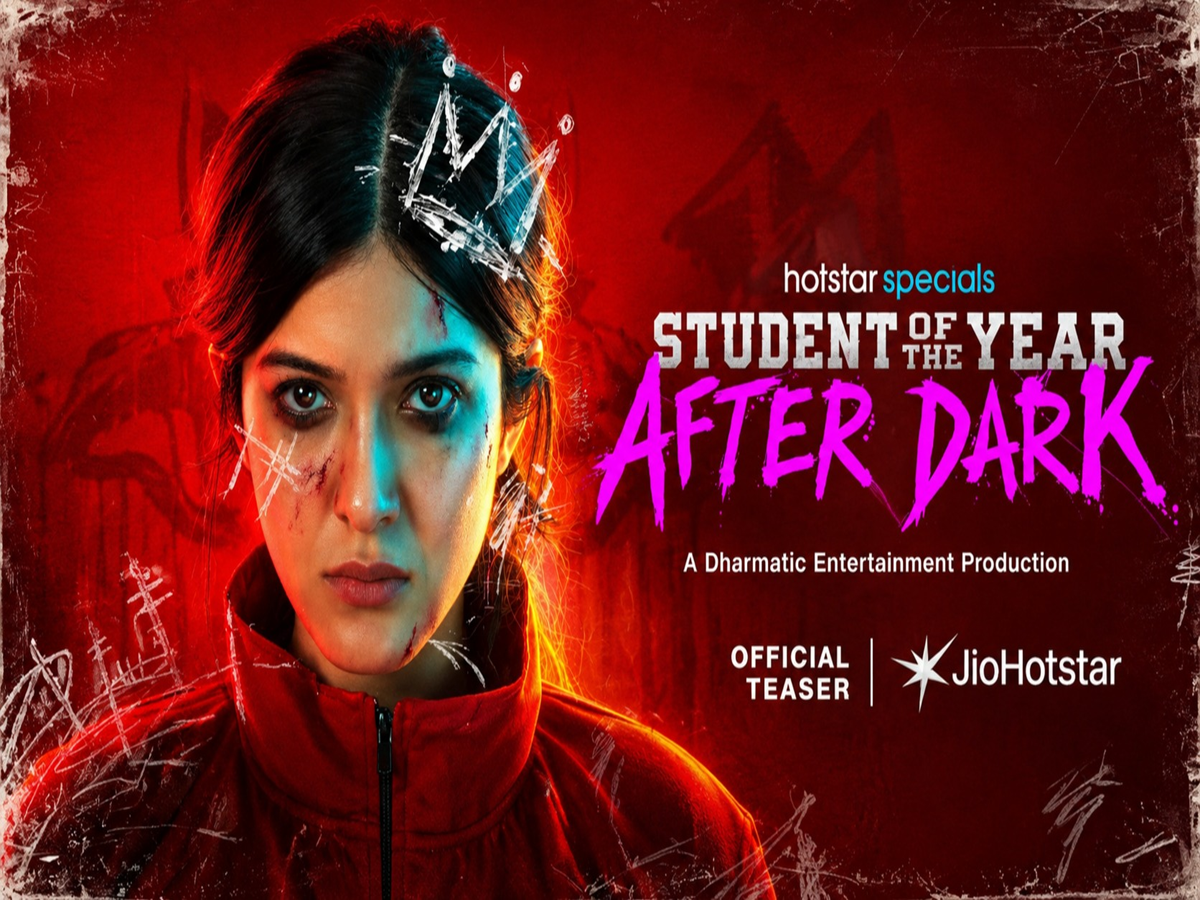
...makes the narrative somewhat convoluted. In certain parts, the mystery is stretched out more than necessary. The story finds its footing from the fourth episode onwards, and interest intensifies during the final two episodes.
PC Social Media