
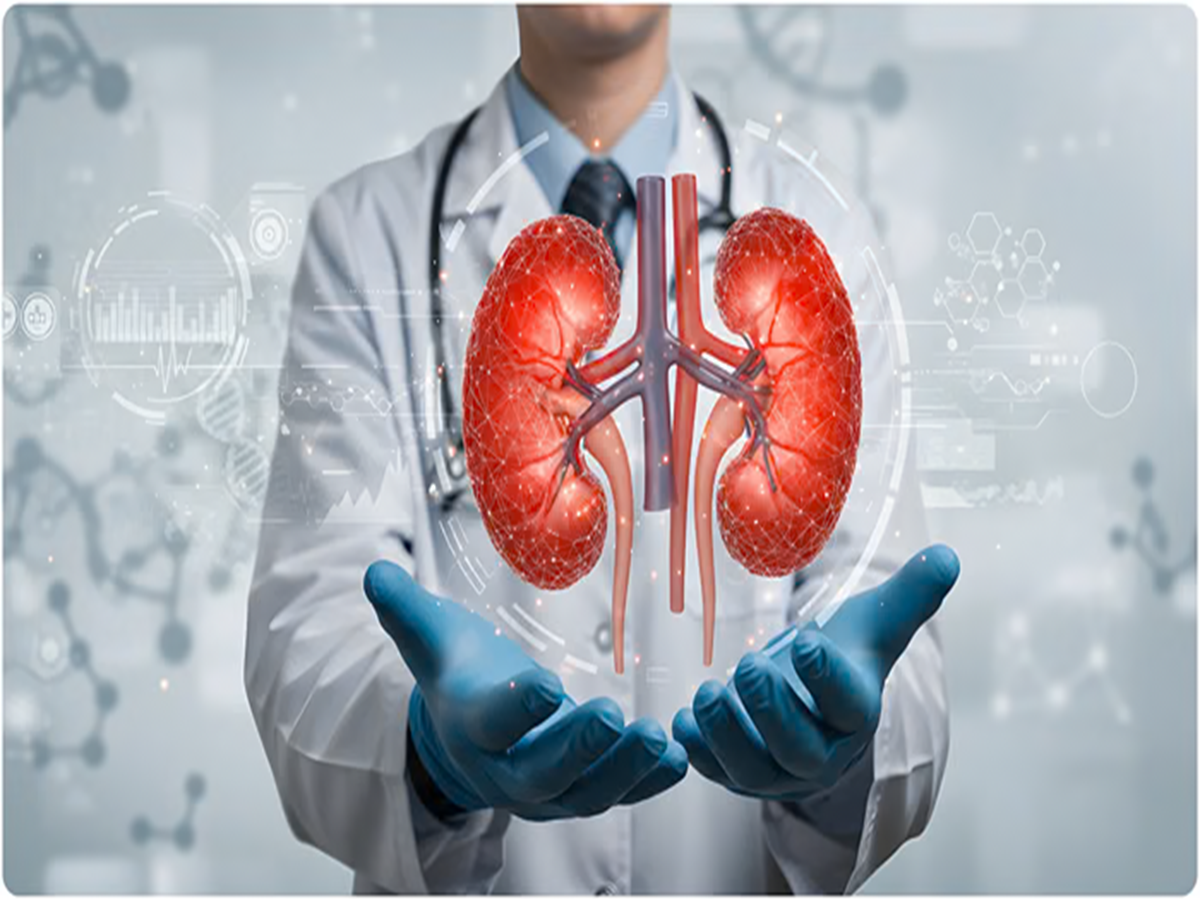
Early Signs of Kidney Disease: The kidneys are among the most vital organs in the human body; they filter the blood to remove toxins and excess water. When kidney function begins to decline, various changes may manifest in the body.
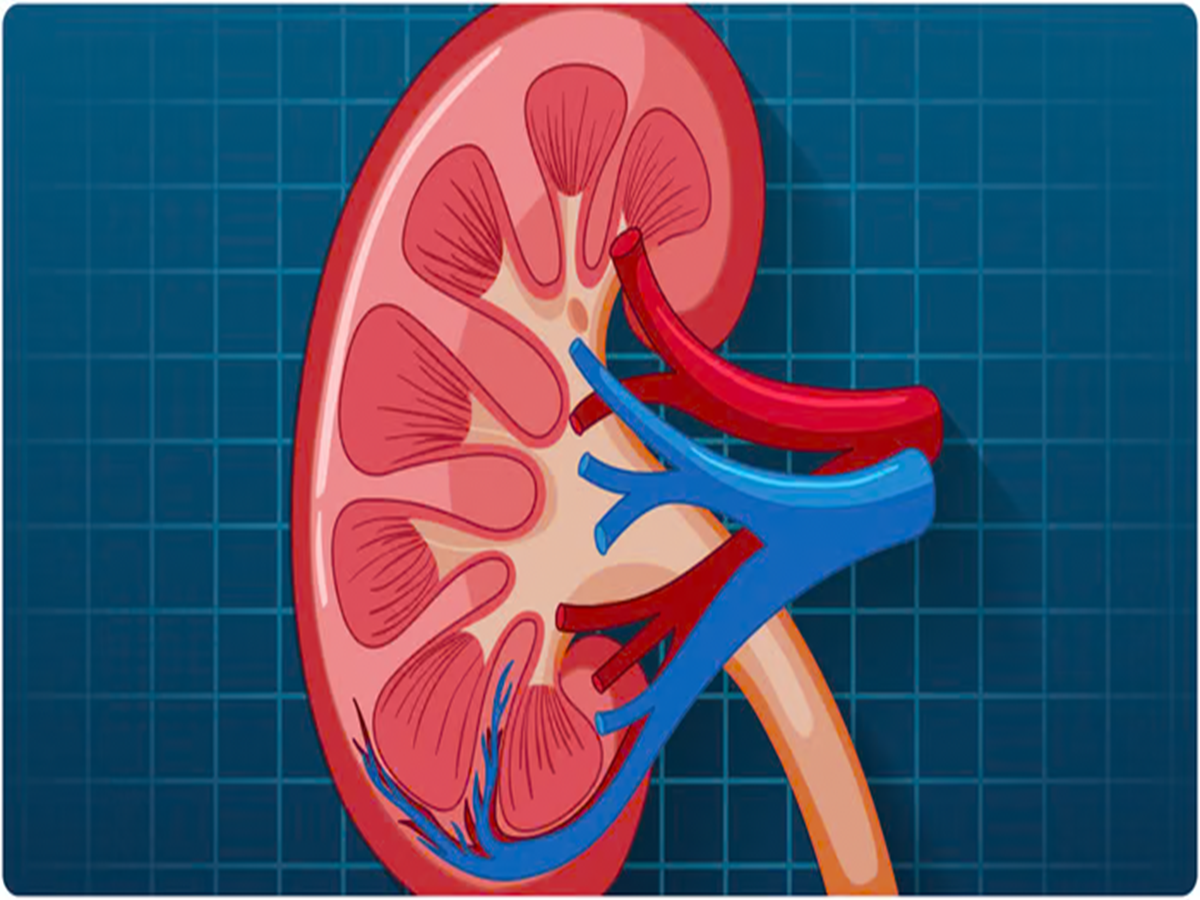
Notably, early signs of kidney disease can often be observed in one's urine. While not every change necessarily indicates kidney disease, ignoring these signs can lead to serious consequences. In this article, we will explore changes in urine that could serve as early indicators of kidney disease, kidney damage, or kidney failure.
7 Early Signs of Kidney Disease Visible in Urine
Kidney issues can cause changes in the color, volume, and nature of urine. Let’s examine these:
1. Excessive Foaming in Urine
If you frequently notice a significant amount of foam in your urine that does not dissipate quickly, it should not be ignored. This may be a sign of proteinuria—the presence of protein in the urine. Healthy kidneys filter waste products from the blood while retaining essential proteins within the body. However, when the kidneys' filtering mechanism is impaired, protein may begin to leak into the urine.
2. Blood in the Urine
Urine appearing pink, red, or brown can be a cause for concern. In medical terms, this is known as hematuria. It may be caused by kidney infections, stones, inflammation, or other urinary tract issues. If you notice blood in your urine, you should consult a doctor for an evaluation, even if you are not experiencing any pain.
3. Changes in Urine Color
Typically, urine is pale yellow in color. If your urine consistently appears dark yellow, brown, or tea-colored, it is important to investigate the underlying cause. Dehydration, certain medications, infections, and issues related to the kidneys or liver can cause changes in the color of your urine.
4. Frequent Urination
If you find yourself needing to urinate more often than usual—especially at night—there could be several underlying reasons. When kidney function is impaired, the kidneys may lose their ability to concentrate urine. Additionally, conditions such as diabetes, urinary tract infections (UTIs), or prostate issues can lead to frequent urination.
5. Decreased Urine Output
A sudden decrease in the amount of urine produced can be a sign of impaired kidney function. This may be caused by serious kidney issues, dehydration, or an obstruction in the urinary tract. Seek immediate medical attention if your urine output drops significantly or stops altogether.
6. Frequent Nighttime Urination
Do not ignore the need to wake up multiple times during the night to urinate. Kidney disease can affect the kidneys' ability to concentrate urine, which may result in increased nighttime urination. However, this can also be related to factors such as age, diabetes, or other health conditions.
7. Unusual Odor in Urine
If your urine consistently has a strong or unusual odor, it could be due to a urinary tract infection, dehydration, or dietary factors. Consult a doctor if this odor is accompanied by symptoms such as a burning sensation, fever, blood in the urine, or pain in the lower back.
Other Early Signs of Kidney Impairment
In addition to changes in urination, other symptoms may manifest in the body when kidney disease is present:
Swelling in the face and legs: When the kidneys are unable to effectively remove excess water and salt from the body, it can lead to swelling (edema).
Persistent fatigue: Kidney disease can lead to weakness, often due to anemia or other physiological changes.
Reduced appetite: The accumulation of waste products in the body can affect your appetite.
Nausea: When kidney function is severely impaired, it can cause nausea and vomiting.

Itchy skin: An imbalance of waste products and minerals in the body can lead to itching.
Muscle cramps: Kidney issues can cause electrolyte imbalances, which may result in muscle cramps.
Keep in mind that, in the early stages of kidney disease, there are often no noticeable or clear symptoms.
PC Social Media