LIFESTYLE
World Diabetes Day: Early signs of diabetes that people often mistake for common, minor ailments..

Early Signs of Diabetes: Diabetes is one of the rapidly growing health concerns today. A concerning aspect is that many people fail to recognize the symptoms of the disease in its early stages. Often, individuals overlook these signs, attributing them to general weakness or the effects of a changing lifestyle.
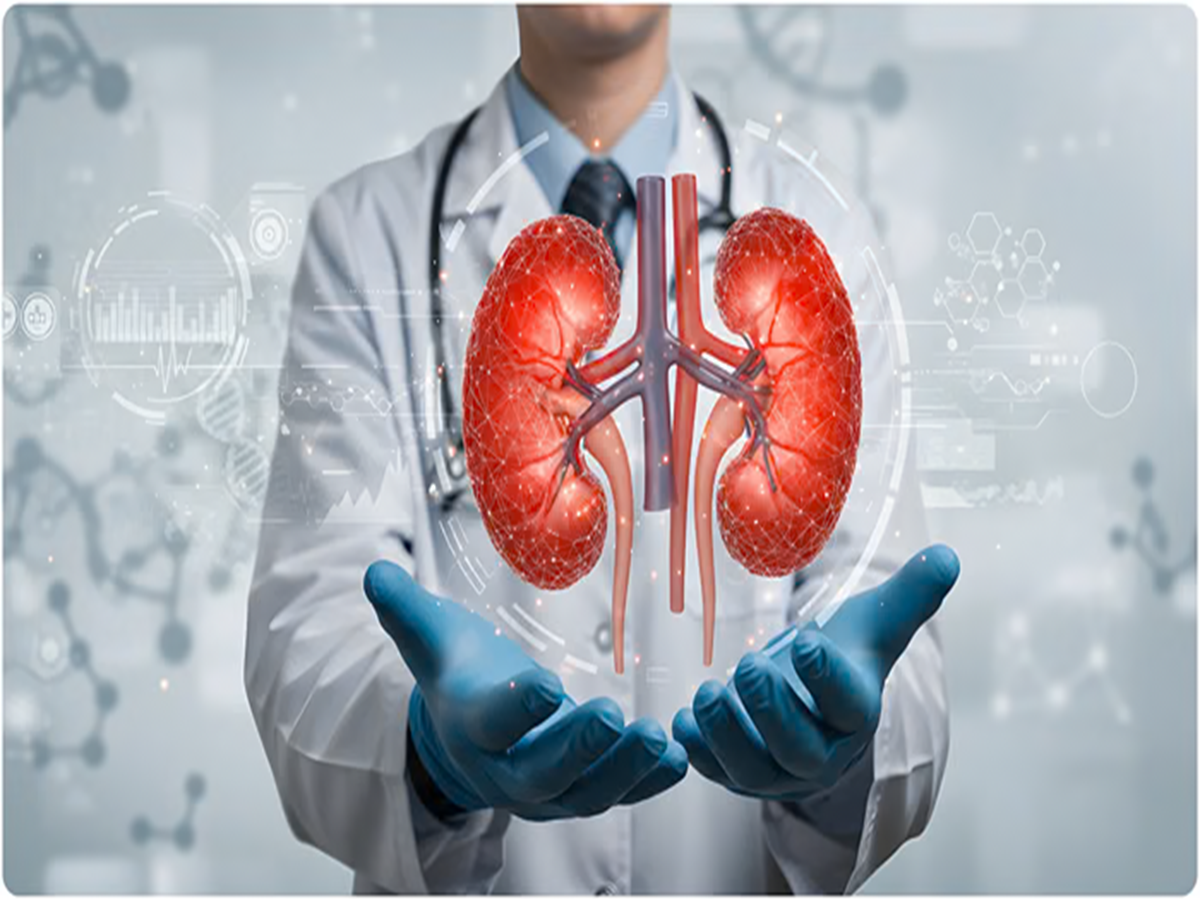
Prolonged high blood sugar can have serious consequences for the heart, kidneys, eyes, and nerves. Therefore, it is crucial to identify diabetes in a timely manner. Let us explore the early signs of diabetes, the signals the body provides when blood sugar levels rise, who is at higher risk, and what measures can be taken for prevention.
Early Signs of Diabetes
When a person has diabetes, the level of blood sugar—or glucose—in their body begins to rise. Some common early symptoms include:
1. Frequent Urination
When blood sugar levels rise, the kidneys attempt to flush out the excess glucose through urine. This can lead to frequent urination. Waking up multiple times during the night to urinate can also be an indicator.
2. Excessive Thirst
Frequent urination can lead to dehydration. As a result, a person may experience persistent thirst, and their mouth may feel dry even after drinking water.
3. Unexplained Weight Loss
Losing weight without dieting or exercise is a potential sign of diabetes. When the body is unable to utilize glucose effectively, it begins to break down fat and muscle tissue for energy.
4. Constant Fatigue
Feeling tired and weak, even after getting adequate sleep, can be a sign of high blood sugar. This occurs because the body's cells are not receiving sufficient energy.
5. Frequent Hunger
In diabetes, due to a deficiency of insulin or its inability to function correctly, the body cannot properly utilize glucose. This can cause a person to feel hungry frequently.
6. Blurred vision
An increase in blood sugar levels can cause changes in the lenses of the eyes, which may lead to blurred vision.
7. Delayed wound healing
Diabetes can affect blood circulation and the body's ability to fight infections. As a result, injuries or wounds may take longer than usual to heal.
8. Frequent infections
Recurring infections—such as those affecting the skin, gums, or urinary tract, as well as fungal infections—can also be linked to diabetes.
Signs of high blood sugar
When blood sugar levels in the body exceed the normal range, certain signs may appear:
Dryness in the mouth and throat
Frequent thirst
Frequent urination
Headache and fatigue
Blurred vision
Itchy skin
Weakness and lethargy
If blood sugar levels become extremely high and are accompanied by symptoms such as vomiting, abdominal pain, rapid or deep breathing, a fruity odor on the breath, or confusion, seek emergency medical assistance immediately. These could be signs of a serious condition known as diabetic ketoacidosis.
Major risk factors for diabetes
Some individuals are at a higher risk of developing diabetes than others:
Obesity: Excess body weight, particularly fat accumulated around the abdomen, increases the risk of type 2 diabetes.
Family history: Having parents or siblings with diabetes can increase your risk.
Lack of physical activity: Leading a sedentary lifestyle—such as sitting for long periods and not exercising—increases the risk.
Unhealthy diet: Consuming excessive amounts of sugar, refined carbohydrates, and processed foods can negatively impact body weight and metabolic health.
Advancing age: The risk of type 2 diabetes tends to increase with age, although it can also occur in younger individuals. Prediabetes: Having blood sugar levels that are higher than normal but below the threshold for a diabetes diagnosis is called prediabetes. This condition carries an increased risk of developing type 2 diabetes.
Key Risk Factors for Diabetes
Some individuals are at a higher risk of developing diabetes than others.
Obesity: Excess body weight and the accumulation of fat around the abdomen increase the risk of type 2 diabetes.
Family History: Having parents or siblings with diabetes can increase your risk.
Lack of Physical Activity: Prolonged periods of sitting and a lack of exercise also increase the risk.
Unhealthy Diet: Consuming high amounts of sugar, refined carbohydrates, and processed foods can negatively affect body weight and metabolic health.

Advancing Age: The risk of type 2 diabetes may increase with age, although it can also occur in younger people.
Prediabetes: A condition where blood sugar levels are higher than normal but below the threshold for a diabetes diagnosis is known as prediabetes. This state carries a higher risk of developing type 2 diabetes.
PC Social Media