LIFESTYLE
Adhik Maas 2026: Worship Shaligram and Tulsi during Adhik Maas, and the blessings of Lord Vishnu and Goddess Lakshmi will shower upon you.
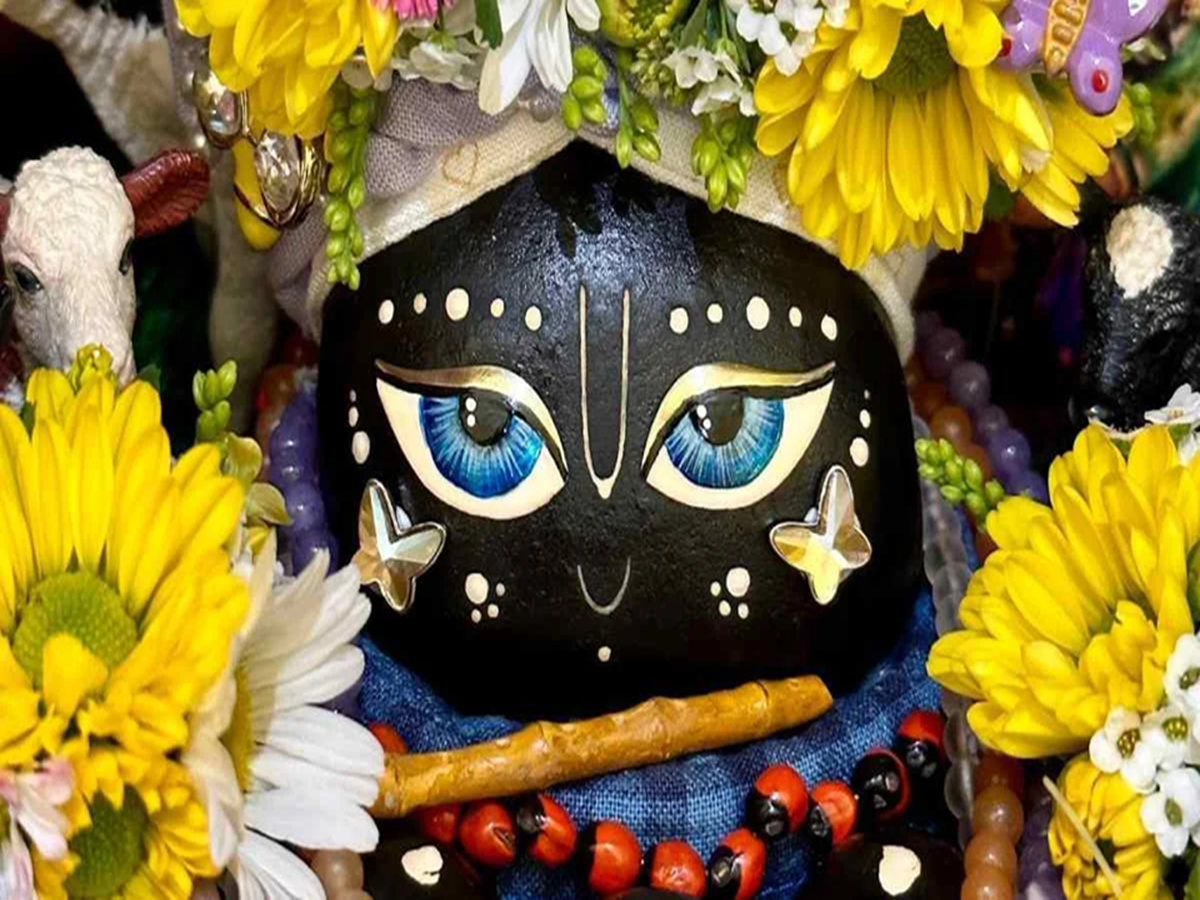
Adhik Mass 2026: According to the Hindu Panchang (almanac), the basis for *Malmas* or *Adhik Mass* lies in the movements of the Sun and the Moon. The solar year consists of 365 days and approximately 6 hours, whereas the lunar year is considered to be 354 days long. There is a difference of 11 days between these two types of years, and over a period of three years, this cumulative difference amounts to one full month. To reconcile this discrepancy, an intercalary lunar month occurs every three years; this month is known as *Malmas*. Lord Vishnu is regarded as the presiding deity (*Adhipati Swami*) of *Adhik Mass*. *Purushottam* is one of the names of Lord Vishnu himself; for this reason, *Adhik Mass* is also referred to as *Purushottam Mass*. According to the scriptures, worshipping Lord Vishnu during this month is said to yield manifold spiritual rewards.
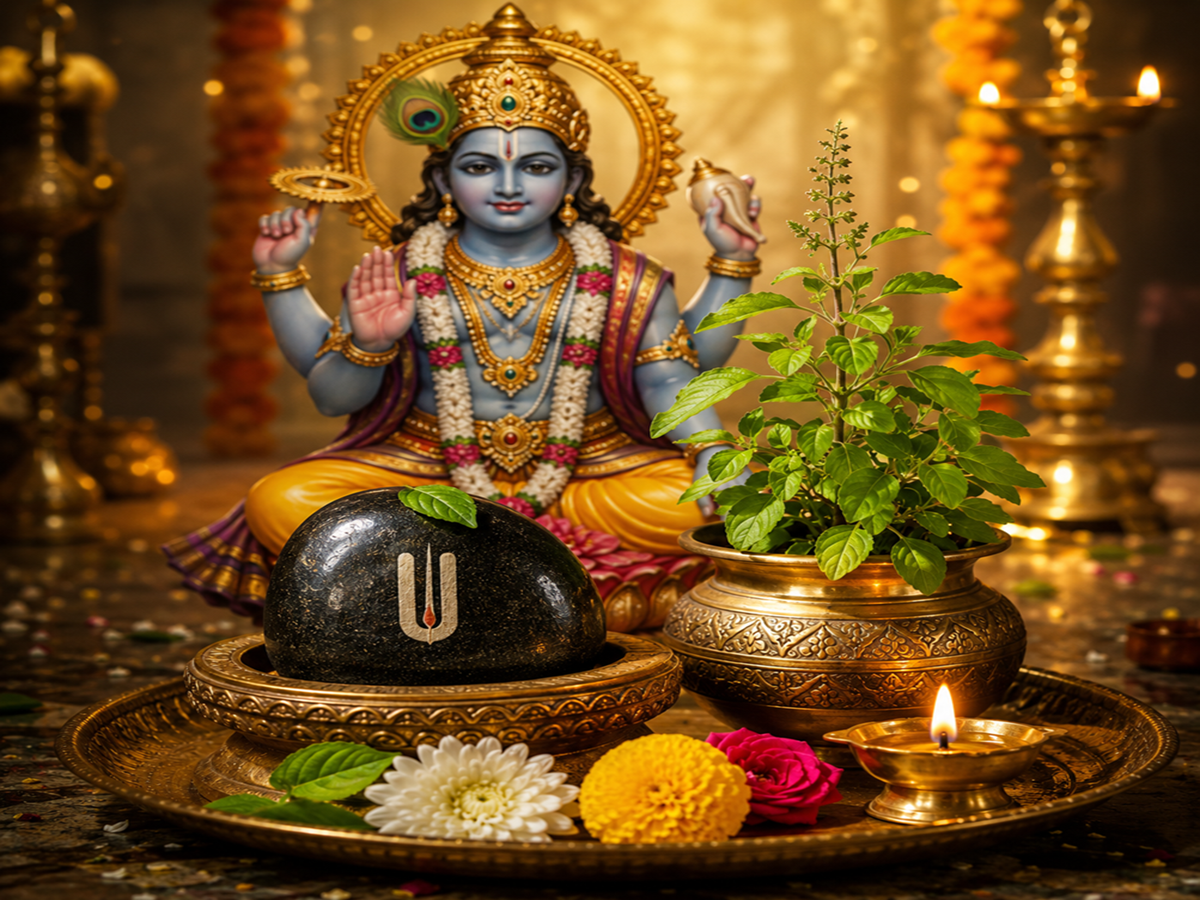
**The Shaligram: Considered the Manifest Form of Lord Vishnu**
According to the *Skanda Purana*, the *Shaligram* is regarded as the direct and self-manifested form of Lord Vishnu. The *Shaligram* stone, typically sourced from the Gandaki River, is considered to be extremely sacred. It is believed that wherever a *Shaligram* is enshrined, Lord Vishnu establishes his permanent abode there. The *Padma Purana* states that worshipping the *Shaligram* yields spiritual merit equivalent to performing numerous *Yajnas* (sacrificial rituals). During *Purushottam Mass*, performing the *Abhishek* (ritual bathing) of the *Shaligram*—using water, *Panchamrit* (a sacred mixture of five ingredients), sandalwood paste, and *Tulsi* (holy basil) leaves—is considered particularly meritorious. Chanting the mantra "Om Namo Bhagavate Vasudevaya" during this period is said to please Lord Vishnu swiftly.
**The Abode of Goddess Lakshmi in the Tulsi Plant**
According to the *Padma Purana* and the *Brahma Vaivarta Purana*, the *Tulsi* plant is revered as a manifestation of Goddess Lakshmi. Religious tradition holds that the worship of Lord Vishnu is considered incomplete without the inclusion of *Tulsi* leaves. According to a legend, Goddess Tulsi performed rigorous penance to attain Lord Vishnu as her husband; subsequently, Lord Hari (Vishnu) accepted her as his beloved companion forever. For this reason, *Tulsi* holds a place of special significance in every offering (*Bhog*) and act of worship dedicated to Lord Vishnu. During *Purushottam Mass*, worshipping the *Tulsi* plant—by offering water and lighting a lamp (*Diya*) at dusk—is believed to bring peace, harmony, and prosperity to the home.
The Significance of Worship and Observances During Purushottam Mas
According to the *Narada Purana*, worshipping Lord Vishnu with strict adherence to prescribed rituals during Purushottam Mas (the intercalary month) absolves one of sins accumulated over many lifetimes. During this month, it is considered highly auspicious to bathe at dawn, wear yellow garments, and worship the Shaligram stone and the sacred Tulsi plant. Offerings such as yellow flowers, split Bengal gram (Chana Dal), *Panchamrit* (a sacred concoction), and Tulsi leaves are presented to Lord Vishnu. Furthermore, the recitation of the *Vishnu Sahasranama*, the *Srimad Bhagavatam*, and the *Bhagavad Gita* is accorded special significance. According to the scriptures, observing fasts, performing acts of charity, and participating in spiritual gatherings (*Satsang*) during this month yields imperishable spiritual merit.
**The Special Spiritual Rewards Described in the Scriptures**
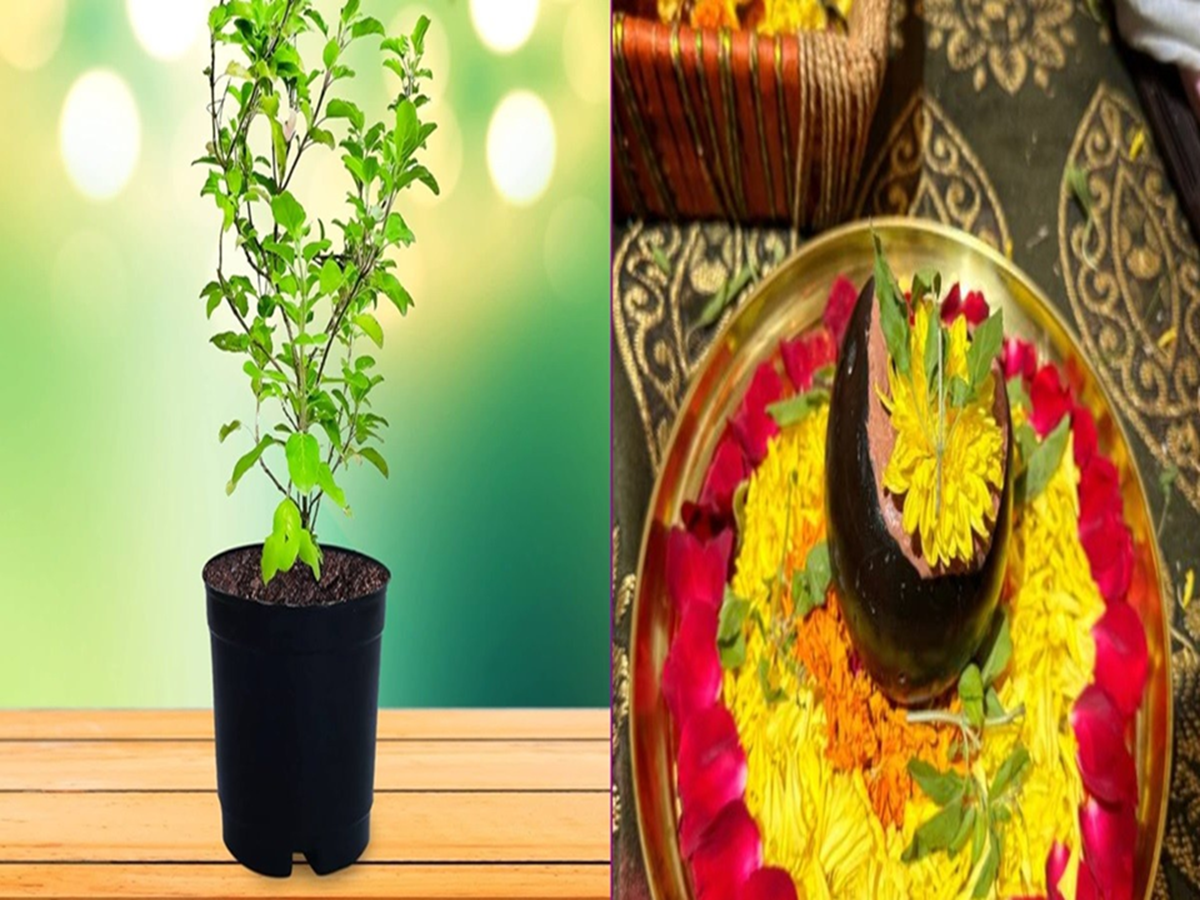
The *Skanda Purana* describes that an individual who performs the joint worship of the Shaligram and Tulsi during Purushottam Mas receives the special grace of both Lord Vishnu and Goddess Lakshmi. It is believed that this practice invites an abundance of wealth, grains, happiness, prosperity, and positive energy into the home. From a religious perspective, this month is regarded as a supreme opportunity for self-purification, devotion, and spiritual practice (*Sadhana*). This is precisely why devotees attach such great importance to the worship of Lord Vishnu and Tulsi throughout the entire duration of Purushottam Mas.
Food & Recipe