
LIFESTYLE
After 100 years, the shadow of lunar eclipse will fall on Holi, how will Holika Dahan be done during the Sutak period?

People wait year-round for Holika Dahan. This festival of brotherhood symbolizes the victory of good over evil, occurring on the full moon day of the month of Phalgun. In 2026, a lunar eclipse will occur on Holi, which is going to be very special. This time, after 100 years, a coincidence is occurring that both Holika Dahan and Holi of Colors will be overshadowed by the lunar eclipse. According to astrology, the Sutak period will begin nine hours before the lunar eclipse. During the Sutak period, worship, prayers, and religious activities are prohibited. Temple doors are closed during the Sutak period, and religious rituals are prohibited. Let's find out how Holi worship, Holika Dahan, and Holi of Colors will be celebrated.

Where will it affect?
The first lunar eclipse of 2026 will begin at 3:20 pm on March 3 and will last until 6:47 pm. According to astrological calculations, the Sutak period will begin at 6:20 am, nine hours before the eclipse, and will remain in effect until the end of the lunar eclipse. This lunar eclipse, lasting 3 hours and 27 minutes, will be visible for approximately 30 to 35 minutes at moonrise in India, from Delhi, Maharashtra, Uttar Pradesh, Uttarakhand, and the northeastern states. According to astrological belief, temple doors are closed during the eclipse. Performing puja is considered a sin.
Holika Dahan is performed on Falgun Purnima, the auspicious time for which is from 6:48 am to 8:50 am on March 3rd. While some calendars place the time for Holika Dahan during the Pradosh period, starting at 5:56 am on the full moon day on March 2nd, Bhadra will be prevalent on March 2nd. According to astrological calculations, Bhadra is considered during Holika Dahan and Raksha Bandhan.
Holika Dahan takes place on Falgun Purnima, but due to the shadow of Bhadra on March 2nd and the lunar eclipse on March 3rd, Local18 spoke with Haridwar-based astrologer Pandit Pratik Mishra about when Holi puja should be performed. He explained that Holika Dahan takes place during the Bhadra-free period, meaning Holika Dahan and Holi puja are not performed during Bhadra and Sutak periods, as women perform Holi puja for the longevity, happiness, and prosperity of their children. Coincidentally, in 2026, Bhadra will occur on March 2nd, and the lunar eclipse on March 3rd, creating confusion among people regarding Holika puja.
Astrologer Pandit Pratik Mishra explains that according to some calendars, Holika Dahan can be performed on March 2nd during Bhadra, while others suggest it would be appropriate to perform it on March 3rd after the lunar eclipse. In this case, both opinions are consistent. If such a combination arises, Holika Dahan can be performed during Bhadra. Holika Dahan can be performed during Pradosh Kaal the next day, as soon as the eclipse ends. If the full moon date ends after the eclipse, the full benefits of Holika Dahan are achieved.
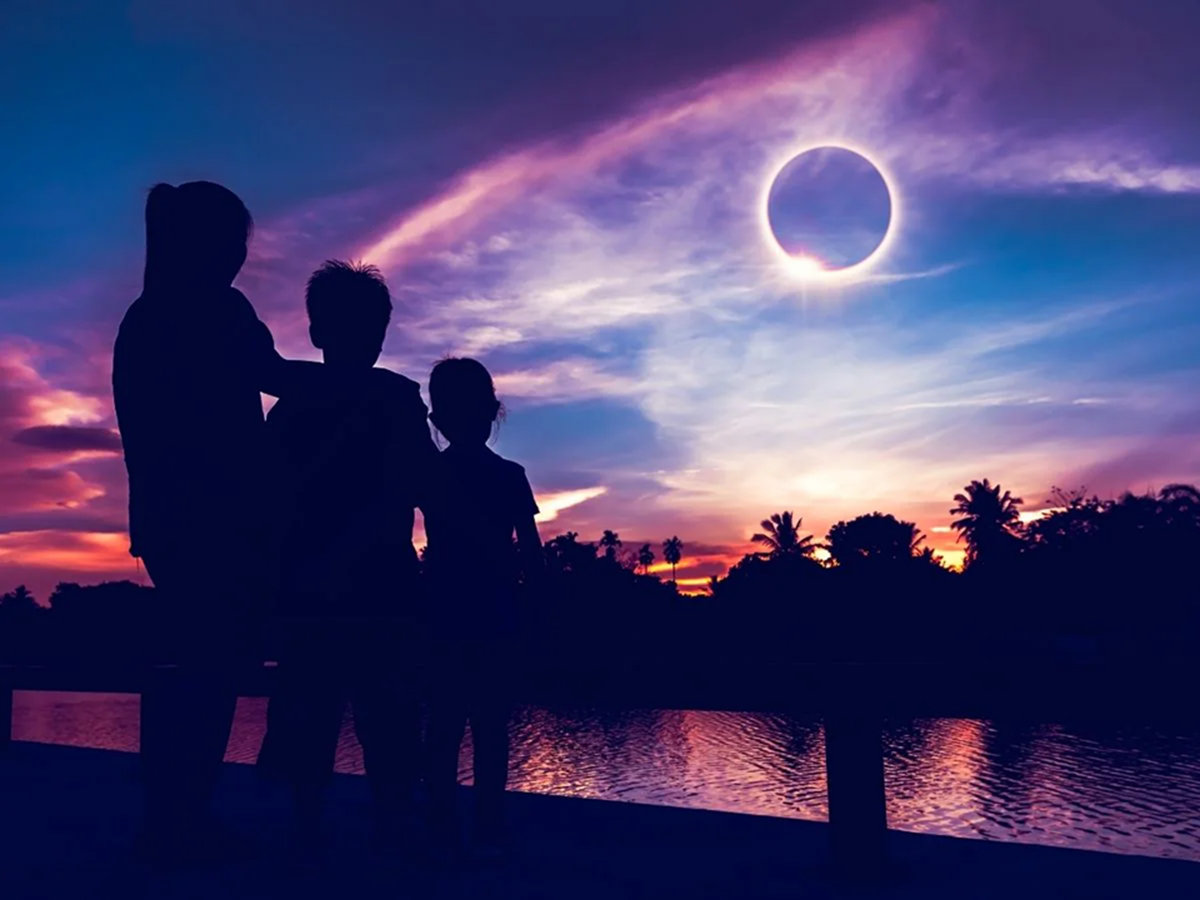
According to Astrologer Pandit Pratik Mishra, such a situation occurs every few years. This year, there will be no sin if Holika Dahan is performed under the shadow of Bhadra. The full moon date will begin at 5:56 pm on March 2nd and will last until 5:07 pm on March 3rd. Since the Bhadra Dosha will prevail on the night of March 2nd, and March 3rd is the Udaya Tithi of the full moon date, according to major calendars, it will be safe to perform Holika Dahan after the Sutak period of the lunar eclipse ends under the influence of the Udaya Tithi on March 3rd. Even though the full moon date has already ended at that time, the day will be the Udaya Tithi of the full moon date.
Holika Dahan can be performed in both situations, but women will have to worship Holi a day before, i.e., on March 2, because the Sutak period of the eclipse will also start from 6:20 am on March 3, which will continue till the end of the lunar eclipse.
PC Social Media