
LIFESTYLE
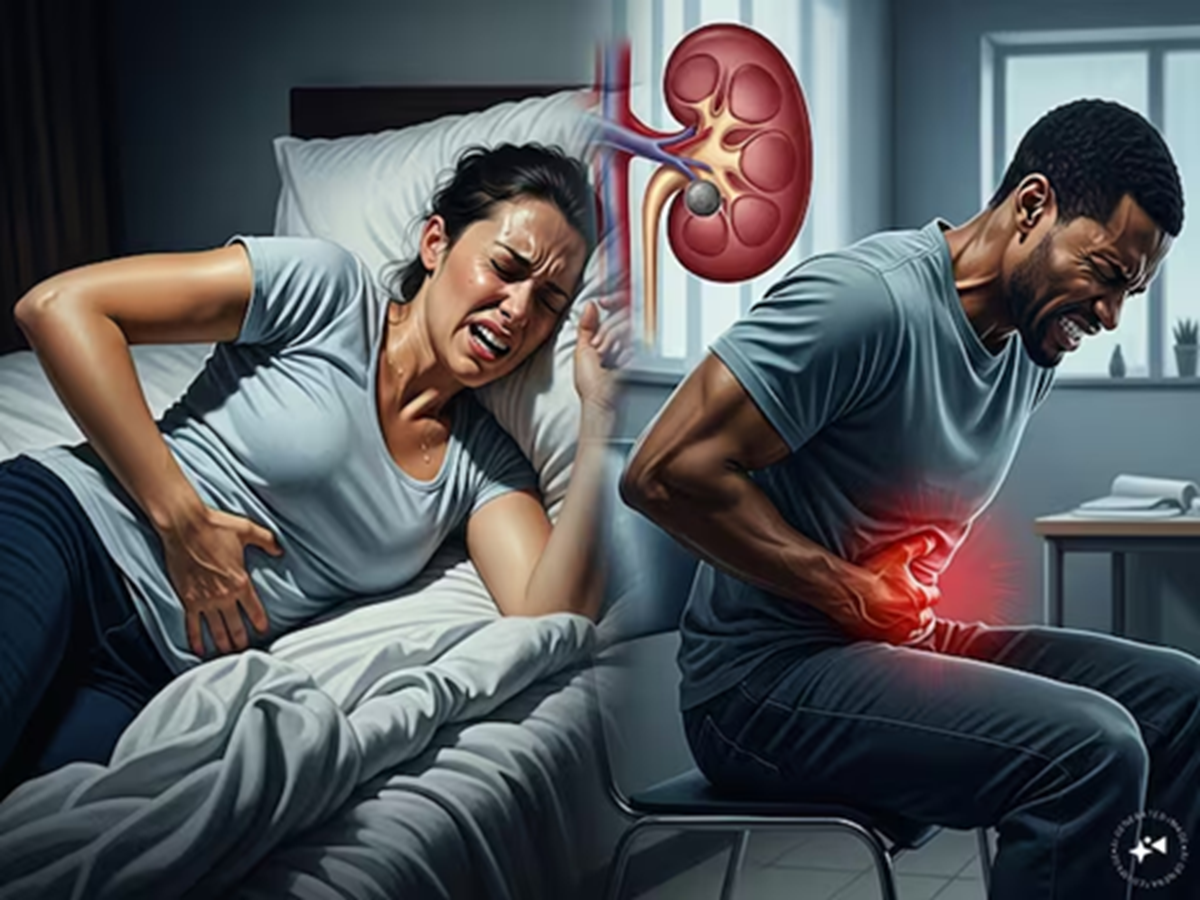
Are women or men at a higher risk of kidney stones? How much truth is there to this? Find out from a doctor..

Kidney Stone Causes: Kidney stones form when salts accumulate within our kidneys and fail to be expelled from the body. The prevalence of kidney stones is rising rapidly these days, with a significant number of young people falling victim to this condition. A poor lifestyle and an unhealthy diet are the primary causes of kidney stones. However, there are several other associated risk factors as well. A frequently asked question is whether kidney stones affect men more than women. Let's find out what the experts—specifically doctors—have to say on this matter.

Dr. Amarendra Pathak, Vice Chairman of the Department of Urology at Sir Ganga Ram Hospital in New Delhi, explains that men face a higher risk of developing kidney stones compared to women. This disparity is attributed to their distinct physiological structure and hormonal makeup. Men possess the hormone testosterone, which can stimulate the production of oxalate in the liver; this, in turn, increases the risk of stone formation. Furthermore, men typically consume a high-protein diet, which also contributes to an elevated risk of developing kidney stones. However, the difference in prevalence between men and women is not particularly vast. For instance, if there are 1,000 patients with kidney stones, approximately 550 might be men and 450 women. Nowadays, women are also increasingly falling prey to kidney stones.
The doctor noted that the lifestyles of both men and women have deteriorated significantly in recent times. People are consuming excessive amounts of junk food and sugary beverages, a trend that is driving the rise in kidney stone cases. Additionally, following menopause, women experience a decline in estrogen levels—a hormone that typically plays a protective role for the kidneys. Reduced estrogen levels can lead to increased calcium concentrations in the urine, thereby heightening the risk of stone formation. Although women face a lower risk of developing kidney stones compared to men, they are significantly more susceptible to developing Urinary Tract Infections (UTIs).
According to experts, regardless of whether you are a man or a woman, the preventive measures for avoiding kidney stones remain the same. To prevent kidney stones, improve your diet and adopt a healthier lifestyle. Drink 2 to 3 liters of water daily, reduce your intake of salt and non-vegetarian food, and consume calcium in balanced amounts. If you notice symptoms of kidney stones, consult a doctor and get yourself examined. If detected in time, kidney stones can be eliminated through medication.
PC Social Media