LIFESTYLE
Travel: From the Taj Mahal to the Qutub Minar! Your trip to India is incomplete without visiting these 5 monuments..

Tourist statistics provide invaluable insights into the cultural and historical sites across India that attract millions of visitors. The latest Delhi Economic Survey reveals that visitor numbers not only reflect current tourism trends but also underscore the enduring significance of monuments—structures shaped by Mughal architecture, temple craftsmanship, and centuries of sustained conservation efforts. Each site represents a chapter in India's heritage, where design and symbolism, combined with continuous preservation initiatives, ensure its survival amidst growing crowds and environmental pressures.

Taj Mahal, Agra, Uttar Pradesh: Attracting 6.26 million visitors, the Taj Mahal remains India's most beloved monument. Commissioned by Shah Jahan in 1632 in memory of Mumtaz Mahal, this structure—crafted from white Makrana marble—appears to change color with the shifting light, offering a magnificent spectacle at both sunrise and sunset. The symmetry of its domes, minarets, and *Charbagh* gardens presents a perfect balance.
Konark Sun Temple, Odisha: The Konark Sun Temple, visited by 3.57 million people, is renowned for its immense grandeur and allure. Built in the 13th century by King Narasimhadeva I, the temple is designed as a colossal stone chariot dedicated to the Sun God; it features 12 intricately carved stone wheels and seven horses that appear to be in motion. Although parts of the temple have succumbed to the ravages of time, the surviving structure—constructed from Khondalite stone—continues to keep alive both sacred mythological narratives and the vibrant spirit of the temple's past.
Qutub Minar, Delhi: Attracting 3.2 million visitors, the Qutub Minar has graced the Delhi skyline since 1199. Initiated by Qutb-ud-Din Aibak and subsequently completed by his successors, this minaret features sandstone columns that taper upwards, culminating in a magnificent stone finial. The surrounding complex—which also houses the Quwwat-ul-Islam Mosque and the Iron Pillar—encapsulates centuries of history within a single site.
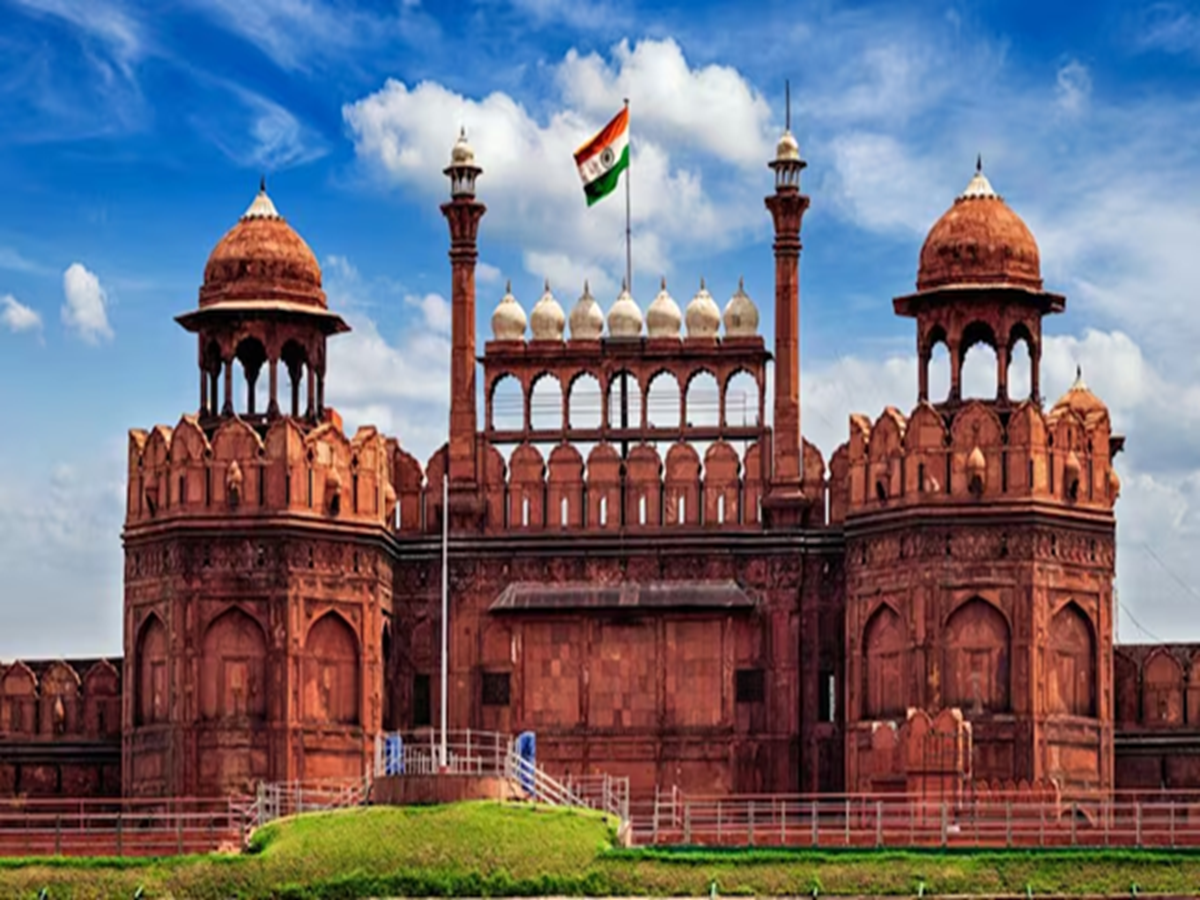
Red Fort, Delhi: Attracting 2.88 million visitors, the Red Fort stands as a vibrant symbol of modern India, while simultaneously serving as a living testament to its rich Mughal heritage. Built in 1648 as the imperial capital of Shah Jahan, this red sandstone fortress was once teeming with palaces, assembly halls, and gardens, where royal ceremonies were celebrated with great pomp and grandeur. Even today, the echoes of past ceremonies can still be heard within spaces such as the Diwan-i-Aam and the Diwan-i-Khas.
Bibi Ka Maqbara, Maharashtra: Often referred to as the "Taj of the Deccan," Bibi Ka Maqbara offers a serene alternative to Agra's renowned monument for those seeking a unique experience. It was commissioned in the late 17th century by Prince Azam Shah in memory of his mother, Dilras Banu Begum. It remains a fascinating destination for both scholars and admirers alike; however—unlike its famous lookalike—its construction involved the extensive use of basalt stone, with marble utilized sparingly, primarily at the base of the structure.