LIFESTYLE
Ayurveda Bathing Rules: Which part of the body should water be poured on first while bathing?
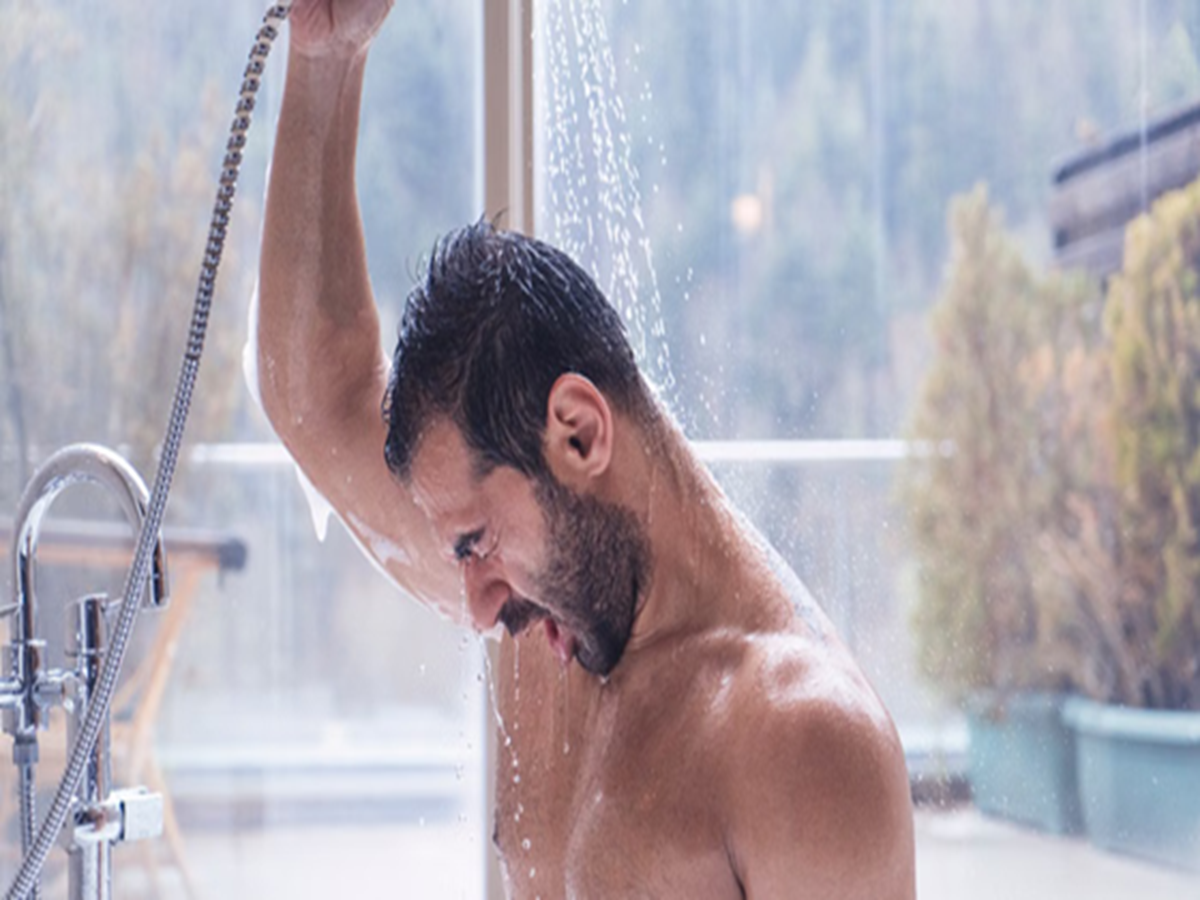
The Right Way to Bathe: Bathing is an essential part of our daily routine, but have you ever considered that the *way* you bathe can impact your health? Ayurveda offers numerous insights into body care, including the proper procedure for bathing.
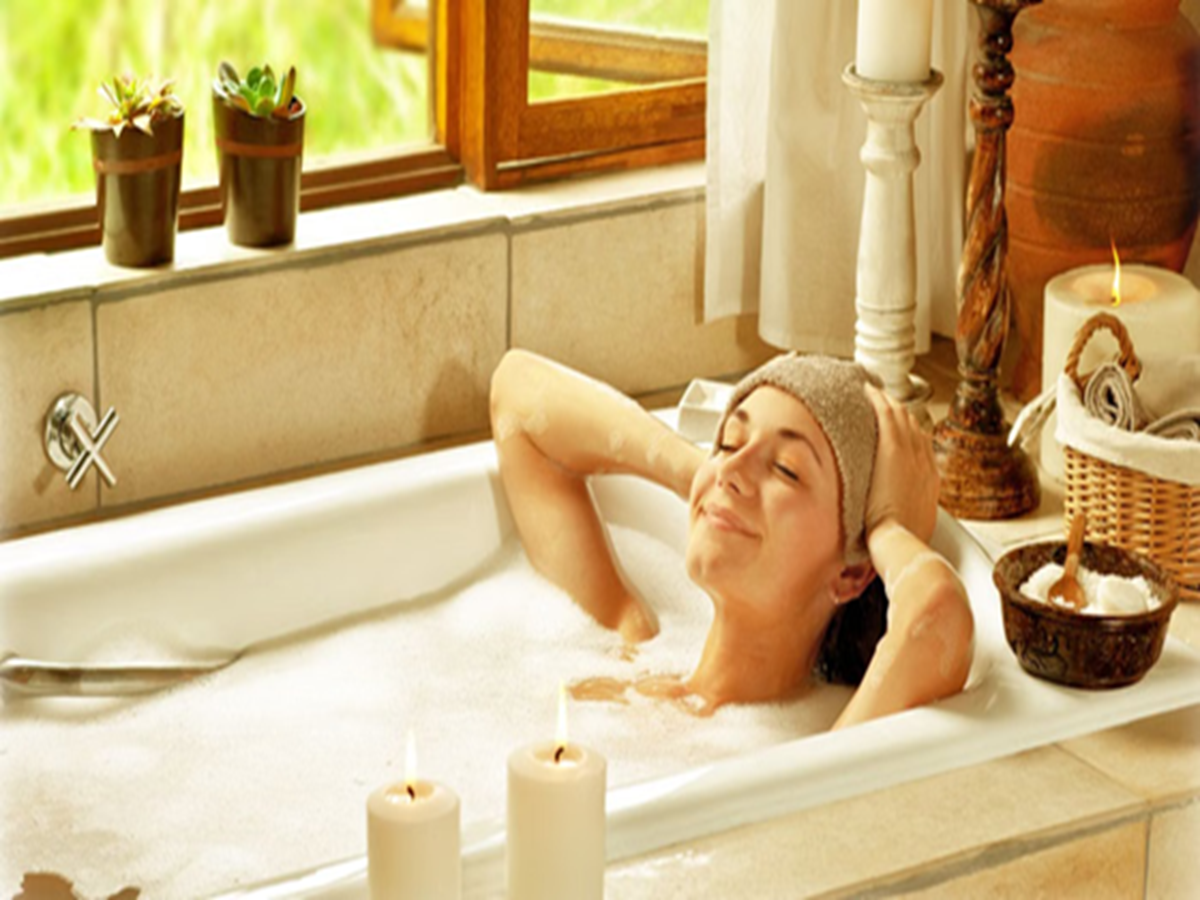
Many people start their bath by pouring water directly onto their heads, but Ayurveda suggests a specific sequence based on body temperature and blood circulation. It is believed that suddenly pouring cold water on the head can have adverse effects, particularly for individuals prone to colds, headaches, or blood pressure issues.
However, since every individual's body is different, habits may need to be adjusted based on one's health condition. Let us explore the Ayurvedic perspective on the correct bathing method and which part of the body should be wetted first.
According to Ayurveda, which part of the body should be wetted first?
1. Recommendation to start with the feet
Ayurvedic tradition considers it best to begin bathing with the feet. The rationale is that starting with the feet allows the body to gradually adjust to the water's temperature. Pouring water on the feet first, followed by the hands, the rest of the body, and finally the head, is considered soothing for the body.
2. Why is it advised to avoid pouring water directly on the head?
Many people pour water on their heads first, but Ayurveda does not consider this the correct approach. Sudden exposure of the head to cold water can cause headaches, dizziness, or discomfort in some individuals. Caution is especially important during cold weather or for those suffering from migraines, sinus issues, or blood pressure problems.
3. Helps balance body temperature
Starting the bath with the feet gives the body time to gradually acclimatize to the water temperature. This helps minimize the discomfort caused by sudden temperature changes.
The Ayurvedic Way to Bathe
In Ayurveda, the morning is considered the ideal time to refresh both the body and the mind.
Water that is too hot can strip the skin of its natural moisture, while very cold water may not be suitable for everyone. Water temperature should be chosen based on the season and the body's needs.
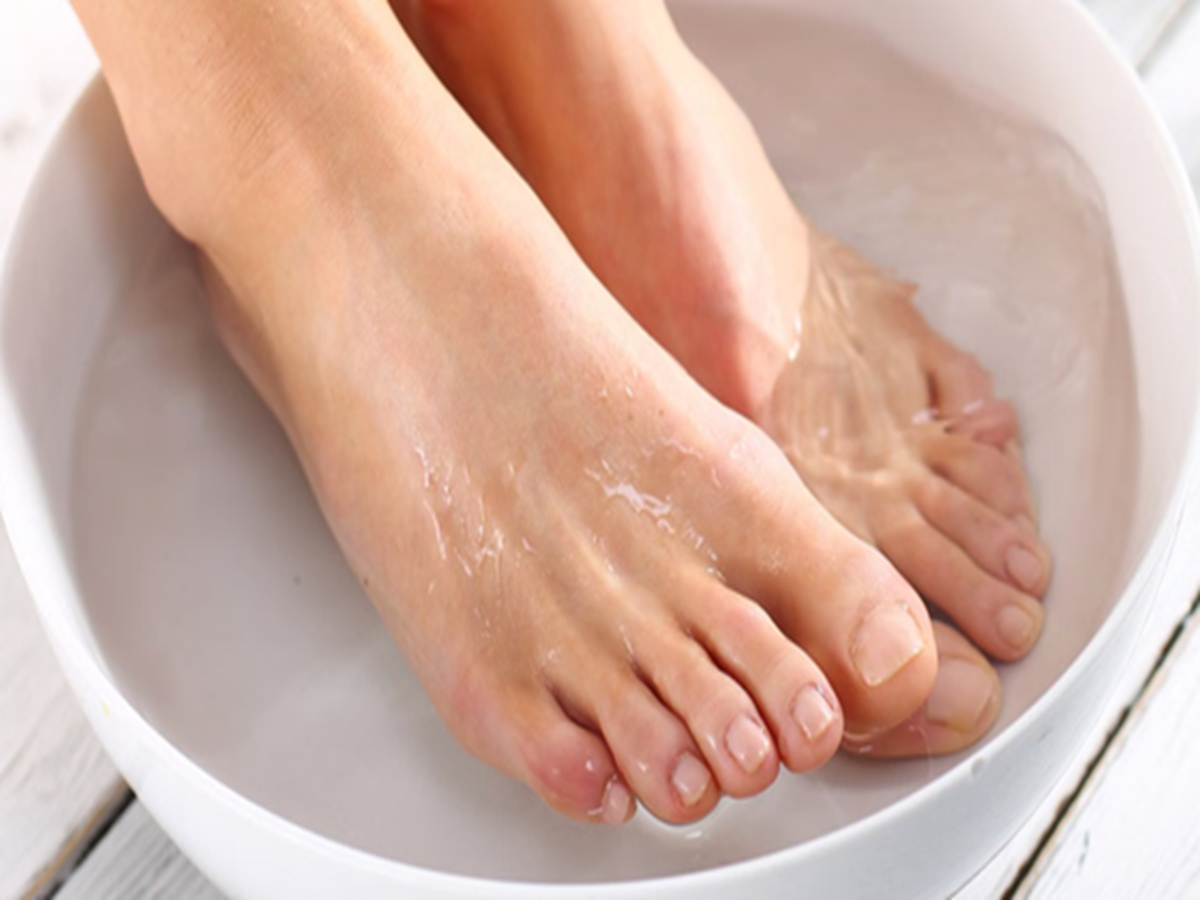
A light oil massage before bathing can help moisturize the skin and provide a sense of bodily relaxation.
Prolonged exposure to water can cause the skin to become dry; therefore, it is important to dry the body thoroughly and apply moisturizer after bathing.
Use a clean, dry towel after bathing. Bacteria can breed in damp towels, potentially leading to skin-related issues.
PC Social Media