LIFESTYLE
Beware! Could it be an ancestral affliction (Pitru Dosh) spanning eight generations? Plant these three plants today to find relief..
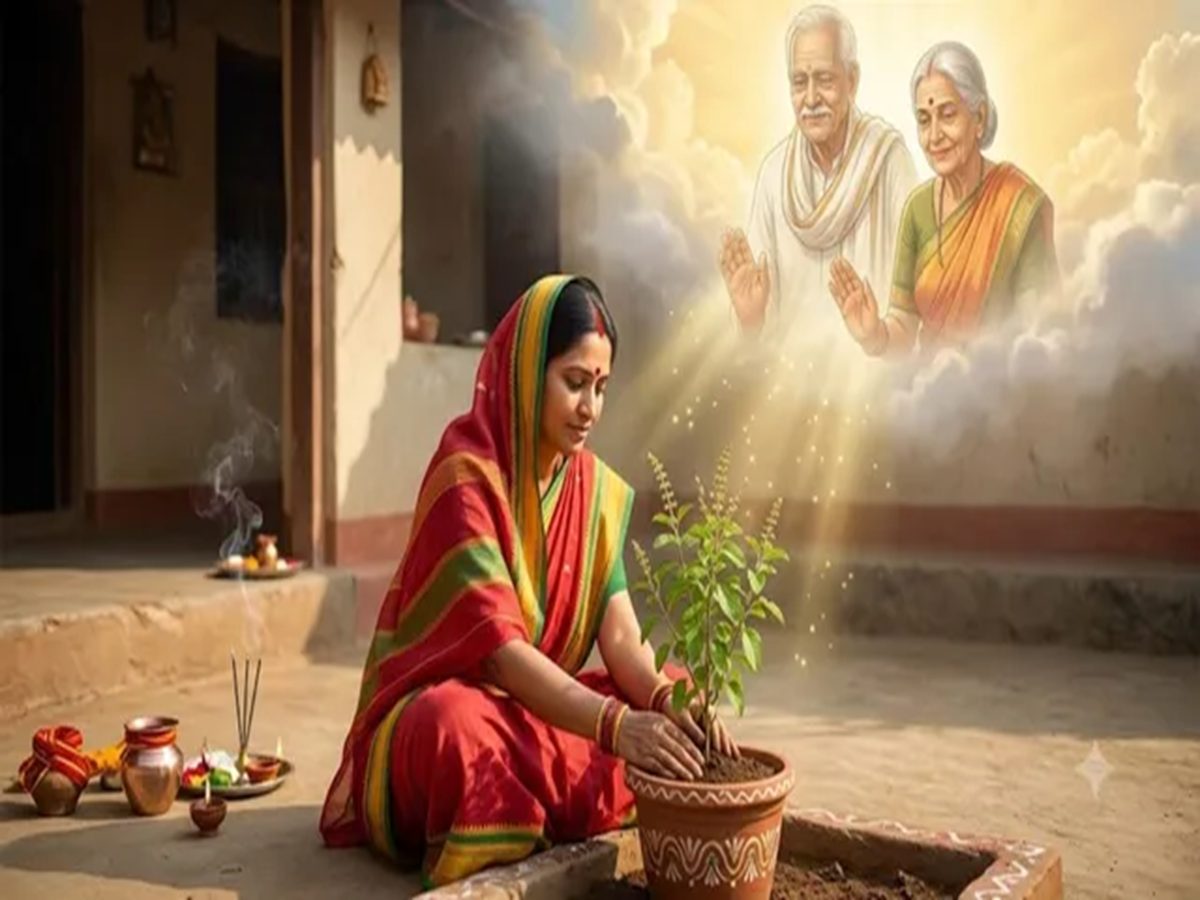
In Hinduism, the new moon day (Amavasya) of the Pitru Paksha period is known as *Sarvapitru Amavasya* and holds great religious significance. This year, the date falls on October 10th. On this day, *Shraddha* rituals are performed collectively for all known and unknown ancestors, bidding them farewell from the earthly realm.
If, for any reason, you were unable to perform the *Shraddha* of your ancestors on their specific dates of death, it is prescribed that you perform *Tarpan* and *Shraddha* for all of them on *Sarvapitru Amavasya*.
It is believed that planting certain sacred plants at home on this day ensures the continued blessings of one's ancestors. Moreover, the influence of these plants can help alleviate *Pitru Dosh* (ancestral affliction) in your home. Let us find out which plants you should plant at home on this day to help dispel afflictions affecting not just one or two, but up to eight generations.
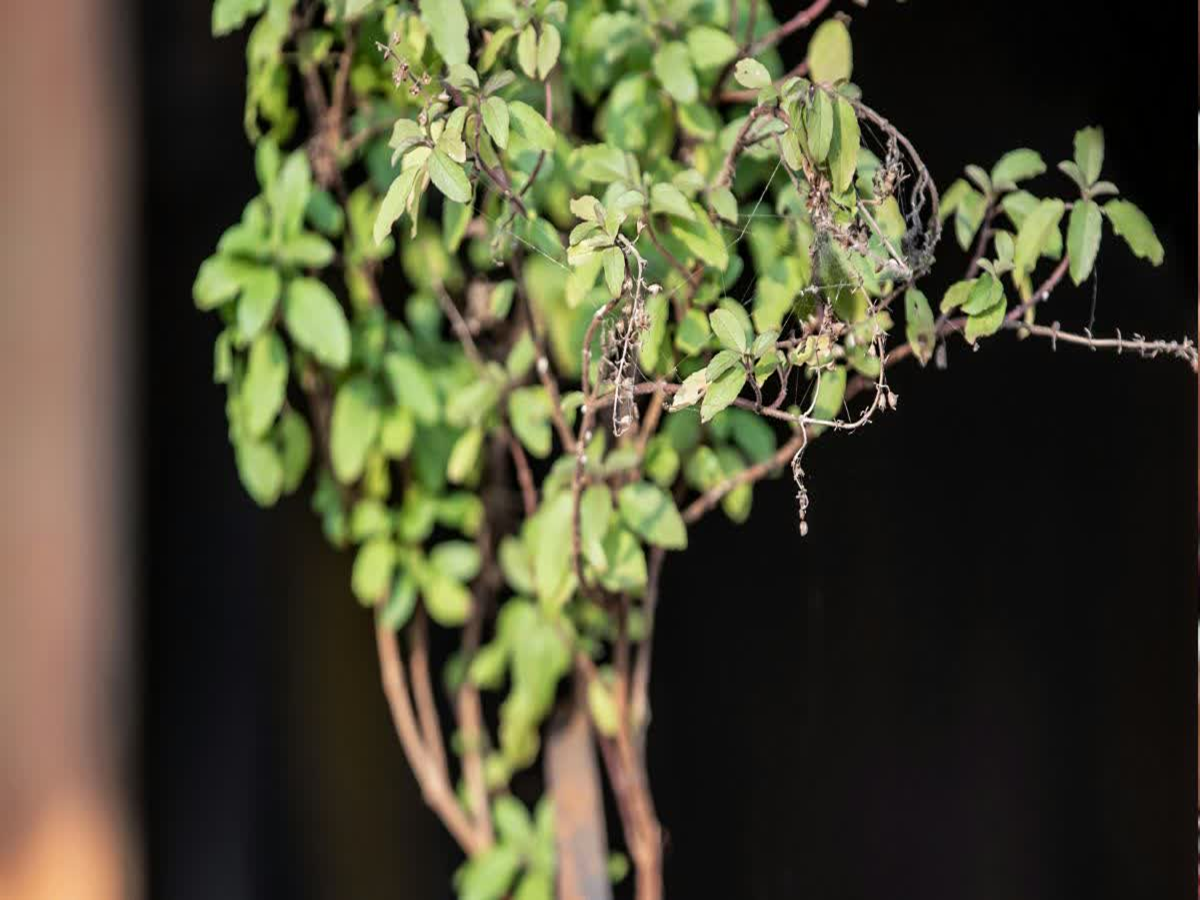
**Shami Plant**
The Shami plant is considered highly auspicious and is associated with Lord Shani (Saturn). It should always be planted outside the house to infuse the incoming energy with positivity. Planting a Shami plant at home on *Sarvapitru Amavasya* invites the grace of ancestors and helps remove *Pitru Dosh*.
**Tulsi (Holy Basil) Plant**
The Tulsi plant is considered extremely auspicious for all forms of worship; planting it at home on *Sarvapitru Amavasya* can yield manifold benefits. Even if you already have a Tulsi plant at home, it is advisable to plant a new one as well.
Doing so can help eliminate *Pitru Dosh* and provide relief from troubles. After planting Tulsi on this day, offer water regularly and light a ghee lamp in the evening.
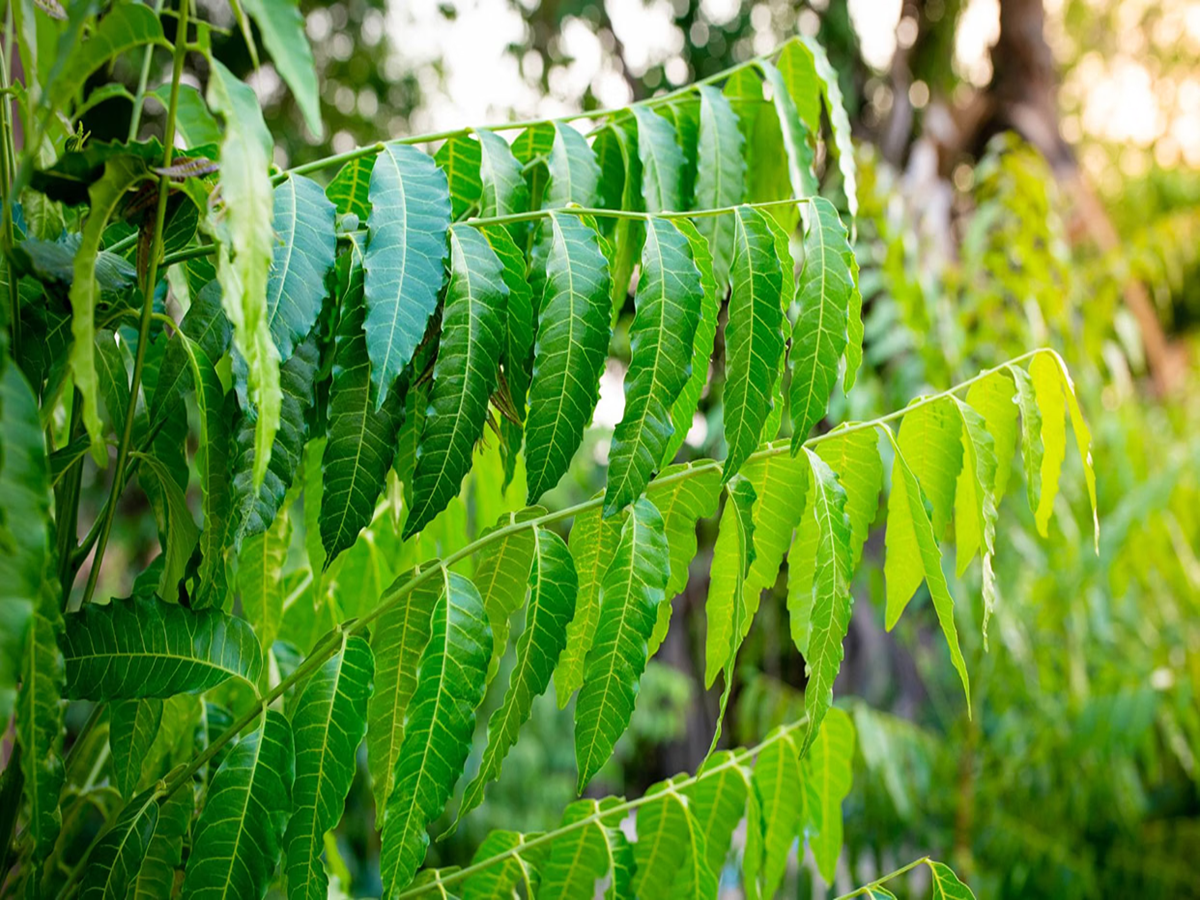
**Ashoka Plant**
The Ashoka plant is considered highly sacred in Hinduism, and its leaves are often used to decorate homes. Not only are its leaves used to create decorative *torans* (door hangings) for the home, but few people are aware that planting it at home can help alleviate *Pitra Dosh* (ancestral afflictions).
Planting this shrub outside your home on *Sarvapitra Amavasya* can yield manifold benefits. It is considered highly auspicious for invoking the blessings of ancestors and remedying *Pitra Dosh* affecting up to eight generations. If space constraints prevent you from planting it at home or in the immediate vicinity, planting it near a temple is also considered extremely auspicious.
Planting this shrub on *Sarvapitra Amavasya* will ensure its positive effects are felt throughout the year; furthermore, doing so helps resolve *Pitra Dosh*.
PC Social Media