LIFESTYLE
Sharadiya Navratri begins on October 11; read about what to eat and what to avoid before observing the fast..
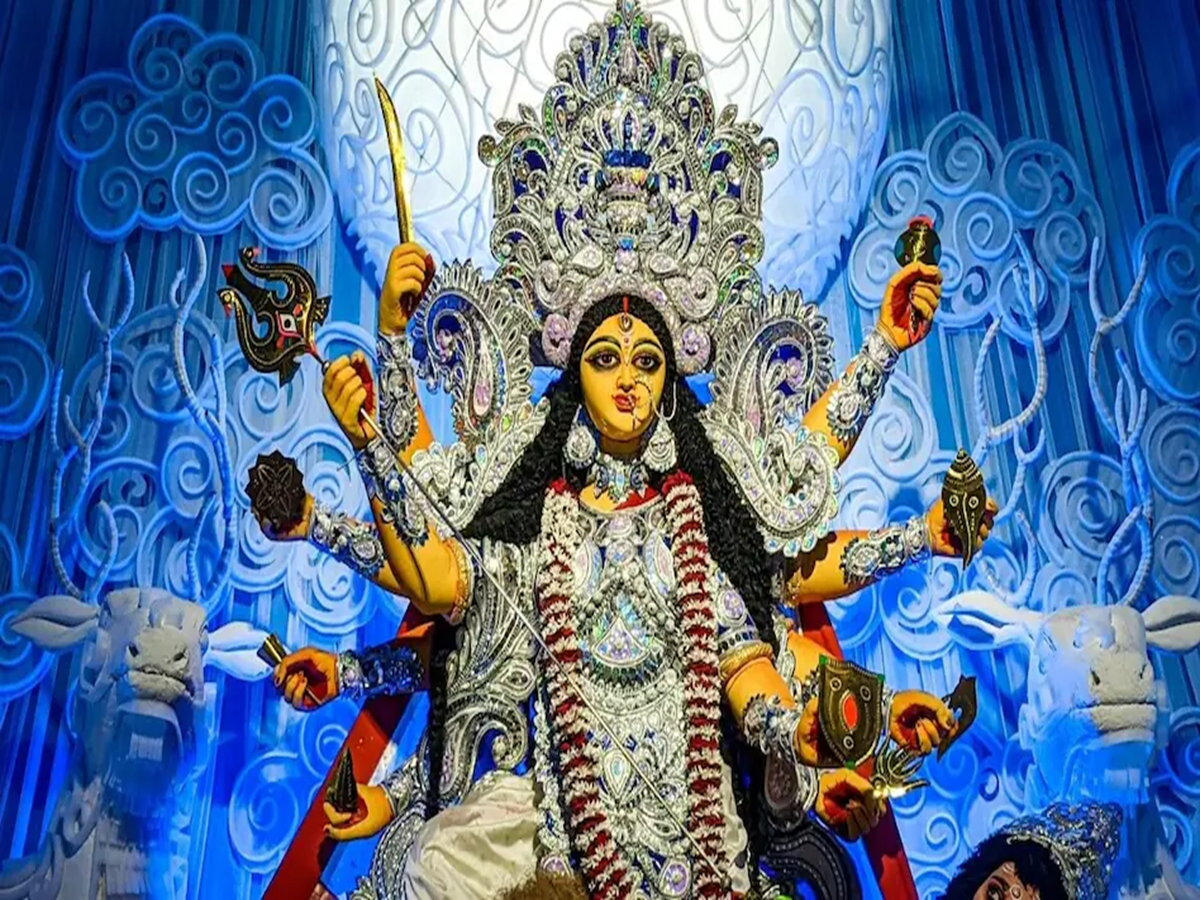
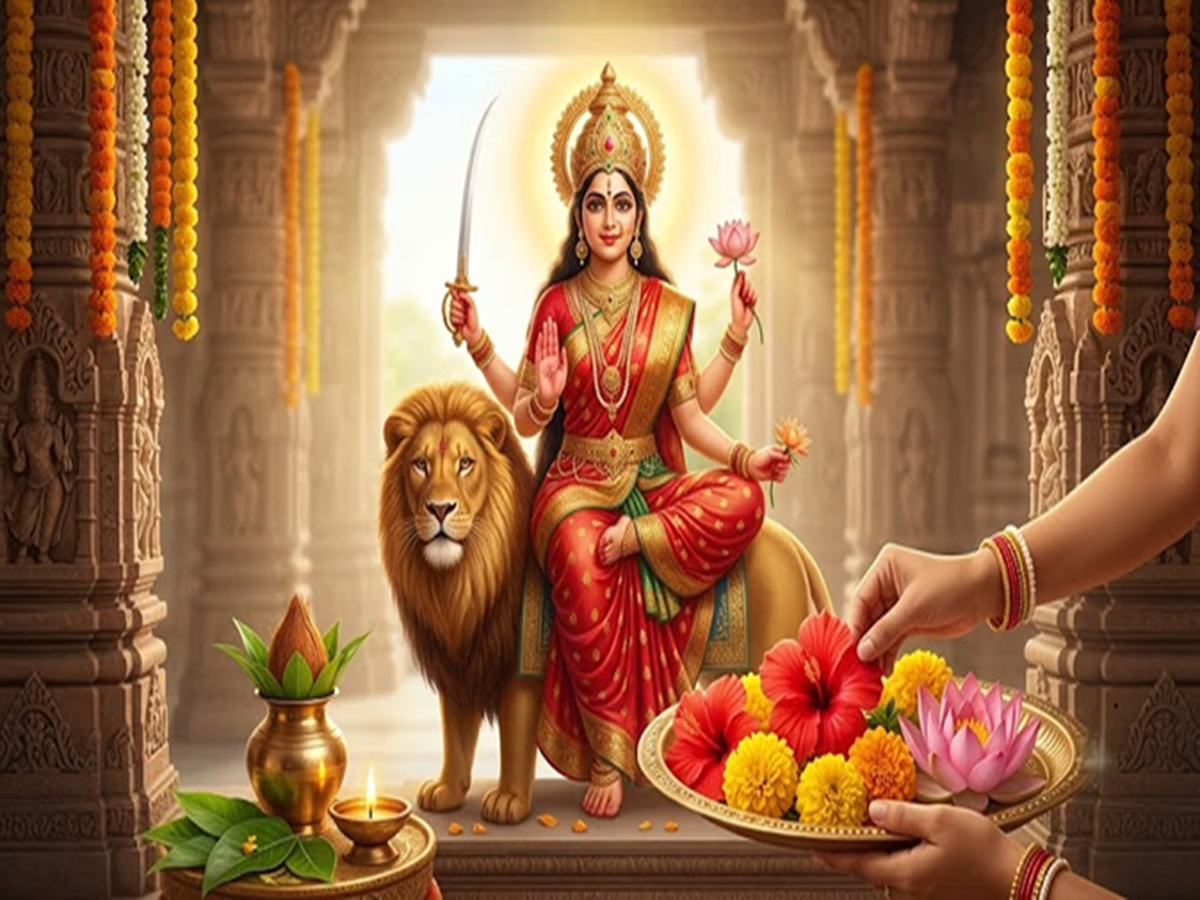
According to the Vedic calendar, Shardiya Navratri—a festival dedicated to the worship of Goddess Durga—begins on October 11. This festival is celebrated with devotion and enthusiasm across the country. During this period, there is a tradition of ritually worshipping the nine forms of Goddess Durga over nine days. Devotees also observe a fast to seek the Goddess's blessings.
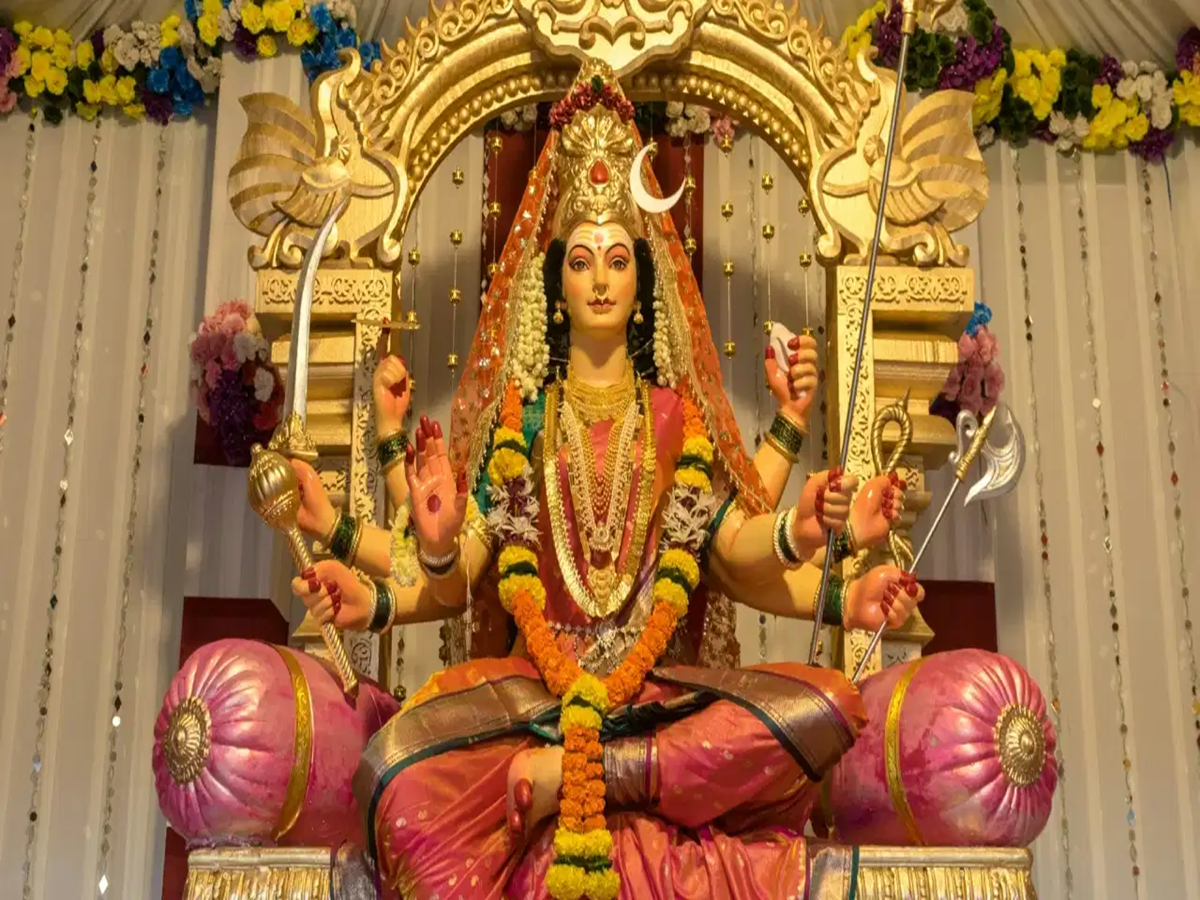
According to religious belief, worshipping Goddess Durga and observing the fast brings happiness, peace, and positive energy to the devotee, while also dispelling any crises or troubles in life.
It is essential to adhere to dietary guidelines while fasting. It is believed that ignoring these rules can break the fast and displease Goddess Durga. In this article, we outline what should and should not be eaten during the Shardiya Navratri fast.
What not to eat during the Shardiya Navratri fast?
If you are observing the Shardiya Navratri fast, you should know which foods must be strictly avoided.
Do not consume wheat or any type of lentils (dal) during the fast.
Consumption of onions, garlic, eggs, meat, fish, and alcohol is strictly prohibited.
Vegetables such as eggplant (brinjal), jackfruit, mushrooms, and okra (ladyfinger) should be avoided during the fast.
What to eat during the Shardiya Navratri fast?
One should consume pure and *sattvic* (wholesome and light) food during the fast.
You can eat rotis or puris made from buckwheat flour (*kuttu*) or water chestnut flour (*singhara*).
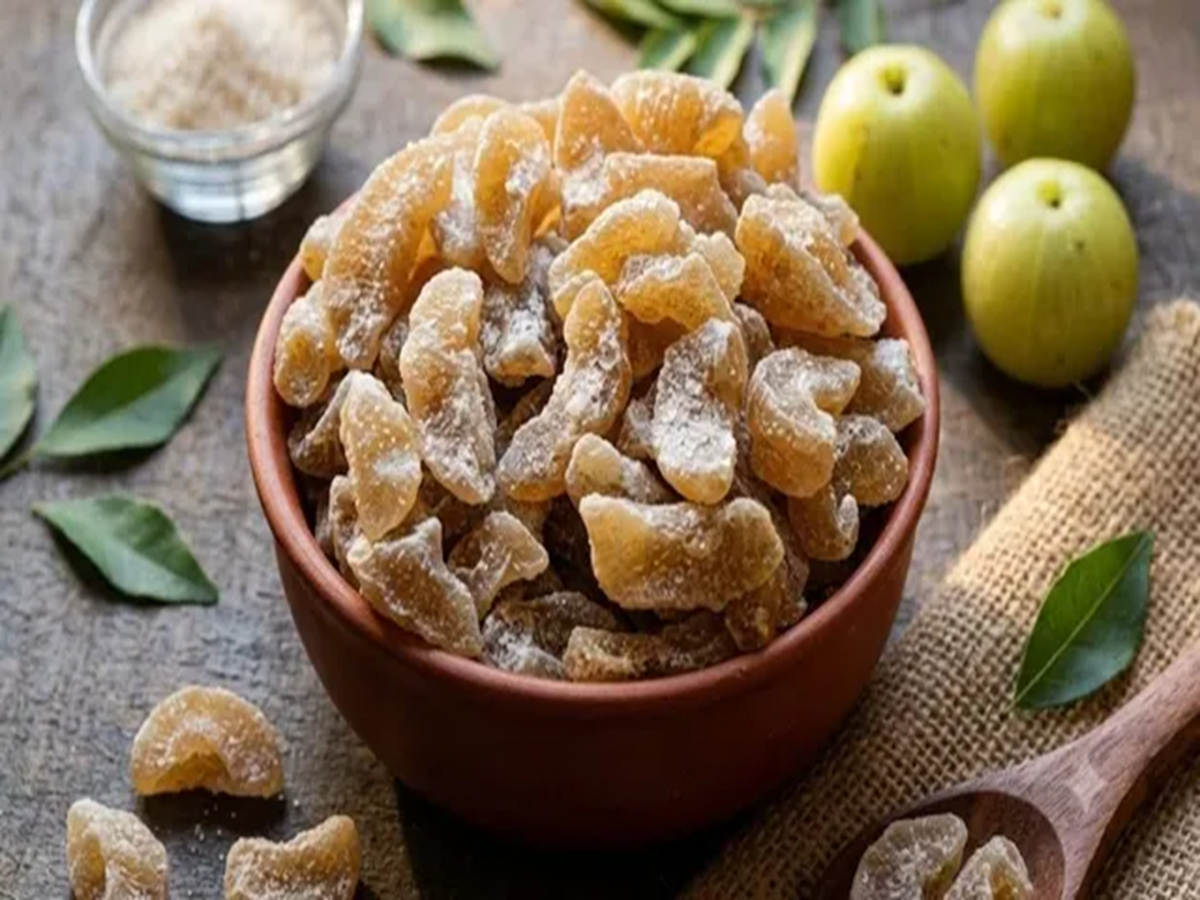
Additionally, *Samak* rice (barnyard millet), *Sabudana* (sago) *khichdi*, and fruits can be consumed.
You may also consume milk, curd (yogurt), *paneer* (cottage cheese), buttermilk, and *lassi*.
Only rock salt (*sendha namak*) is used during the fast, instead of regular table salt.
Avoid these actions at all costs
One should refrain from certain activities during the Shardiya Navratri fast, such as cutting hair, shaving (including the beard and mustache), and trimming nails. It is believed that engaging in these acts brings inauspicious results and may displease Goddess Durga. Additionally, items made of leather should not be used during worship. Furthermore, if you have performed the *Kalash Sthapana* (installation of the sacred pot) or lit the *Akhand Jyoti* (perpetual flame) for the Goddess at home, never leave the house unattended or empty.
PC Social Media