Food & recipe
Bored of eating Poha and Paratha every day? Make traditional 'Phare' using rice flour and chana dal..
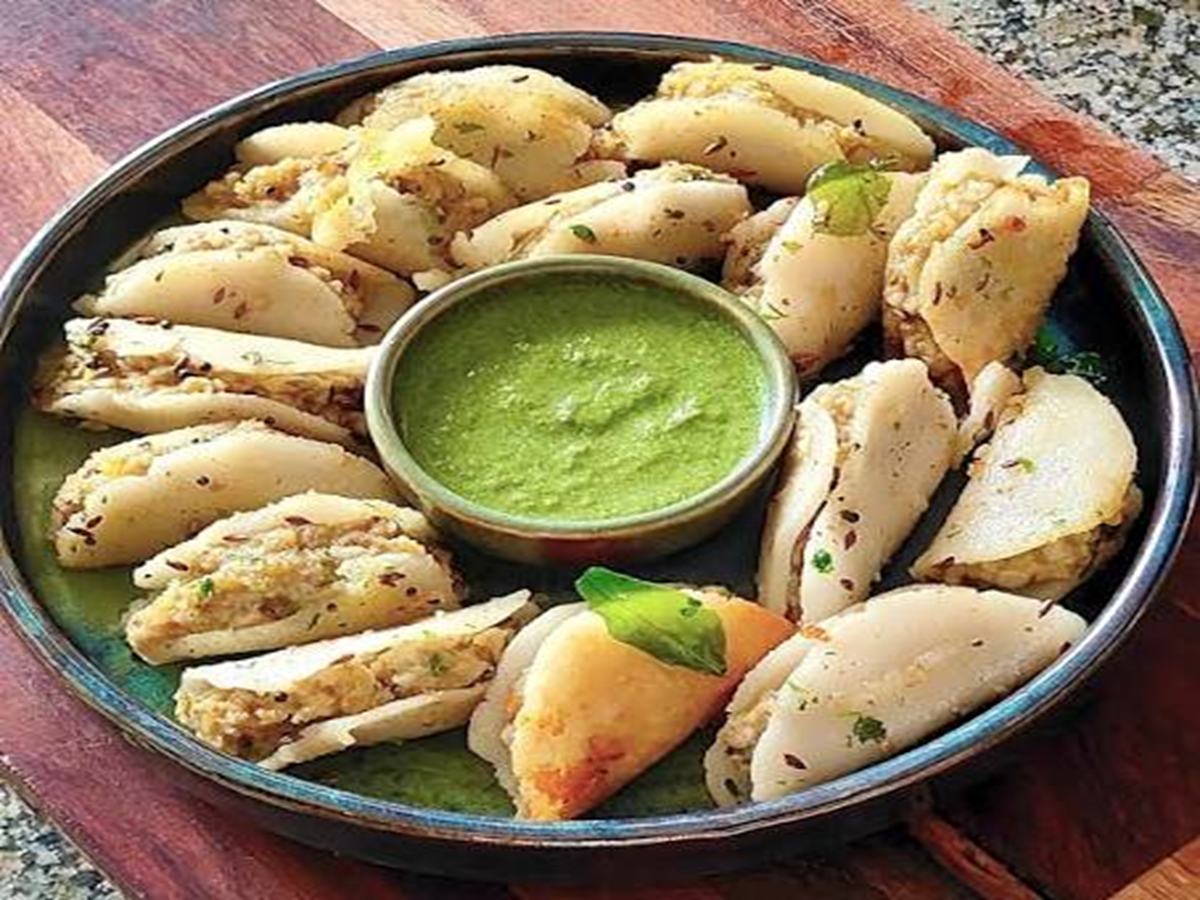
Rice Flour and Chana Dal Fara Recipe: In every household, the biggest morning dilemma is deciding what to make for breakfast—something that is delicious, filling, and healthy. If you want to try something different from the usual Poha, Upma, or Parathas, then *Fara*—made from rice flour and *chana dal* (split Bengal gram)—is an excellent choice. Long a favorite in the kitchens of Uttar Pradesh and Bihar, *Fara* has now gained popularity across the country. Their standout feature is that they require very little oil, are steamed, and are incredibly soft and delicious to eat.
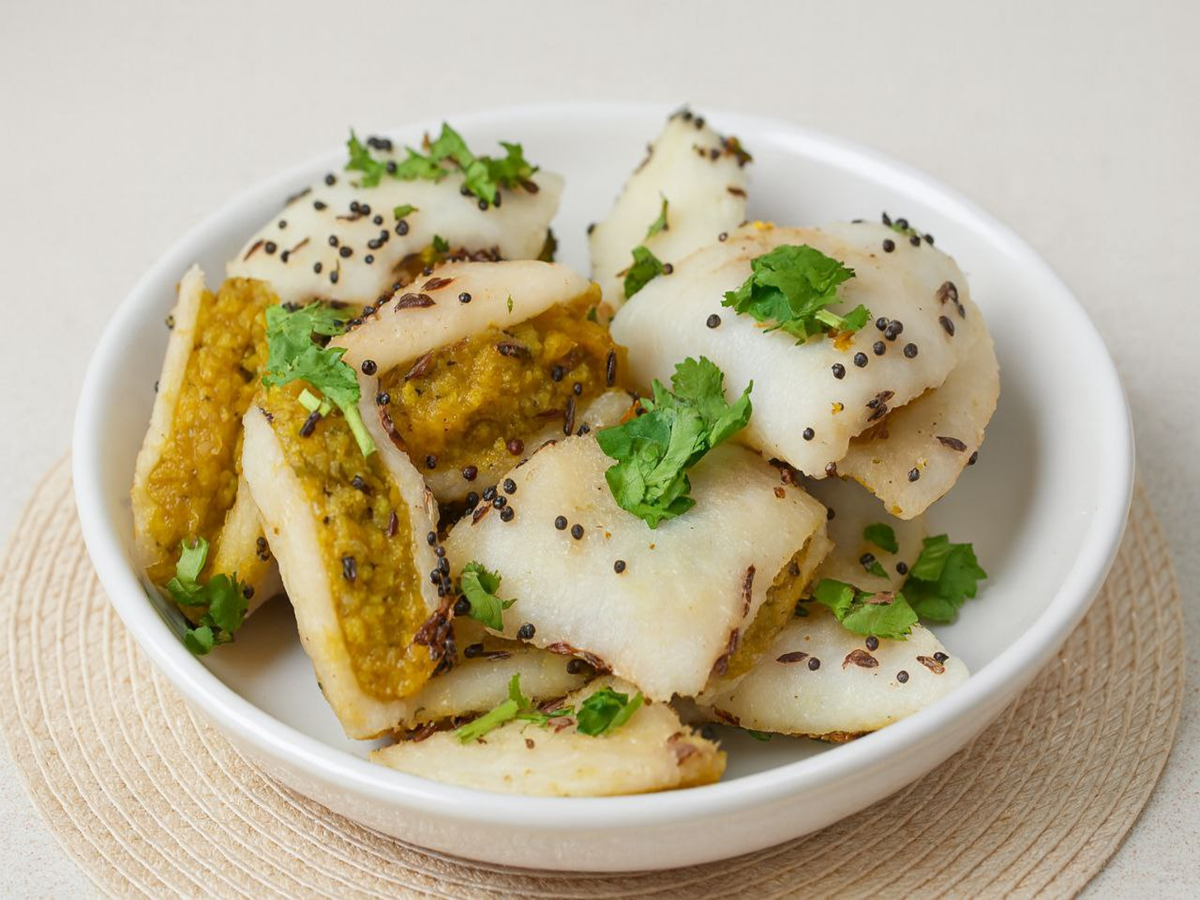
The *chana dal* filling makes them protein-rich, while the rice flour makes them light and easy to digest. Whether your children are insisting on something new or you need a healthy dish for a light evening snack, this recipe is sure to earn you praise. Let’s learn how to easily make delicious *Fara* at home.
A Wonderful Combination of Rice and Chana Dal
*Fara* is not just a traditional dish; it is a perfect blend of taste and nutrition. Rice flour gives it a light texture, while the *chana dal* filling provides rich flavor and protein. That is why many people enjoy including it in their breakfast, lunch, or even a light dinner.
Ingredients Required to Make Fara
For the Filling
About 1 cup *chana dal*, a 1-inch piece of ginger, 4–5 cloves of garlic, 2 green chilies, 1 teaspoon cumin seeds, salt to taste, a pinch of asafoetida (hing), half a teaspoon of turmeric powder, and finely chopped fresh coriander leaves.
For the Outer Layer
2 cups rice flour, approximately 2 cups water, salt to taste, and 1 teaspoon oil.
For the Tempering (Tadka)
1 to 2 tablespoons mustard oil, half a teaspoon mustard seeds, a few curry leaves, a pinch of asafoetida (hing), and dried red chilies.
Preparing the Chana Dal (Split Bengal Gram) Stuffing
First, wash the chana dal thoroughly and soak it in water for 3 to 4 hours. Once the dal has swelled up, drain all the water. Now, grind the dal with ginger, garlic, green chilies, and cumin seeds into a coarse paste without adding any water. Finally, mix in salt, turmeric powder, asafoetida (hing), and finely chopped fresh coriander leaves. A coarsely ground stuffing significantly enhances the flavor of the *phare*; grinding it too finely can alter both the taste and texture.
Making Soft Rice Flour Dough
Boil water in a pan and add a little salt and a teaspoon of oil. Turn off the heat, add the rice flour to the boiling water, and mix well. Cover and let it rest for about 5 minutes. Once the mixture has cooled slightly, knead it thoroughly with your hands to form a soft dough. If the dough feels too stiff, you can add a few drops of lukewarm water and knead it again.
Shaping the Phare Correctly
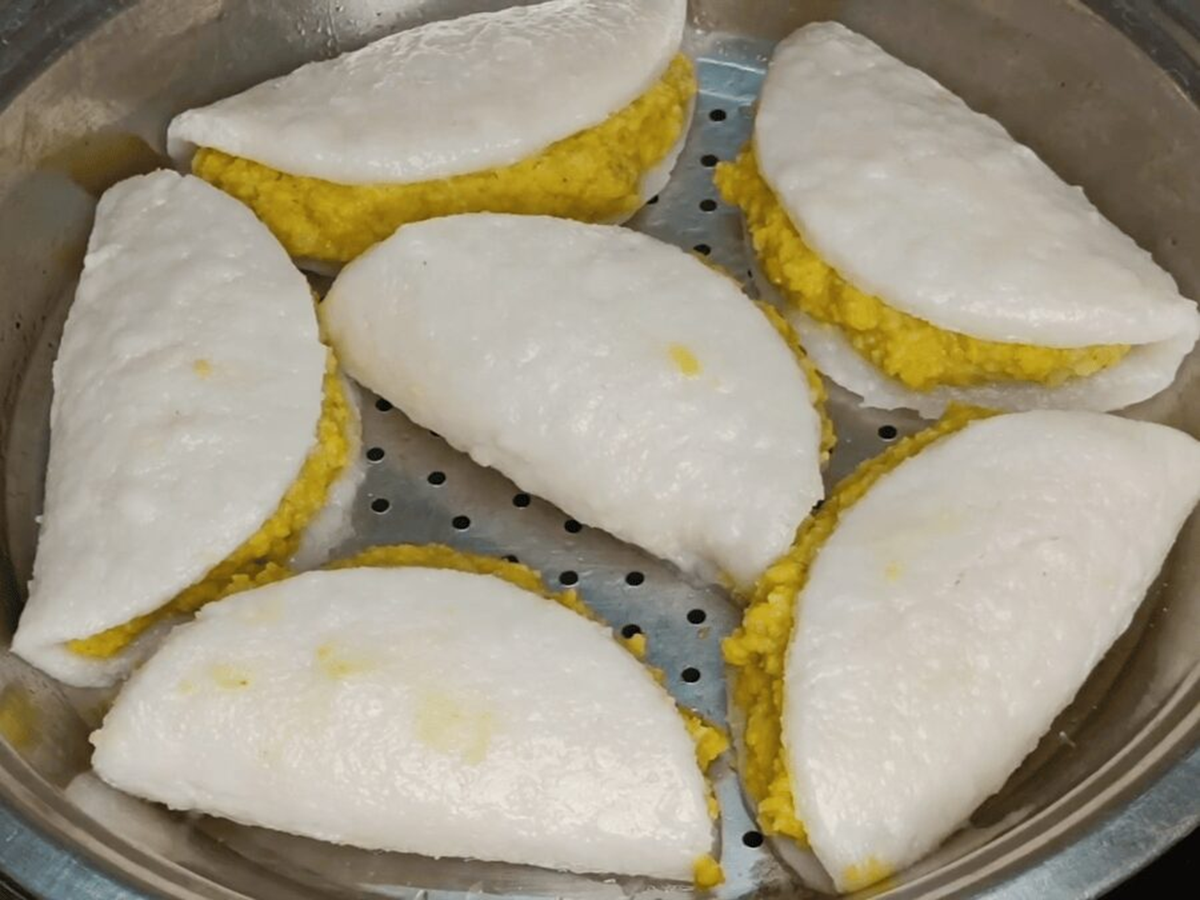
Make small balls from the rice flour dough and roll them out to a medium thickness. Place the prepared dal stuffing in the center and fold the dough over slightly. Note that it should not be completely sealed shut; it should resemble a *gujiya* (dumpling) in shape, but the edges remain open. This traditional shaping method makes the *phare* special and allows for better flavor development during steaming.
Steaming and Adding a Delicious Tempering
Heat water in a steamer and steam the prepared *phare* for 15 to 20 minutes. Once fully cooked, heat mustard oil in a pan. Prepare a tempering (*tadka*) by adding mustard seeds, asafoetida, curry leaves, and dried red chilies. Add the steamed *phare* to the pan and sauté lightly for 2 to 3 minutes.
Serving Suggestions
*Phare* taste delicious when served with green coriander chutney, tomato chutney, garlic chutney, or peanut chutney. Many people also enjoy eating it with coconut chutney or a mildly spicy sauce. It can also make for an excellent snack to accompany tea.
PC Social Media