
LIFESTYLE
Brain Health: Which dry fruit is better for memory and concentration? Find out what research says..
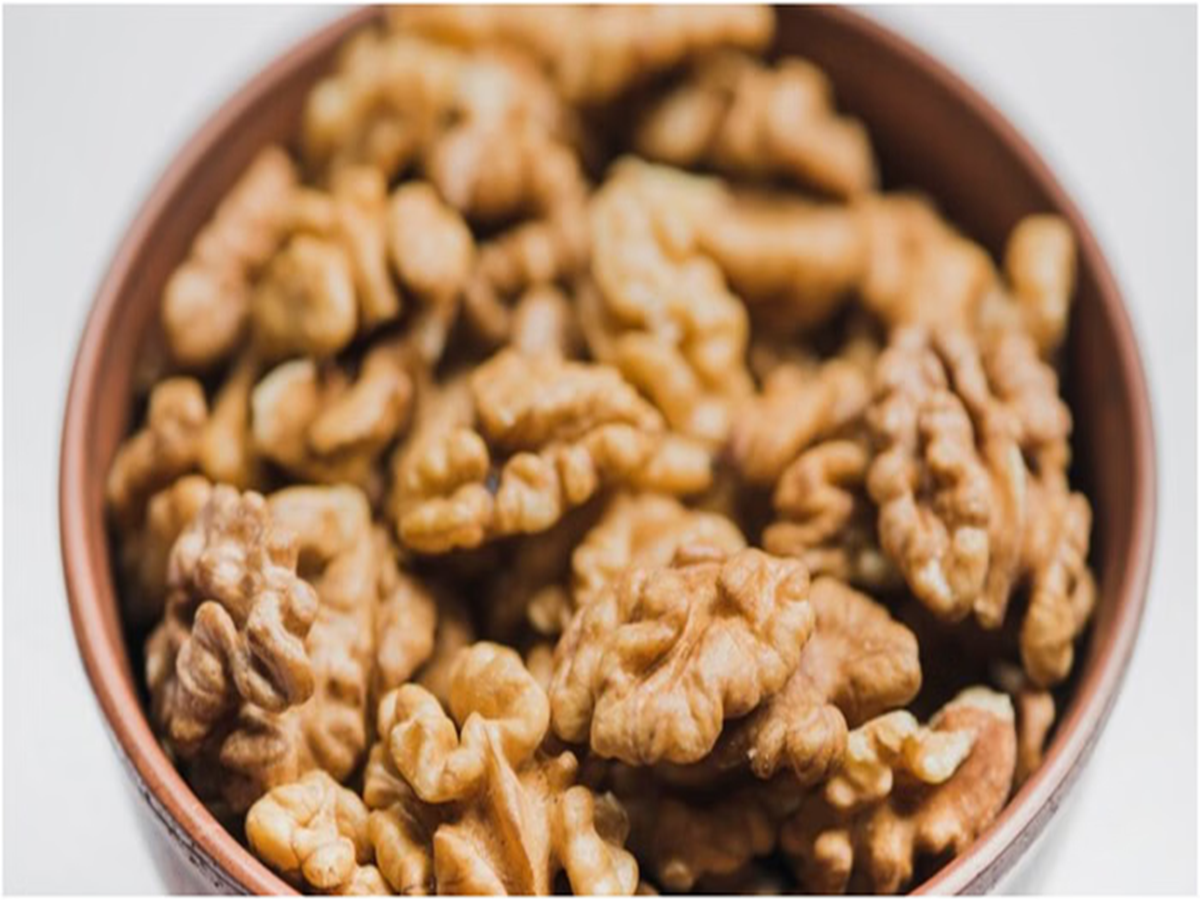
A balanced diet is essential for maintaining brain health. Health experts recommend the regular consumption of nuts and seeds for this purpose. Both walnuts and almonds contain nutrients that support normal brain function. Walnuts contain omega-3 fatty acids, while almonds are a good source of Vitamin E and magnesium. A study involving adolescents observed improvements in concentration levels associated with walnut consumption.
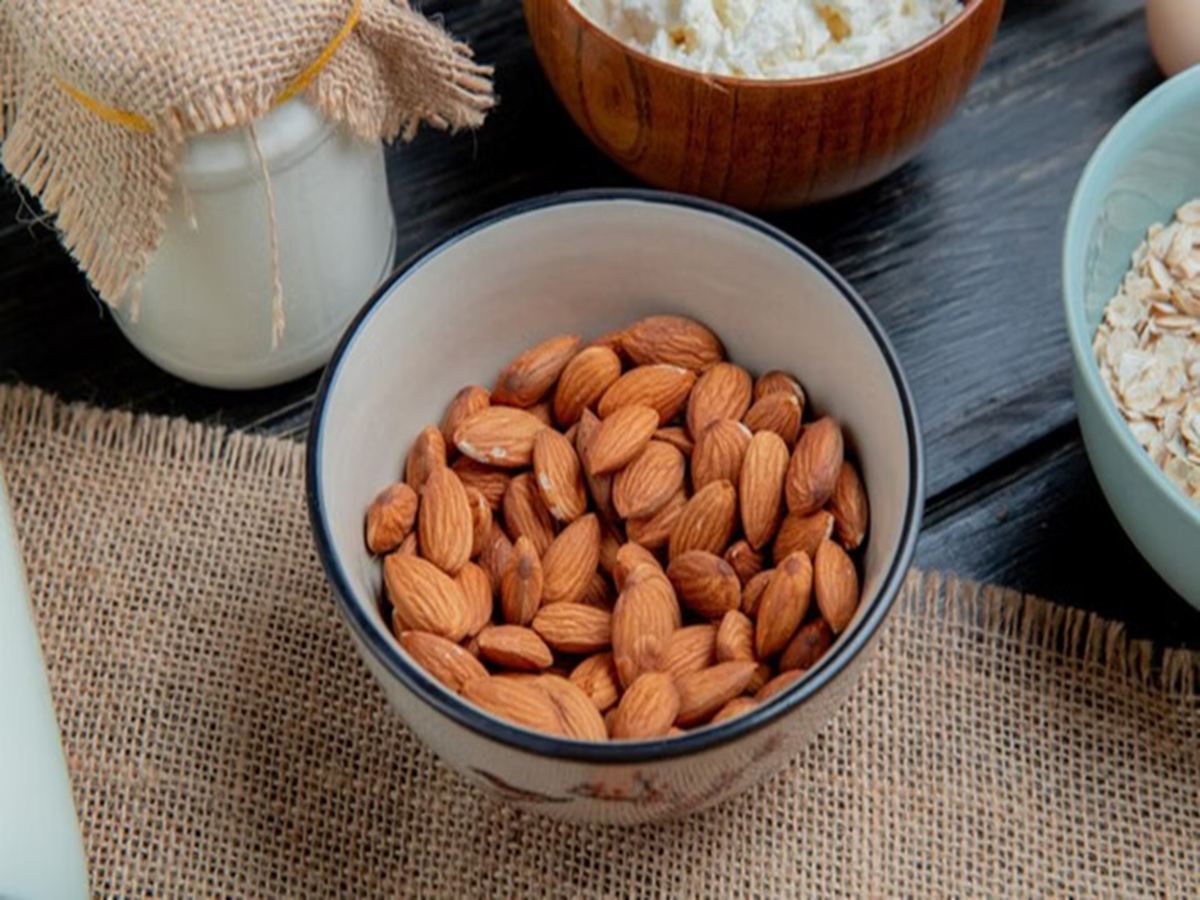
Let us explore which is better for brain health: walnuts or almonds?
What are the brain benefits of eating walnuts?
Walnuts contain an omega-3 fatty acid known as alpha-linolenic acid (ALA). This supports normal brain development and cellular function.
Researchers in Spain conducted a study on 700 adolescents aged 11 to 16. Participants were asked to consume 30 grams of walnuts daily for six months.
The study observed positive changes in the concentration abilities of adolescents who consumed walnuts for at least 100 days.
How are almonds beneficial for the brain?
Almonds contain nutrients such as Vitamin E, magnesium, protein, and fiber. Vitamin E helps protect cells from oxidative damage, while magnesium is essential for the normal functioning of the nervous system. It helps reduce mental stress and fatigue.
The unsaturated fats found in almonds can also be beneficial; healthy fats aid in optimal brain development and help maintain a healthy nervous system.
Walnuts or almonds—which is more beneficial?
Health experts state that both almonds and almonds can help maintain good mental health. Walnuts: A good source of omega-3 fatty acids and antioxidants.
Almonds: Provide Vitamin E, magnesium, protein, and fiber.
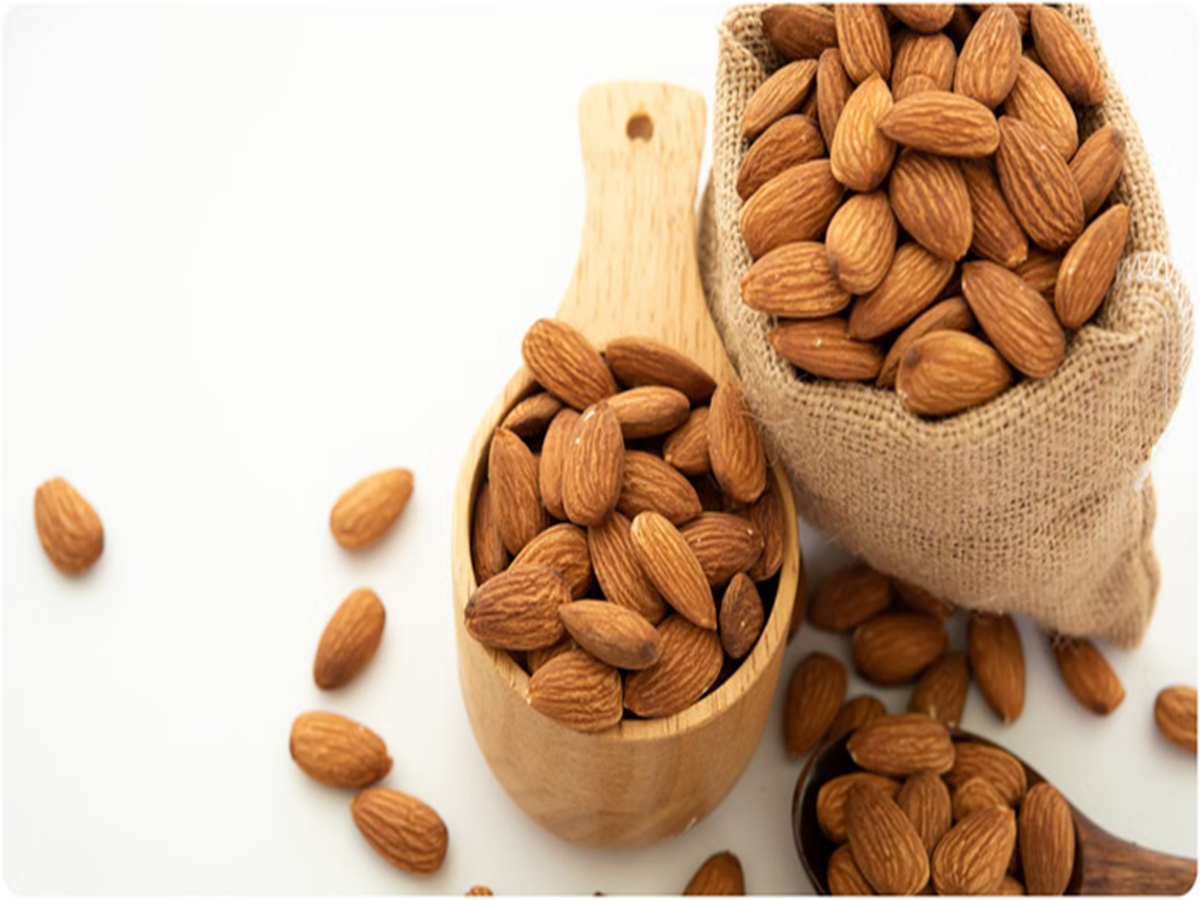
Studies recommend that adolescents consume up to 30 grams of walnuts daily. However, since dried fruits are high in calories, they should be eaten in moderation. Consuming 20–25 almonds daily is considered appropriate. Nevertheless, it is crucial to exercise caution regarding any changes to one's diet.
PC Social Media