
LIFESTYLE
Diet Plan: What to eat and what to avoid during a seasonal flu? Find out everything in just one click..

Diet for Seasonal Flu: As the seasons change, issues like colds, coughs, sore throats, fevers, and body aches often arise. Sometimes, these symptoms are caused by the seasonal flu (influenza). In such cases, along with medication and rest, it is important to pay attention to your diet.
When you have the flu, your body requires sufficient water, energy, and nutrients to help it recover. Let’s look at what your diet should be like during the seasonal flu—what foods can be beneficial, and which habits are best avoided.
What should you eat during the seasonal flu?
During the flu, choose a diet that provides your body with energy and essential nutrients. While no single food can cure the flu instantly, adequate nutrition, rest, and fluids can support your recovery.
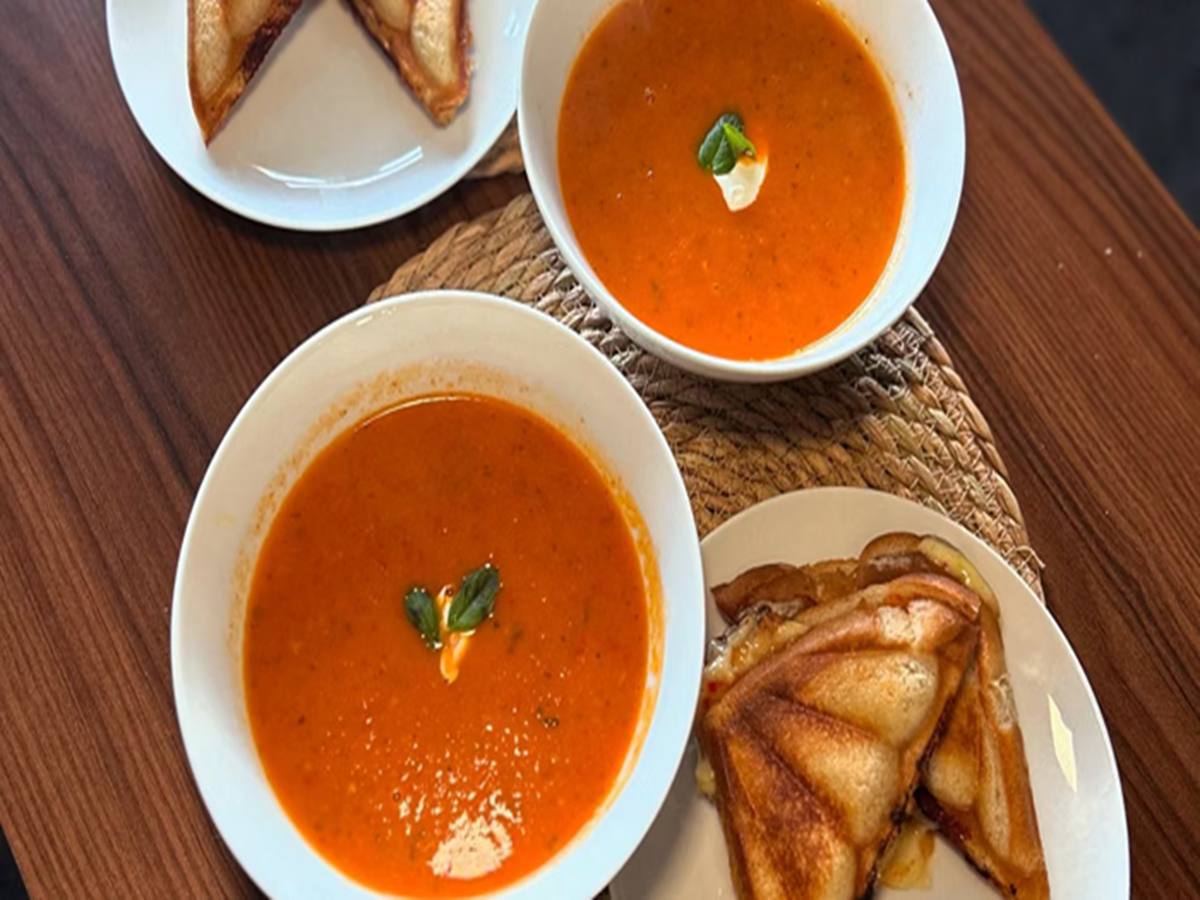
1. Consume soups and warm liquids
Chicken soup, vegetable soup, and warm water can help soothe a sore throat and prevent dehydration. If you have a poor appetite, soup serves as a light and nourishing option.
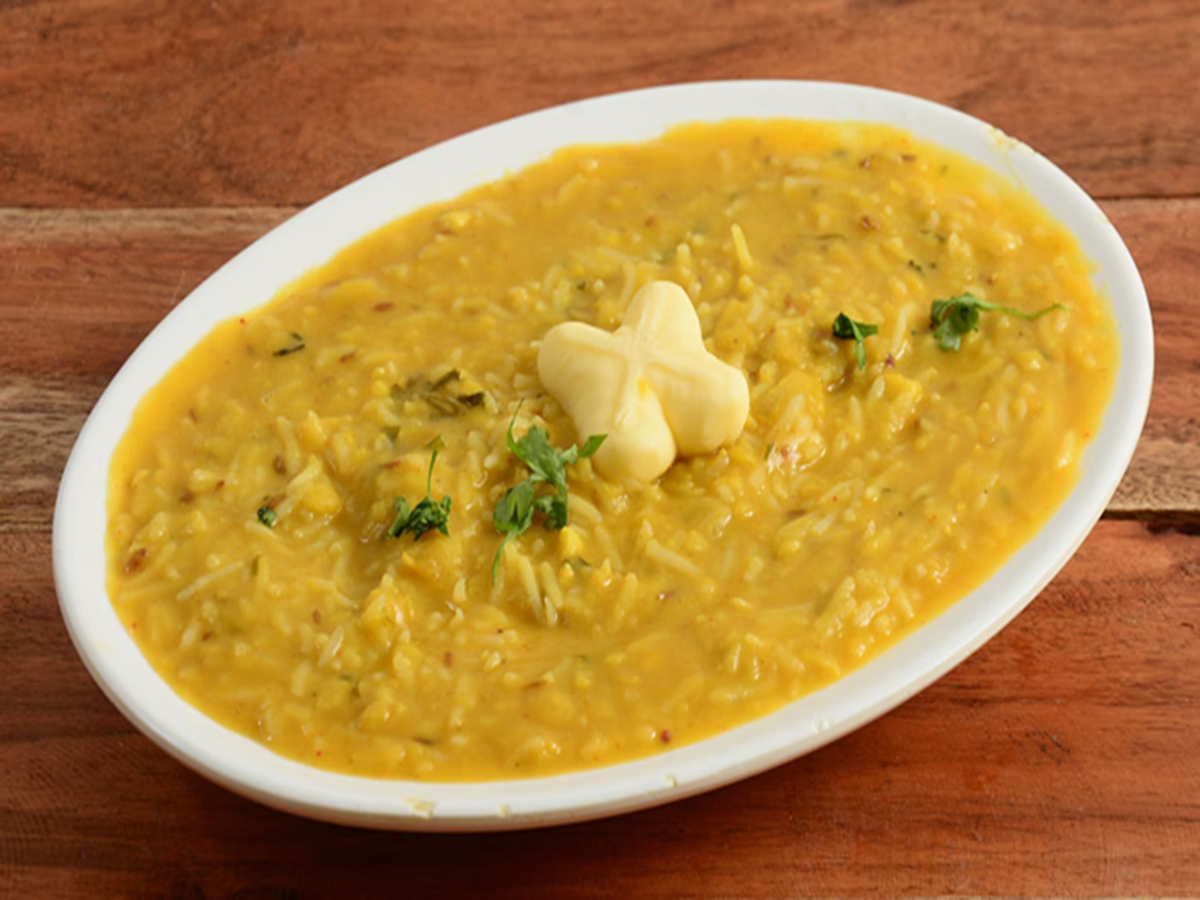
2. Include *khichdi* (lentil and rice porridge) and lentils (*dal*) in your diet
Dishes like *moong dal khichdi*, porridge (*daliya*), and *dal-chawal* (lentils and rice) are easy to consume. They provide the body with energy and essential nutrients. If you have a sore throat, opt for soft, mildly spiced food.
3. Eat fruits and vegetables
Fruits like oranges, guavas, papayas, and other seasonal varieties provide vitamins and essential nutrients. Cooked vegetables can also be part of your diet. If you have a sore throat, avoid highly acidic (sour) fruits, as they may aggravate the discomfort.
4. Drink plenty of water
Fever and sweating can lead to dehydration, so ensure you drink water regularly. Soups and other suitable fluids can also help keep you hydrated. In case of vomiting or diarrhea, ORS (Oral Rehydration Solution) can be taken upon a doctor's advice.
5. Consume protein-rich foods
Include items like lentils, eggs, milk, yogurt, paneer (cottage cheese), and other protein-rich foods, based on your personal tolerance and preferences. If your appetite is low, eating smaller portions more frequently can be helpful.
What should you avoid during a seasonal flu?
Highly fried or oily foods: Reduce the intake of oily foods if you are experiencing nausea or stomach discomfort.
Very spicy foods: Avoid these if you have a sore throat or if your stomach discomfort worsens.
Alcohol: It is best to avoid alcohol while ill.
Highly sugary drinks: Prioritize water and nutritious fluids instead.
Antibiotics without medical advice: Since the flu is caused by a virus, antibiotics are not an effective treatment for a typical flu.
PC Social Media