LIFESTYLE
Diwali 2026: What should you include in your puja thali? Whom should you worship first? Find out which mistakes you must avoid..
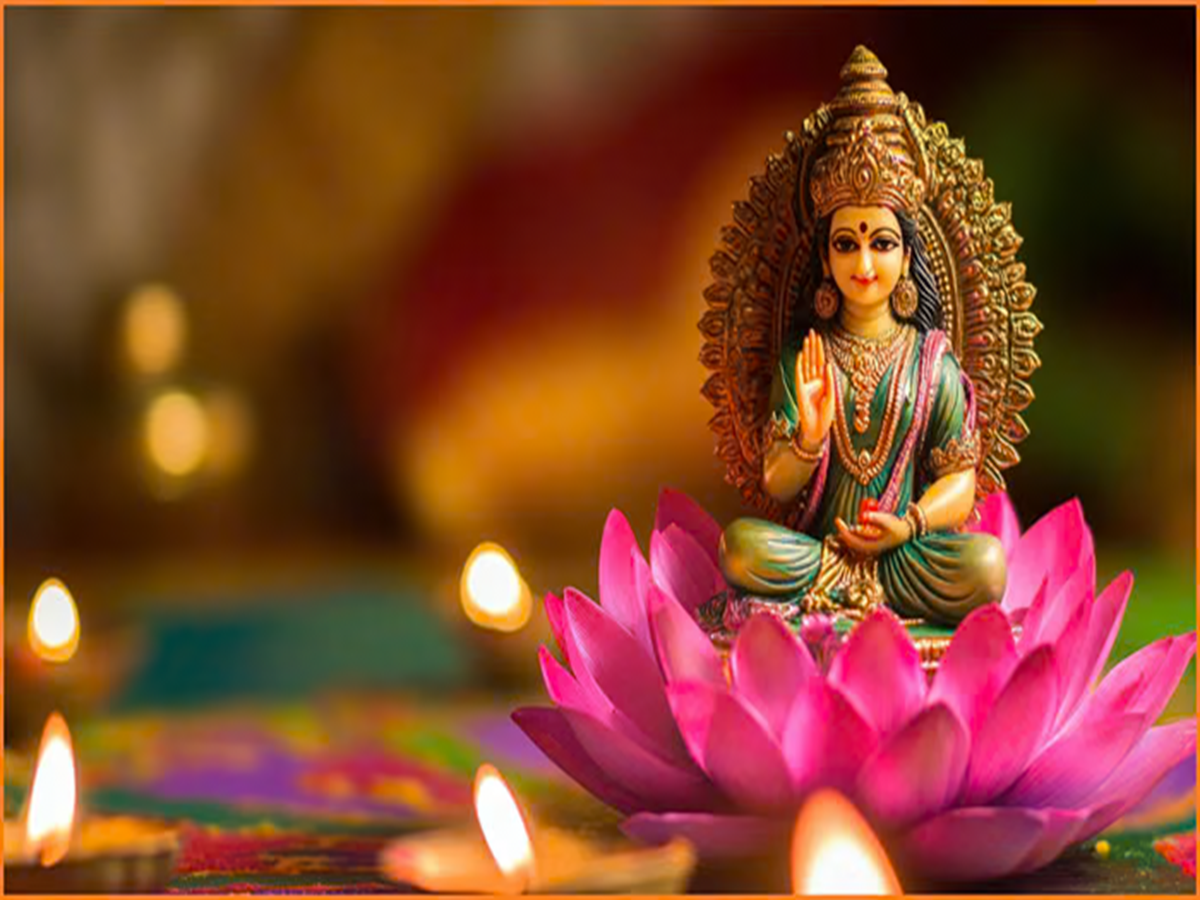
Diwali Lakshmi Puja Guidelines 2026: The festival of Diwali is considered an occasion to welcome Goddess Lakshmi and seek her special blessings. On this day, Goddess Lakshmi and Lord Ganesha are worshipped in homes following prescribed rituals. It is believed that worshipping with devotion and the correct procedures brings happiness, prosperity, peace, and well-being into the home. However, it is important to keep certain points in mind during the worship. Let us explore what items should be included in the Lakshmi Puja *thali* (offering tray), which deity should be worshipped first, and which mistakes should be avoided.
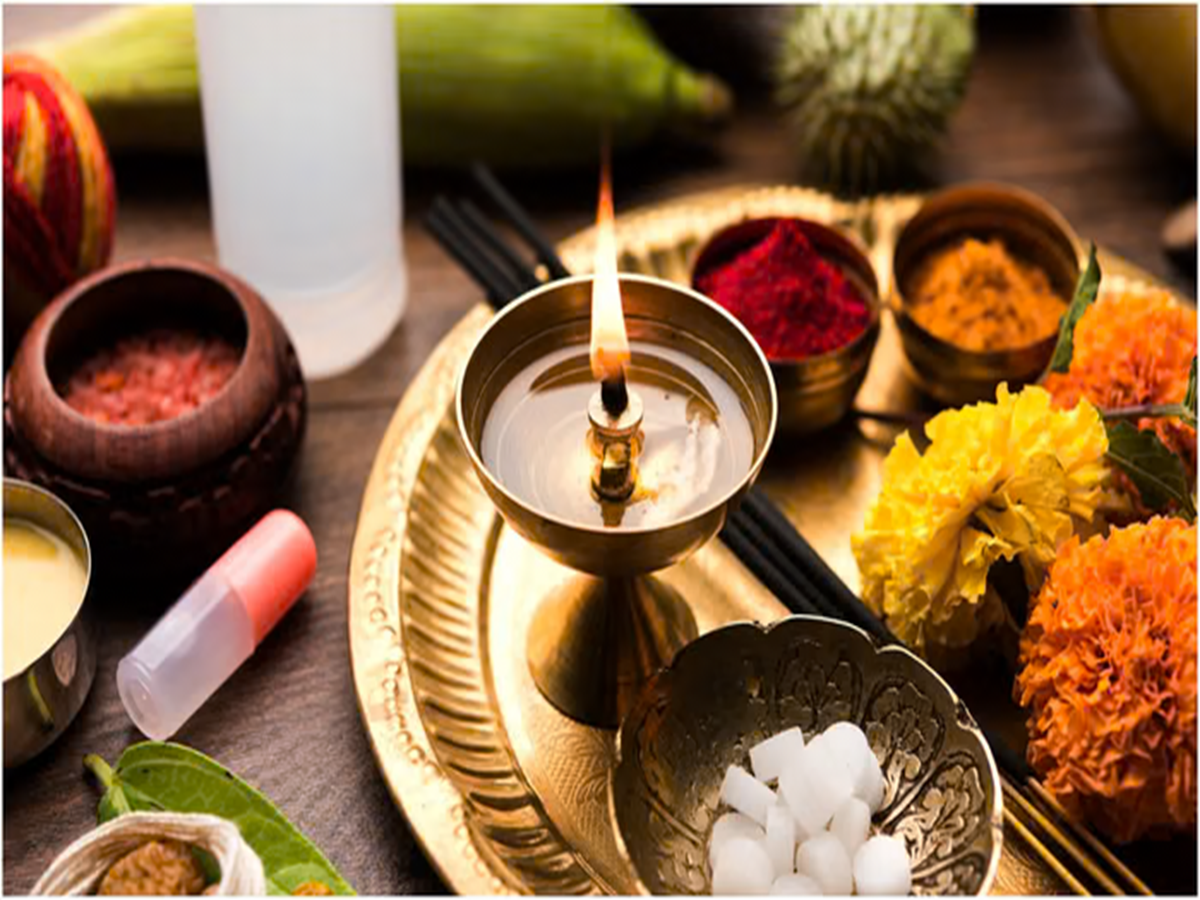
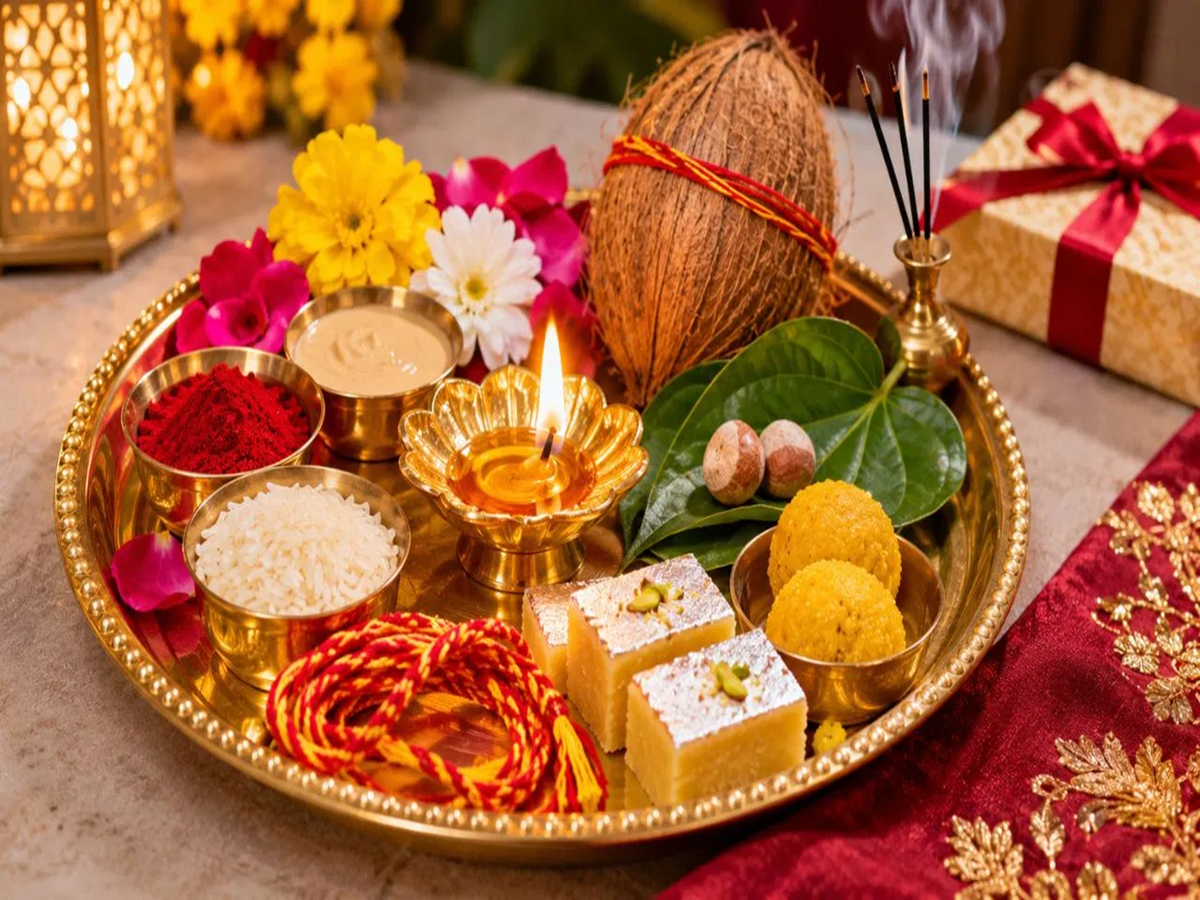
What should be included in the Lakshmi Puja *thali*?
When preparing the *thali* for Lakshmi Puja on Diwali, certain essential items should be included. These are considered symbols of auspiciousness and prosperity.
Roli and Kumkum: Include *roli* (vermilion powder) and *kumkum* for applying a *tilak* to the deities.
Akshat (Unbroken Rice Grains): *Akshat*—unbroken rice grains—holds special significance in worship and is offered along with the *tilak*.
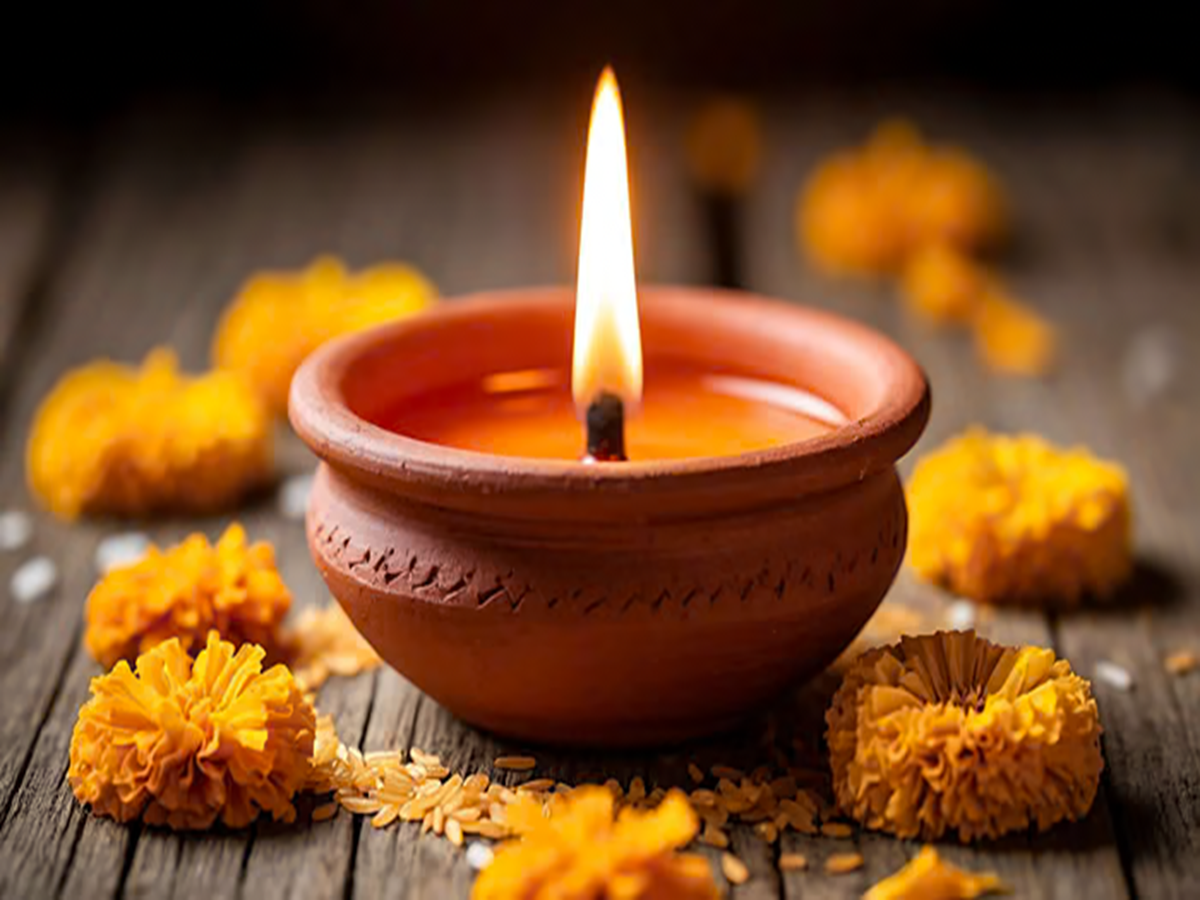
Lamp and Cotton Wicks: Include a lamp (filled with ghee or oil) and extra cotton wicks in the *thali*.
Flowers and Garlands: The lotus flower is considered especially dear to Goddess Lakshmi. You may also include marigolds and floral garlands.
Incense, *Agarbatti* (incense sticks), and Camphor: These are used to create a fragrant atmosphere and for performing *aarti*.
Betel Leaf (*Paan*) and Betel Nut (*Supari*): Include betel leaves and betel nuts among the ritual offerings.
Sweets and Fruits: Keep sweets, *kheel-batashe* (puffed rice and sugar drops), and seasonal fruits to offer to Goddess Lakshmi.
Coconut and *Kalava* (Sacred Thread): A coconut, *kalava* (sacred thread), and *dakshina* (offering) should also be included in the worship.
Sandalwood and Turmeric: Arrange for sandalwood and turmeric for applying *tilak* and for use during the rituals.
Additionally, a bell and camphor for performing *aarti* can also be placed in the *thali*.
Who should be worshipped first during Lakshmi Puja? In Hinduism, it is customary to begin any auspicious undertaking by worshipping Lord Ganesha. He is revered as the 'first to be worshipped' (*Pratham Pujya*) and the 'remover of obstacles' (*Vighnaharta*). Therefore, on Diwali, one should first invoke and worship Lord Ganesha, followed by the worship of Goddess Lakshmi. It is believed that worshipping Lord Ganesha removes obstacles from one's endeavors, while the blessings of Goddess Lakshmi bring wealth, prosperity, and abundance.
What mistakes should be avoided during Lakshmi Puja?
Certain precautions should be taken while performing rituals on Diwali. According to religious beliefs, one should pay special attention to the following points:
Do not leave the place of worship or the house in an unclean or disorganized state; ensure everything is cleaned before the rituals begin.
Avoid using damaged or broken idols for regular worship.
Do not harbor feelings of anger, jealousy, or any negative thoughts during worship.
Do not offer stale flowers or spoiled food (*bhog*) to the deities.
Do not rush through the rituals, and avoid getting up repeatedly during the process.
Do not forget to worship Lord Ganesha alongside Goddess Lakshmi.
Exercise caution when lighting lamps (*diyas*); do not place them near curtains or any flammable objects.
After the worship, treat the *prasad* (offered food) with respect and distribute it among family members with devotion.
PC Social Media