
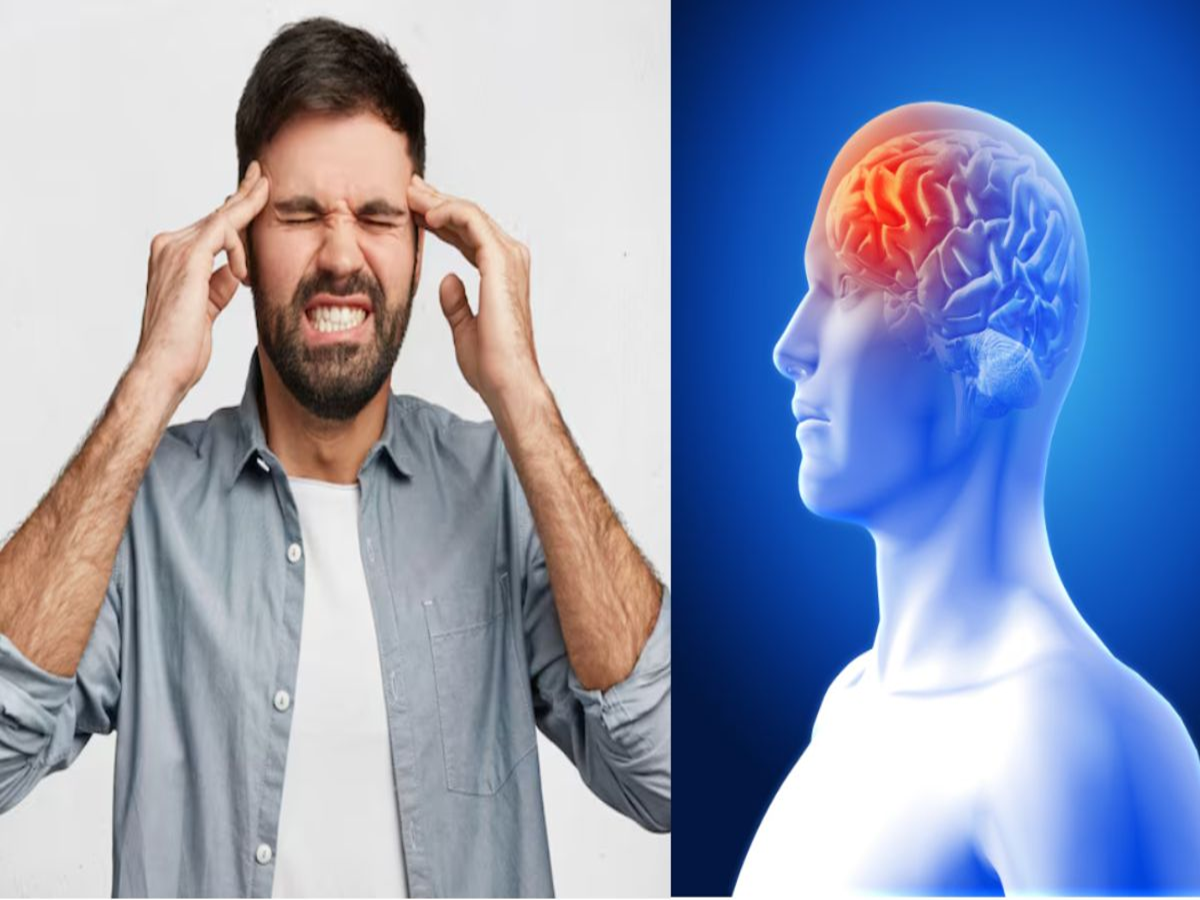
During a stroke, the facial muscles can be affected. According to Dr. Sumant Kumar Gupta, a physician based in Mau, a patient’s mouth may become crooked, and they may experience drooling. One side of the face or an eye might also appear to droop. If such symptoms appear suddenly, they should not be ignored; emergency medical assistance must be sought immediately.
A stroke can cause tingling, numbness, or weakness in the arms and legs. Patients may find it difficult to lift their arms or walk normally. In some cases, one side of the body may be affected. If these symptoms occur suddenly, do not waste time on home remedies—seek emergency help to reach a hospital right away.
Receiving timely treatment after the onset of stroke symptoms is crucial. Getting the patient to a hospital within the first few hours enables doctors to conduct examinations and initiate appropriate treatment. For certain types of strokes, specific treatments can only be administered within a limited timeframe. Therefore, do not wait if symptoms appear; call an ambulance immediately and inform the medical team when the symptoms began. Even if the symptoms seem to resolve on their own, an immediate medical evaluation is still necessary.
High blood pressure and diabetes can increase the risk of a stroke. Dr. Sumant Kumar Gupta emphasizes the importance of keeping these conditions under control. Monitor your blood pressure and blood sugar levels regularly, and take medications as prescribed by your doctor. Do not ignore any abnormal test results. Timely treatment and consistent monitoring can help reduce the risk of a stroke.
Paying attention to your diet is essential for lowering the risk of a stroke. Doctors advise limiting the intake of salt and high-fat foods. Maintain a balanced diet and engage in daily physical activity or exercise, tailored to your personal capacity. Additionally, continue with regular check-ups to keep your blood pressure and blood sugar levels well-managed. A healthy lifestyle can help reduce the risk of many diseases, including stroke.
According to Dr. Sumant Kumar Gupta, individuals over the age of 40 should undergo regular health check-ups. Monitoring blood pressure and blood sugar levels is particularly important. If you have an existing medical condition, continue to manage and treat it as advised by your doctor. If symptoms of a stroke appear, do not self-medicate; instead, seek immediate medical attention at a hospital. Receiving timely medical care can help lower the risk of serious complications.
PC Social Media