Food & recipe
Do you also make these mistakes while preparing the dough for Dal-Baati? Find out the correct method..
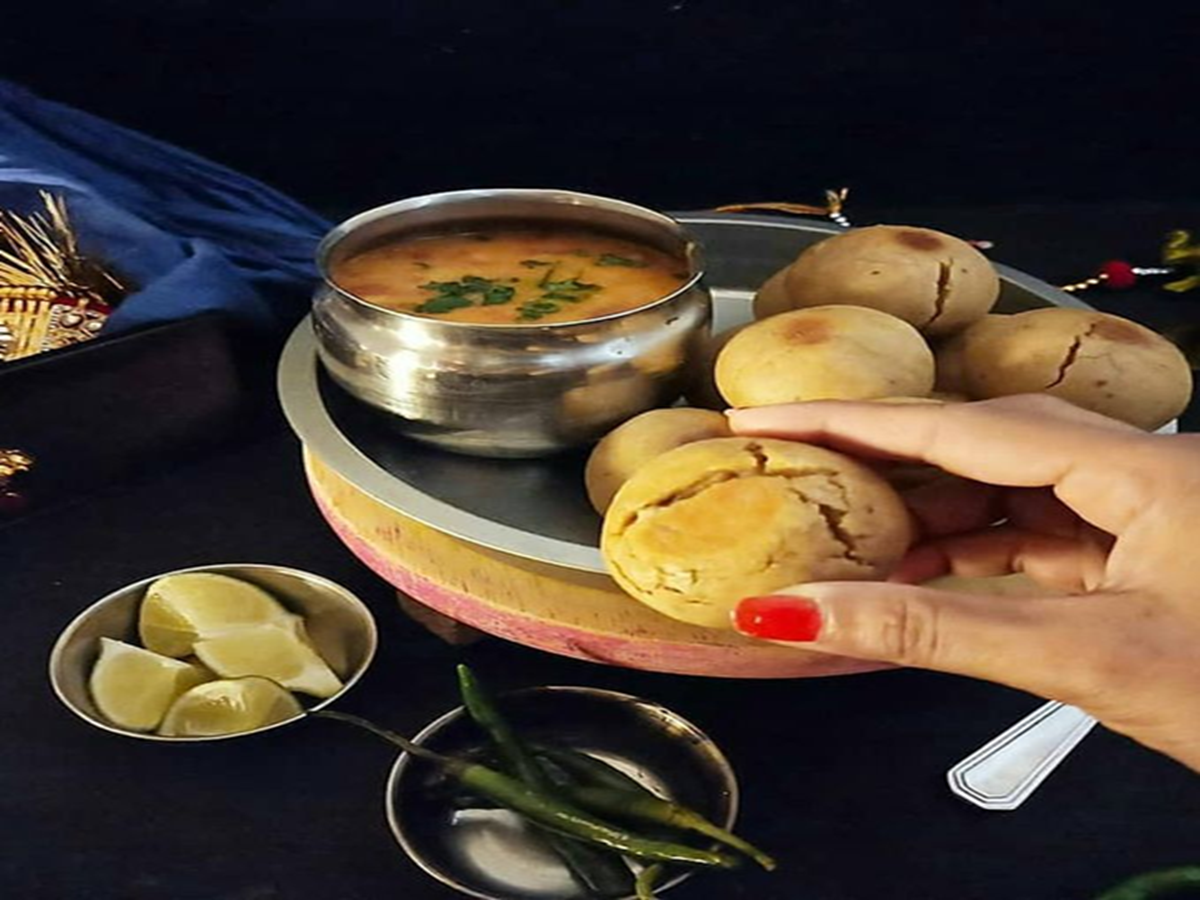
The taste of Rajasthani Dal-Bati depends largely on how the dough for the *bati* is kneaded. Often, even after using the right ingredients, people fail to make *batis* that are soft and cooked thoroughly on the inside. The main reason for this lies in minor errors made while preparing the dough. If you want your *batis* to be crispy on the outside and soft on the inside, knowing the correct kneading technique is essential.
**Ingredients Required for Bati**
Wheat flour – 3 cups
Semolina (Sooji) – ½ cup
Gram flour (Besan) – ¼ cup (optional)
Carom seeds (Ajwain) – 1 teaspoon
Salt – to taste
Desi Ghee – 5 to 6 tablespoons
Lukewarm water – as required
**The Correct Way to Knead the Dough**
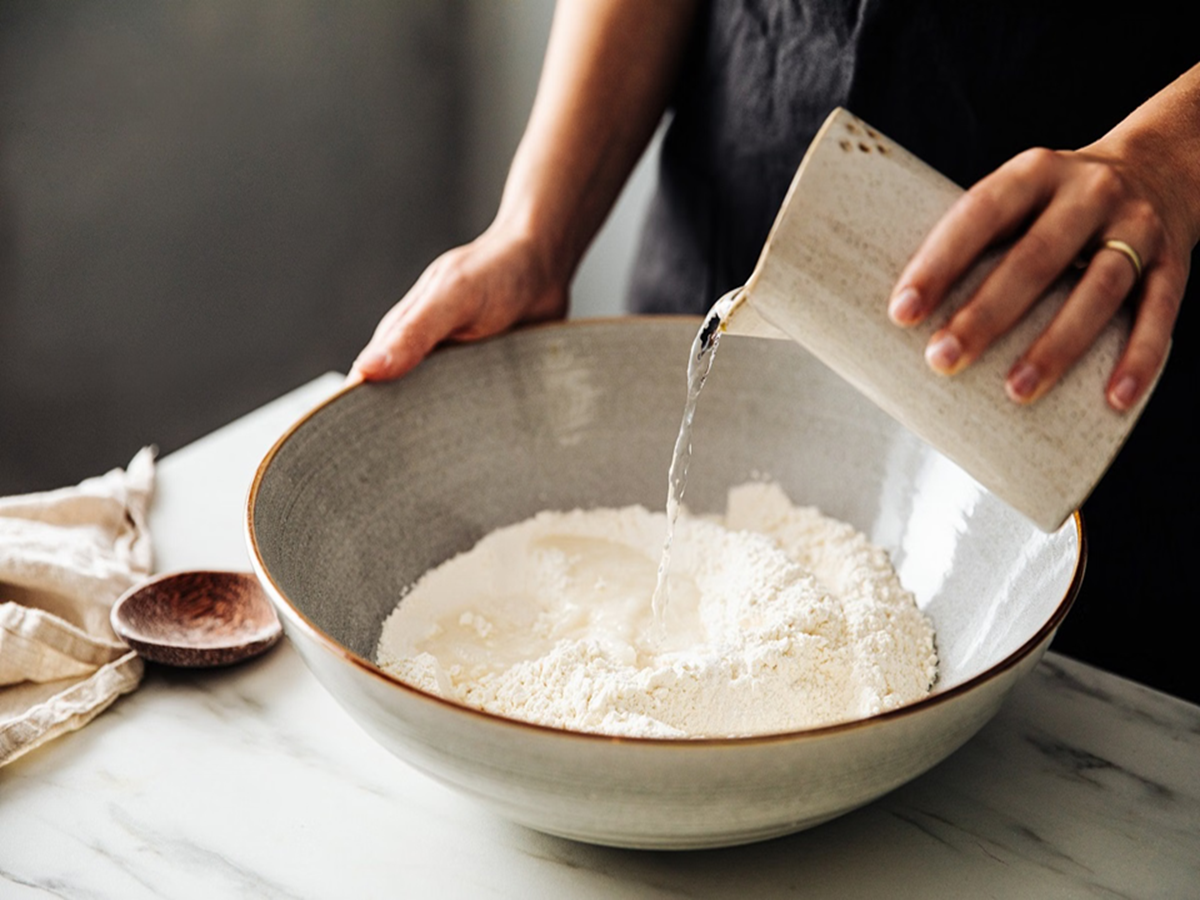
First, take the wheat flour in a large mixing bowl and add the semolina to it. Adding semolina improves the *bati's* texture, giving it a slightly crispy exterior. Now, add the gram flour, carom seeds, and salt, and mix everything well.
Next comes the most crucial step: adding the *moyan* (shortening). Add 5 to 6 tablespoons of desi ghee to the flour and mix it thoroughly using both hands. Incorporate the ghee in such a way that the mixture holds its shape when pressed into a fist; this indicates the perfect amount of *moyan*. Insufficient *moyan* will result in hard *batis*, while too much ghee can cause them to crack or break.
Now, knead the dough by adding lukewarm water gradually. Keep in mind that *bati* dough should not be as soft as *roti* dough; it needs to be kneaded into a firmer consistency so that the *batis* retain their shape and do not crack while cooking. After kneading, cover the dough and let it rest for at least 15 to 20 minutes. This allows the dough to set properly and prevents cracks from forming in the *batis*.
**Tips for Making Perfect Bati**
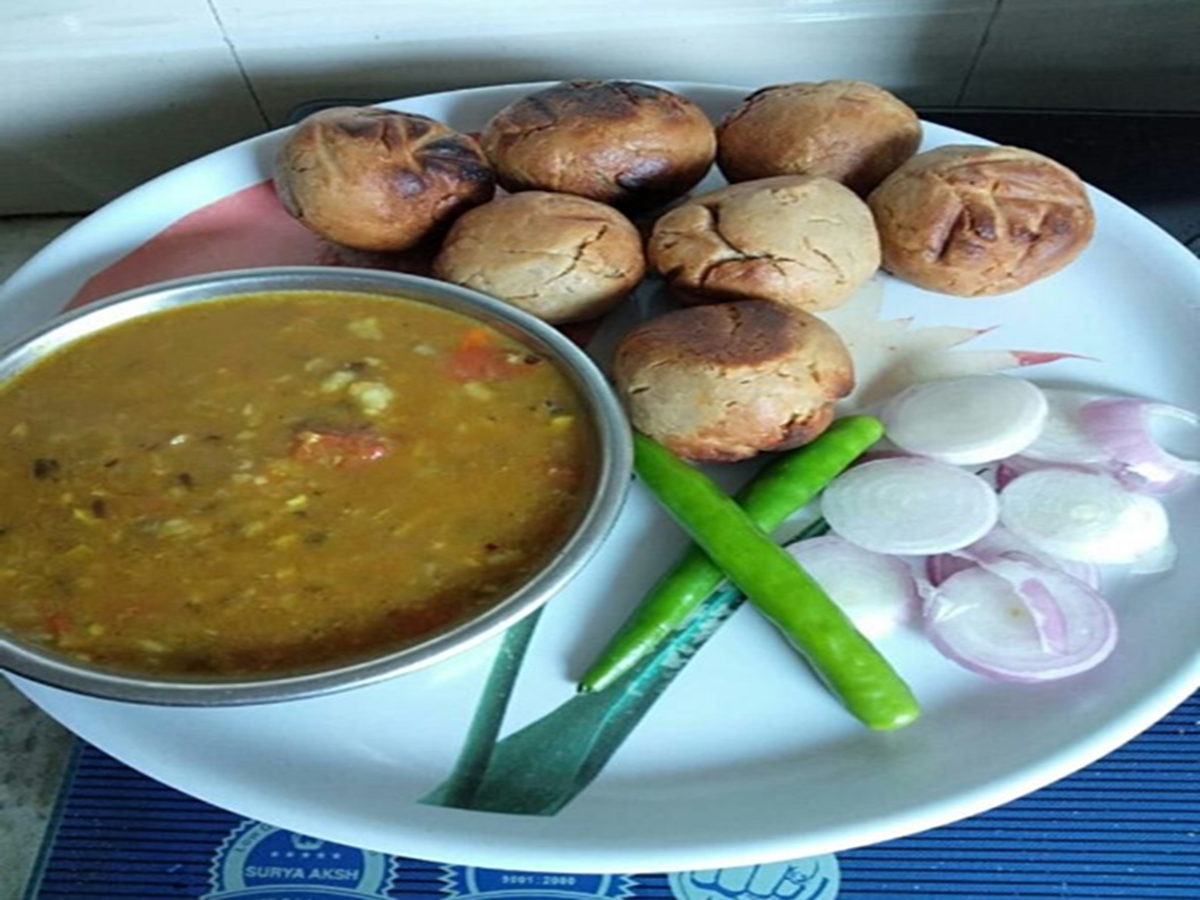
Once the dough is ready, divide it into equal-sized portions and shape them into balls (*loiyas*). Do not over-smooth the balls or press them too tightly. Applying slight pressure to shape the *baati* ensures it cooks evenly all the way through.
Cook the *baati* in an oven, *tandoor*, or on the stovetop over a low flame. Cooking on high heat can cause the *baati* to burn on the outside while remaining raw on the inside. Once cooked, gently press the hot *baatis* and pour plenty of *desi ghee* over them; this is what gives *Dal-Baati* its authentic flavor.
Avoid these mistakes:
Do not knead the dough until it is too soft.
Do not skimp on the *moyan* (shortening/fat mixed into the flour).
Do not shape the *baatis* without letting the dough rest.
Do not cook the *baatis* over high heat.
Do not make the *baatis* too large or too small.
PC Social Media