
LIFESTYLE
Do you know the full form of 'AMBULANCE'? Learn about its 5 types to avoid mistakes in emergencies..
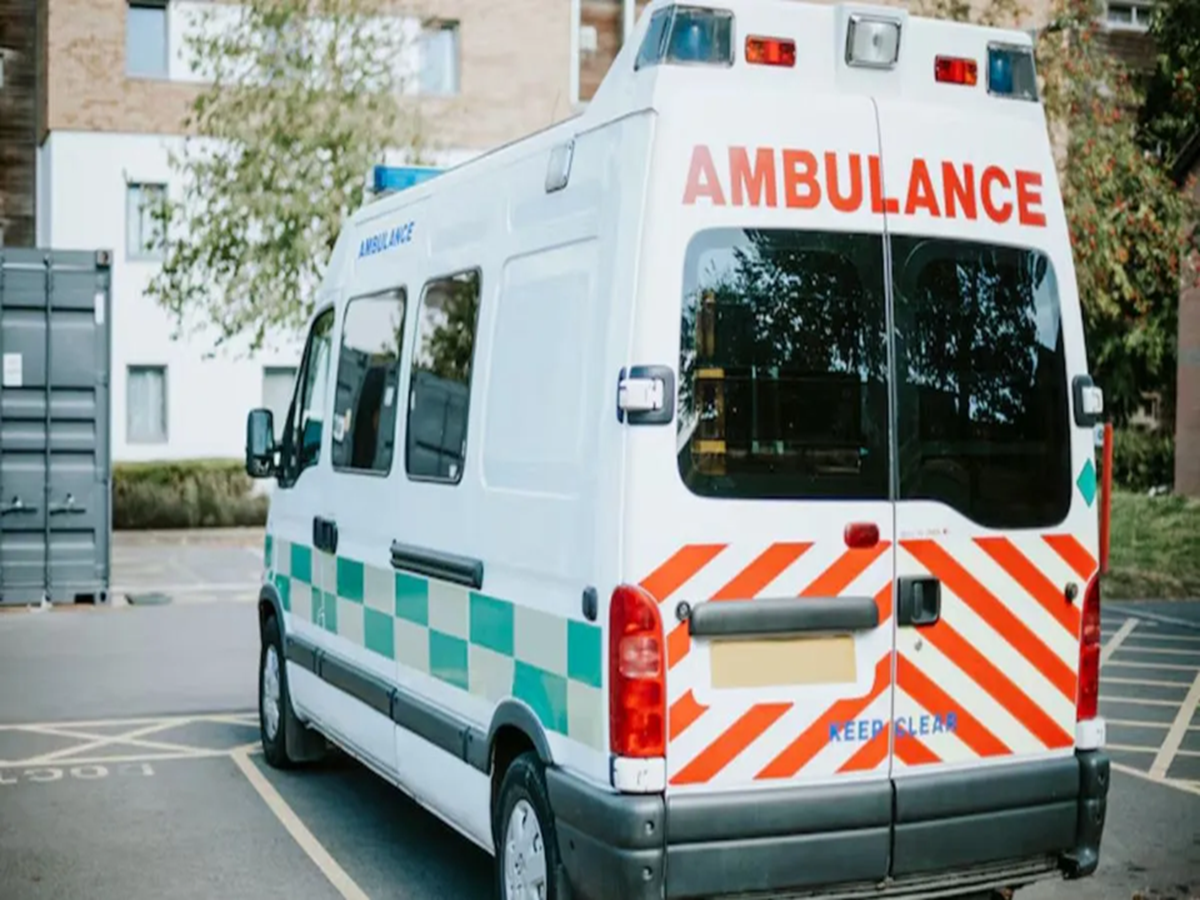
Whenever someone's health suddenly deteriorates or a serious accident occurs, the first word that comes to mind is ambulance. It's not just a vehicle, but the most important link between life and death. That's why ambulances are given first place on the roads.
But did you know that an ambulance is a short form; the full name of this vehicle is something else? If you're surprised to learn this, believe me, many people aren't aware of it. Moreover, not every ambulance is the same.

Different types of ambulances are used for different situations. Therefore, it's crucial to know this so you don't make the wrong decision in an emergency. Let's learn the full form of ambulance and how many types there are.
What is the full form of ambulance?
Ambulance comes from the Latin word Ambulare, which means to move. However, in the medical field, its full form is 'Automobile for Medical Care in Urgent Life-Threatening Situations and Non-Emergency Transportation'.
That is, it is a vehicle used for both emergency and non-emergency medical services. Its main purpose is to transport patients quickly and safely to the hospital and provide necessary treatment along the way.
How many types of ambulances are there?
Today, there are many types of ambulances available, depending on the patient's condition and needs, with both their features and fares varying significantly.
Basic Life Support Ambulance (BLS)
This is the most common and basic ambulance. It contains an oxygen cylinder, first-aid kit, stretcher, and basic medical equipment. It is intended for patients whose condition is not very serious, meaning there is no immediate threat to life.
The fare can range from approximately ₹1,000 to ₹3,000, depending on where you live.
Advanced Life Support Ambulance (ALS)
This ambulance is for more critical patients. It is equipped with a ventilator, monitor, defibrillator, and trained paramedical staff. It is used in cases such as heart attacks, serious accidents, or respiratory problems.
Its fare can range from approximately ₹5,000 to ₹10,000, but this also depends on the location.
Mobile ICU (MICU)
This can also be called a mobile ICU. It has all the modern facilities of an ICU, such as a ventilator, cardiac monitor, emergency medications, and expert medical staff. It is used to transport critical patients from one hospital to another.
Its fare is higher than that of other ambulances because it has more facilities and can range from approximately ₹15,000 to ₹25,000.
Air Ambulance
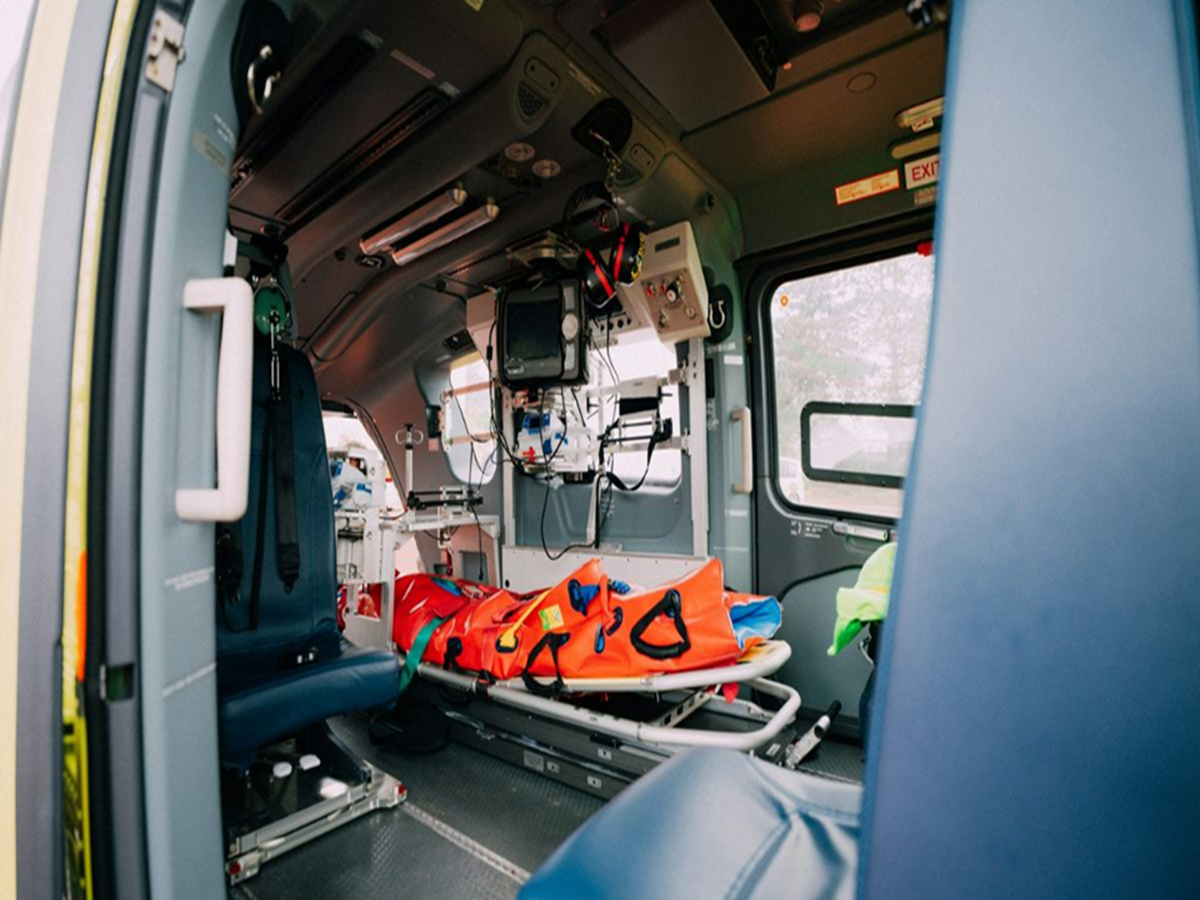
When a patient needs to be transported from a long distance or urgently to a larger hospital, an air ambulance is used. It transports the patient via helicopter or small aircraft. It is the most expensive but the fastest method.
Non-Emergency Patient Transport Ambulance
This type of ambulance is for patients who need to be transported home after dialysis, checkups, or discharge. It does not have emergency equipment, but the patient's safety and comfort are fully considered.
What to consider when calling an ambulance?
Whenever you call an ambulance (102 or 108 in India), be sure to provide the following information accurately:
The patient's condition (is he conscious? Is he having trouble breathing?)
The exact location and landmarks, so the ambulance can easily reach him
Your contact number, so the ambulance can contact you if needed
PC Social Media