LIFESTYLE
Doors to auspicious events will open: Why do weddings and marriage ceremonies begin after Devutthana Ekadashi?
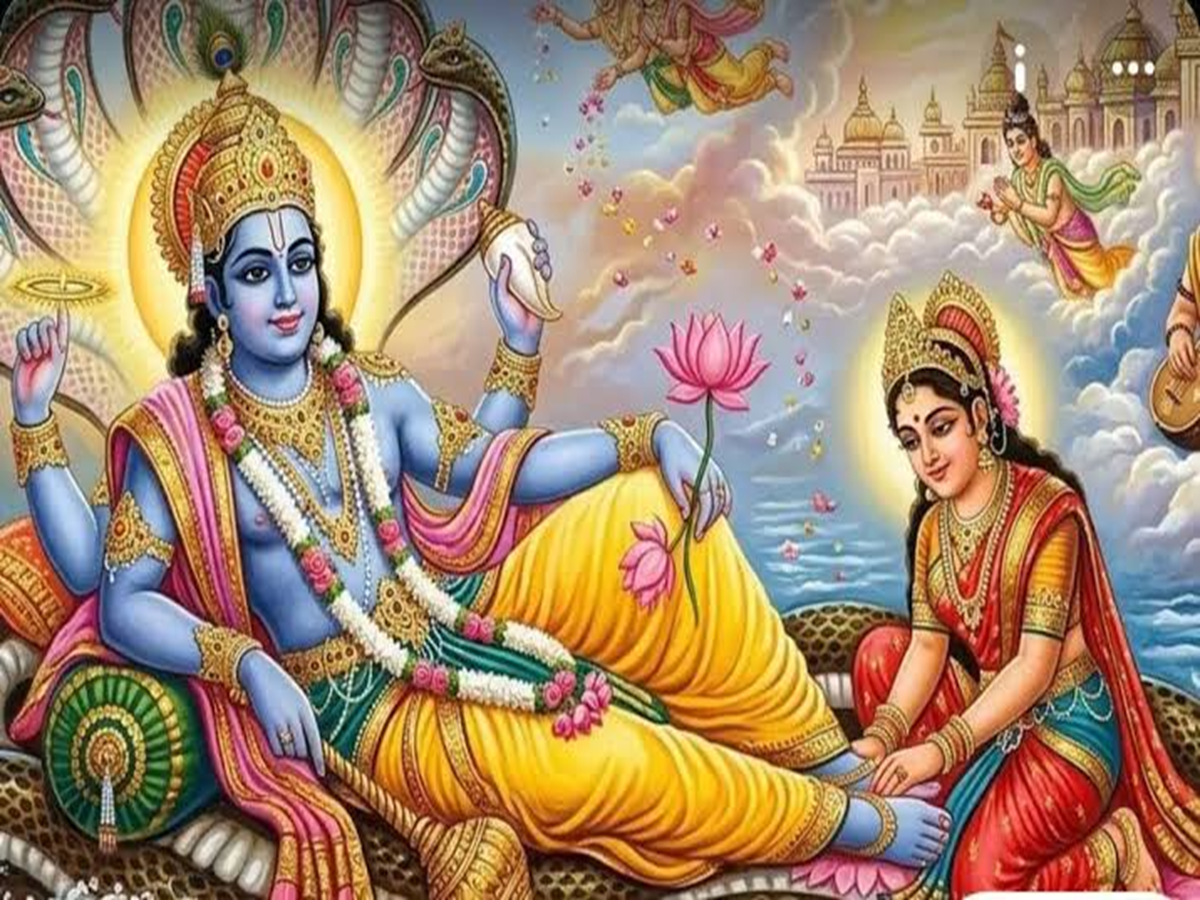
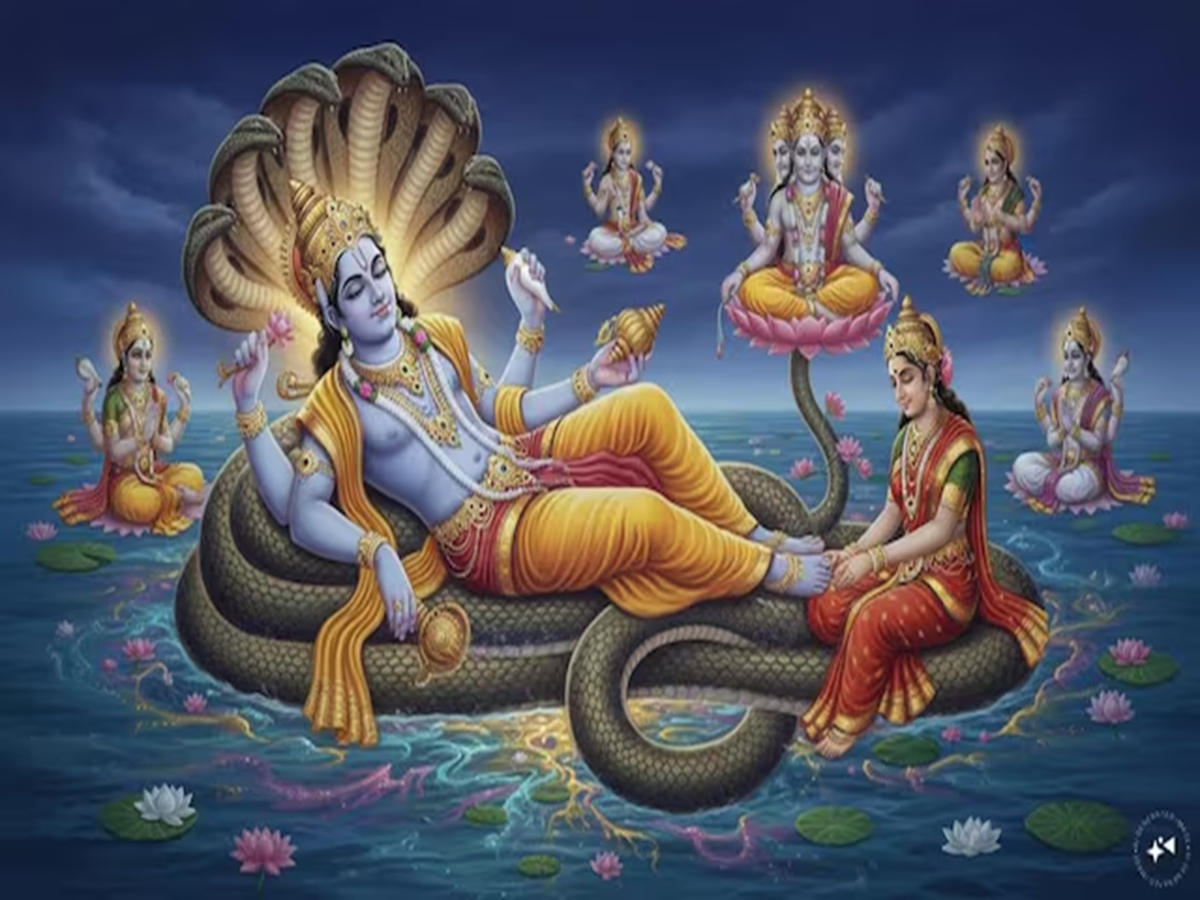
In Hinduism, the Ekadashi tithi (eleventh day) of the month of Kartika is considered highly significant; it is also known as Devuthani, Devotthan, or Devaprabodhini Ekadashi. This Ekadashi falls annually during the bright fortnight (Shukla Paksha) of the month of Kartika. It is believed that on this day, Lord Vishnu (Shri Hari) awakens from his 'Yog Nidra' (divine slumber), marking the conclusion of the 'Chaturmas' period.
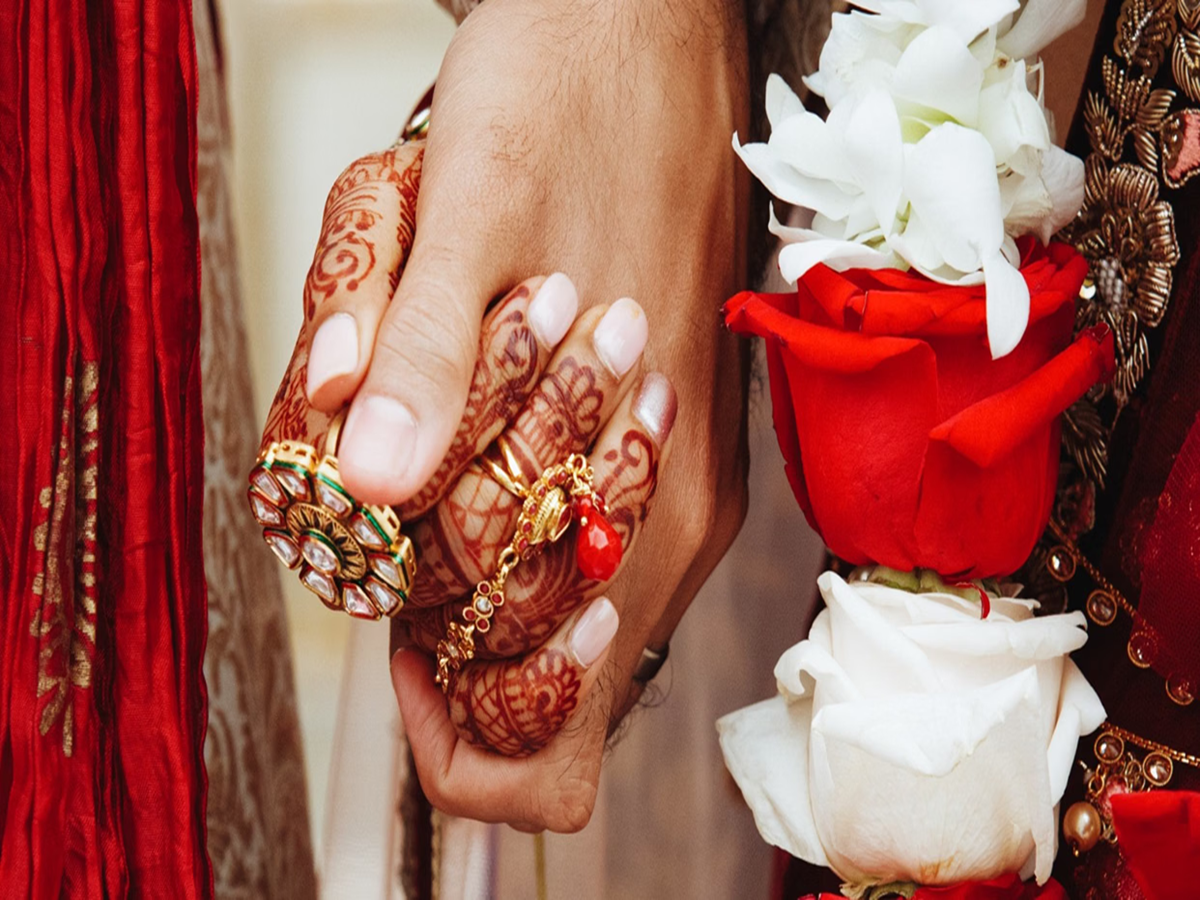
Following this day, auspicious activities—such as weddings, housewarming ceremonies (Griha Pravesh), and the 'Mundan' (tonsure) ritual—can commence. A common question that arises is: why do these auspicious ceremonies begin only after this specific date? This year, the festival will be observed on November 20th. Let us explore the reasons why weddings and other auspicious events begin only after Devuthani Ekadashi.
Lord Vishnu Awakens from Divine Slumber
According to Puranic traditions, on the Ekadashi of the bright fortnight of the month of Ashadha—known as 'Devshayani Ekadashi'—Lord Vishnu enters a state of 'Yog Nidra' within the 'Kshirsagar' (the cosmic ocean of milk). He remains there for four months, immersed in this divine slumber; this four-month duration is referred to as 'Chaturmas'. On the Ekadashi of the bright fortnight of the month of Kartika, Lord Vishnu awakens and resumes his role in overseeing the affairs of the world.
It is considered inauspicious to conduct significant ceremonies while Lord Vishnu is in his state of divine slumber. As Lord Vishnu is regarded as the sustainer of the universe and holds a central place in traditions related to rites such as marriage, it is deemed appropriate to pause weddings and other auspicious events during his period of rest.
Why do auspicious activities begin only after Devuthani Ekadashi?
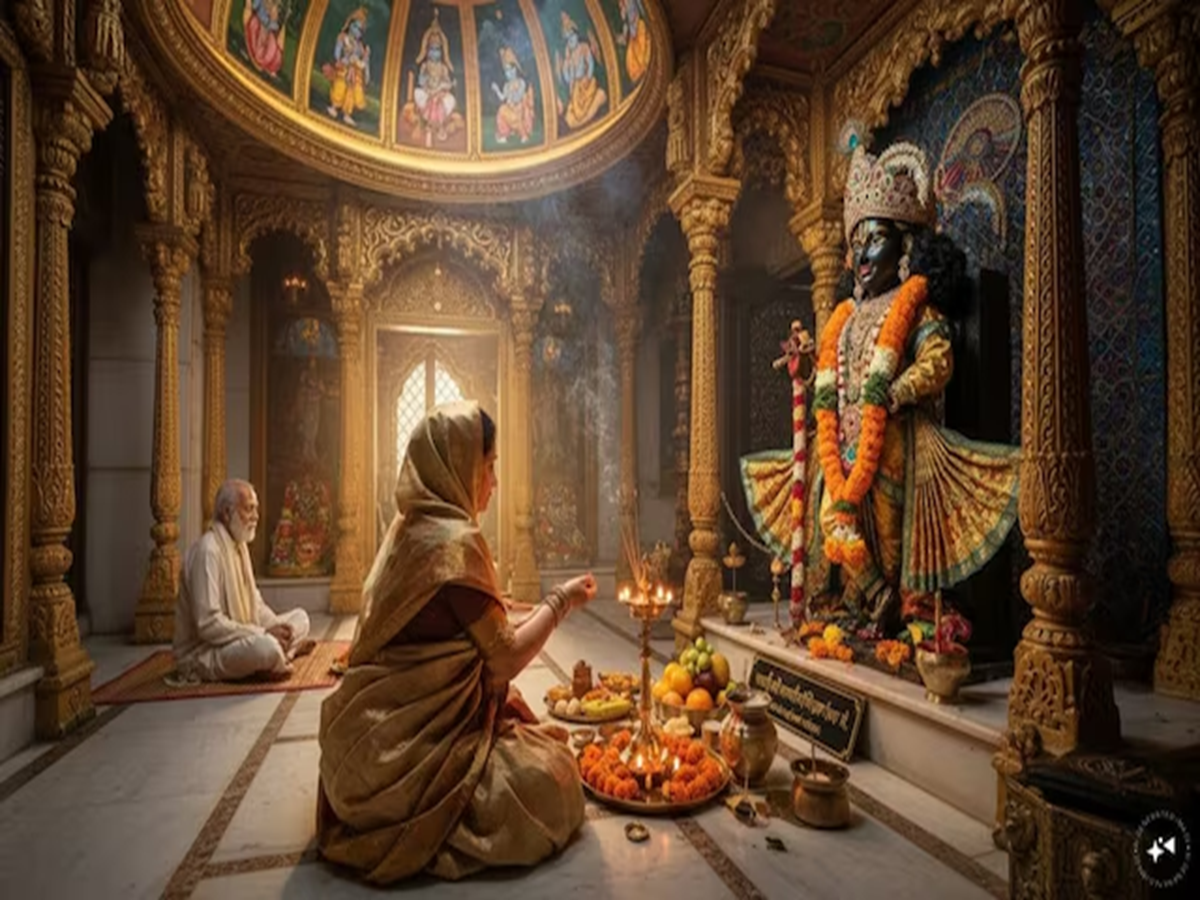
With the awakening of Lord Vishnu on the Ekadashi of the bright fortnight of Kartika, the period of Chaturmas comes to an end. Consequently, this day is seen as the symbolic resumption of auspicious activities. On this day, special worship is offered to Lord Vishnu and Goddess Lakshmi. The very next day marks the tradition of 'Tulsi Vivah,' which is considered a symbol of the commencement of auspicious activities. Although an auspicious time (*muhurta*) is still required for performing such activities even after Devutthana Ekadashi, weddings and other auspicious ceremonies can be conducted once a suitable *muhurta* is identified.
Why are no auspicious activities performed during Chaturmas?
During the four months of Chaturmas, the tradition emphasizes self-restraint, worship, and religious observances. There are no auspicious *muhurtas* for weddings during this period; it is believed that this is not the right time for auspicious ceremonies, as they lack the blessings of Lord Vishnu.
When is Devutthana Ekadashi this year?
According to the *Panchang* (Hindu calendar), Devutthana Ekadashi—which falls on the Ekadashi of the *Shukla Paksha* (waxing phase of the moon) in the month of Kartika—will be observed on November 20.
The Ekadashi *tithi* (lunar day) begins at 7:15 AM on November 20.
The Ekadashi *tithi* concludes at 6:31 AM on November 21.
Devutthana Ekadashi holds special significance in Hinduism, as it marks the beginning of auspicious undertakings. The tradition of 'awakening the deities' on this day is centuries old.
PC Social Media