LIFESTYLE
Today, Shri Hari will awaken from Yog-nidra! Find out everything about Devutthana Ekadashi..
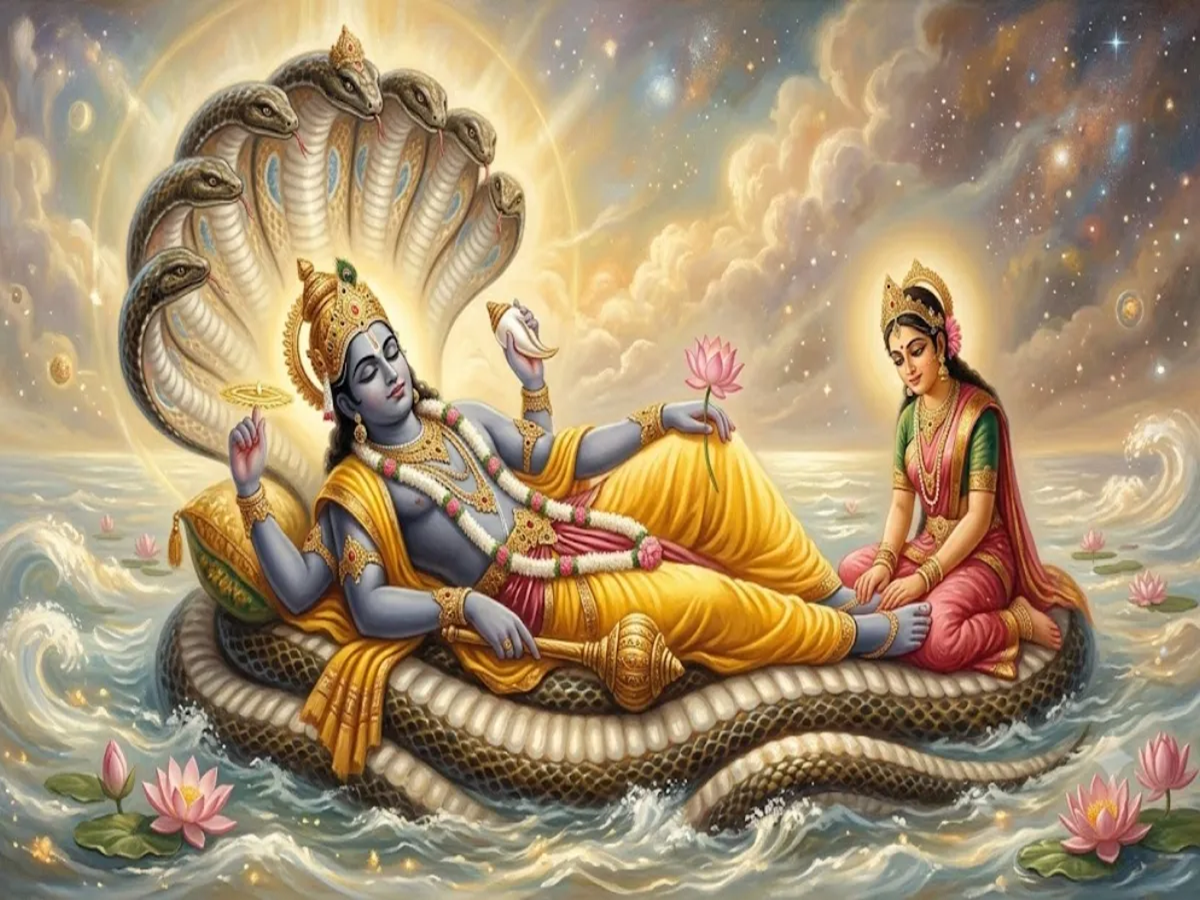
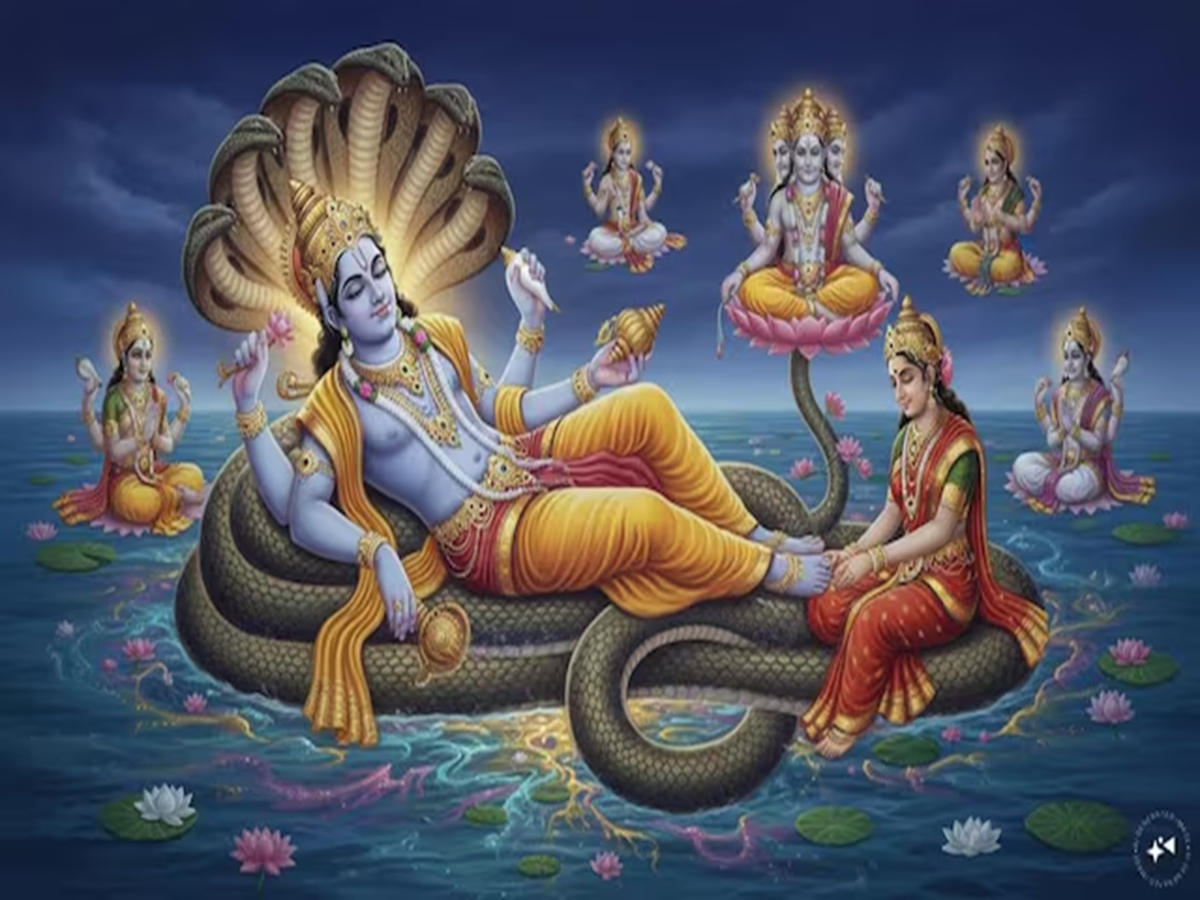
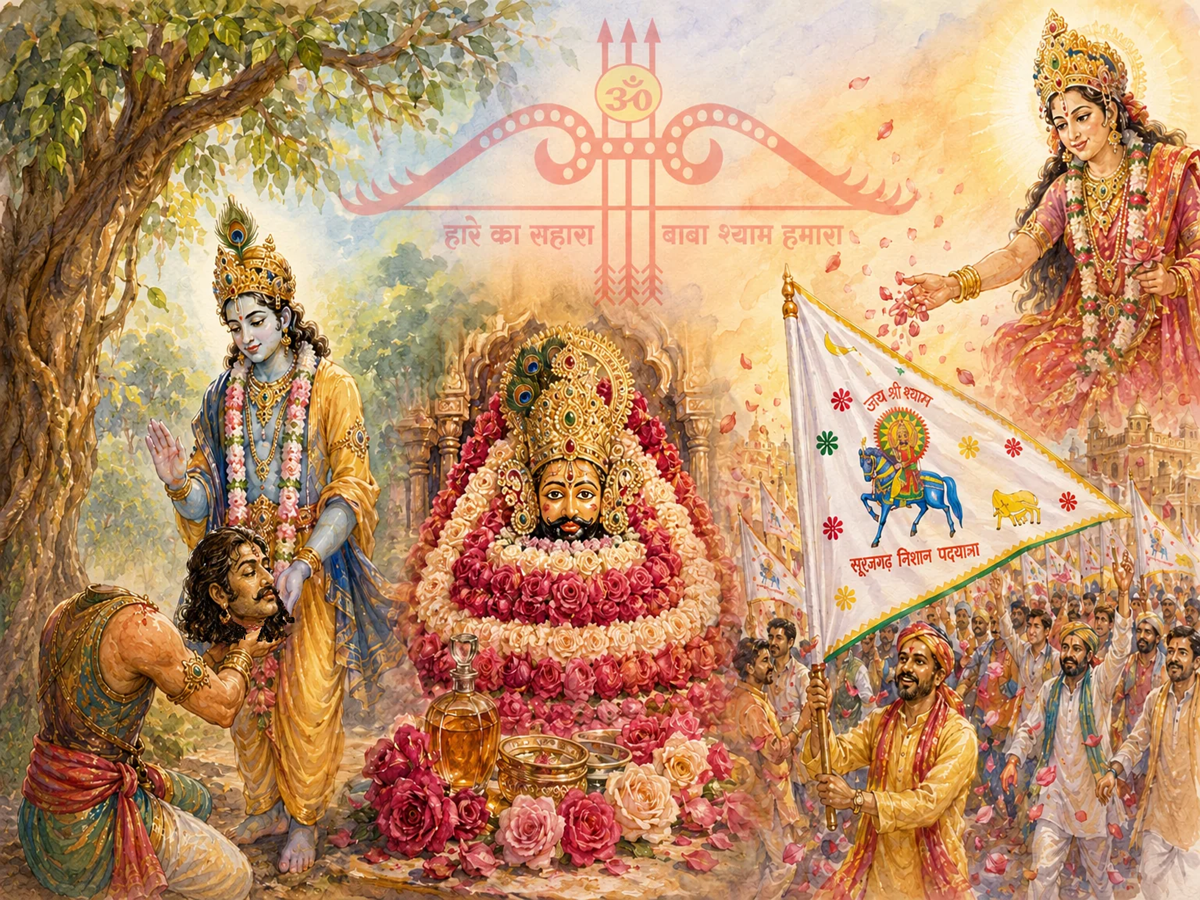
In Hinduism, Devutthana Ekadashi holds special religious significance. The Ekadashi tithi (eleventh day) of the bright fortnight (Shukla Paksha) in the month of Kartika is known as Devutthana Ekadashi. It is believed that on this day, Lord Vishnu (Shri Hari) awakens from his 'Yoga Nidra' (divine slumber), marking the commencement of auspicious activities. It is also referred to as Devotthana Ekadashi and Prabodhini Ekadashi.
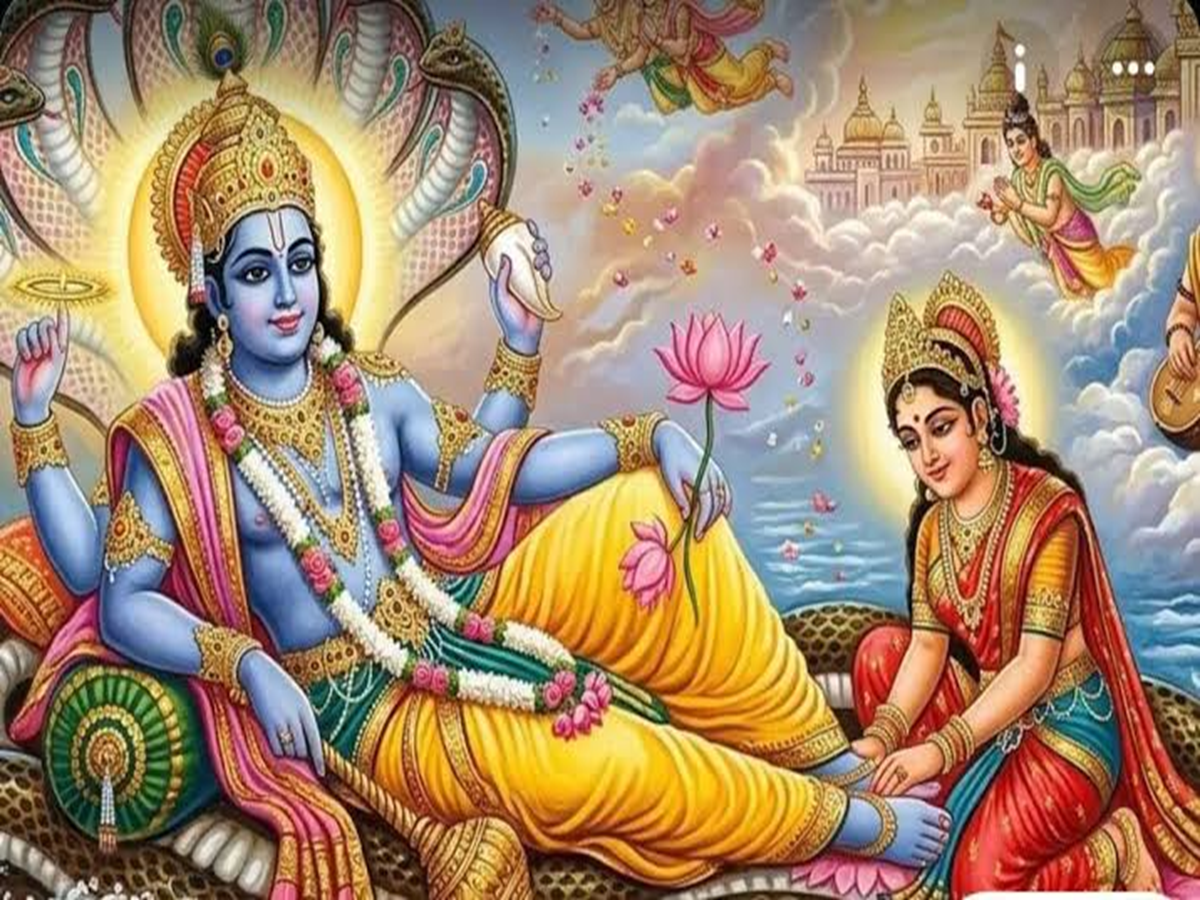
On this day, Lord Vishnu is worshipped, typically alongside Goddess Lakshmi, and the 'Vrat Katha' (the sacred narrative associated with the fast) is recited. Worship performed during an auspicious time (shubh muhurat) on this day is considered especially pleasing to Lord Vishnu. Below, you will find information regarding the auspicious timings for worship, the correct ritual procedure, the 'Vrat Katha', and other relevant details for Devutthana Ekadashi.
Auspicious Timings (Shubh Muhurat) for Devutthana Ekadashi 2026
This year, Devutthana Ekadashi falls on November 20th; worshipping Lord Vishnu on this day is considered highly rewarding.
There are several auspicious timings (muhurats) on Devutthana Ekadashi during which worship is believed to be particularly fruitful:
Abhijit Muhurat: November 20, from 11:45 AM to 12:28 PM
Vijaya Muhurat: November 20, from 1:54 PM to 2:36 PM
Godhuli Muhurat: November 20, from 5:27 PM to 5:53 PM
Pradosh Kaal: November 20, from 5:25 PM to 8:06 PM
Nishita Muhurat: November 20, from 11:41 PM to 12:34 AM
Ritual Procedure (Puja Vidhi) for Devutthana Ekadashi
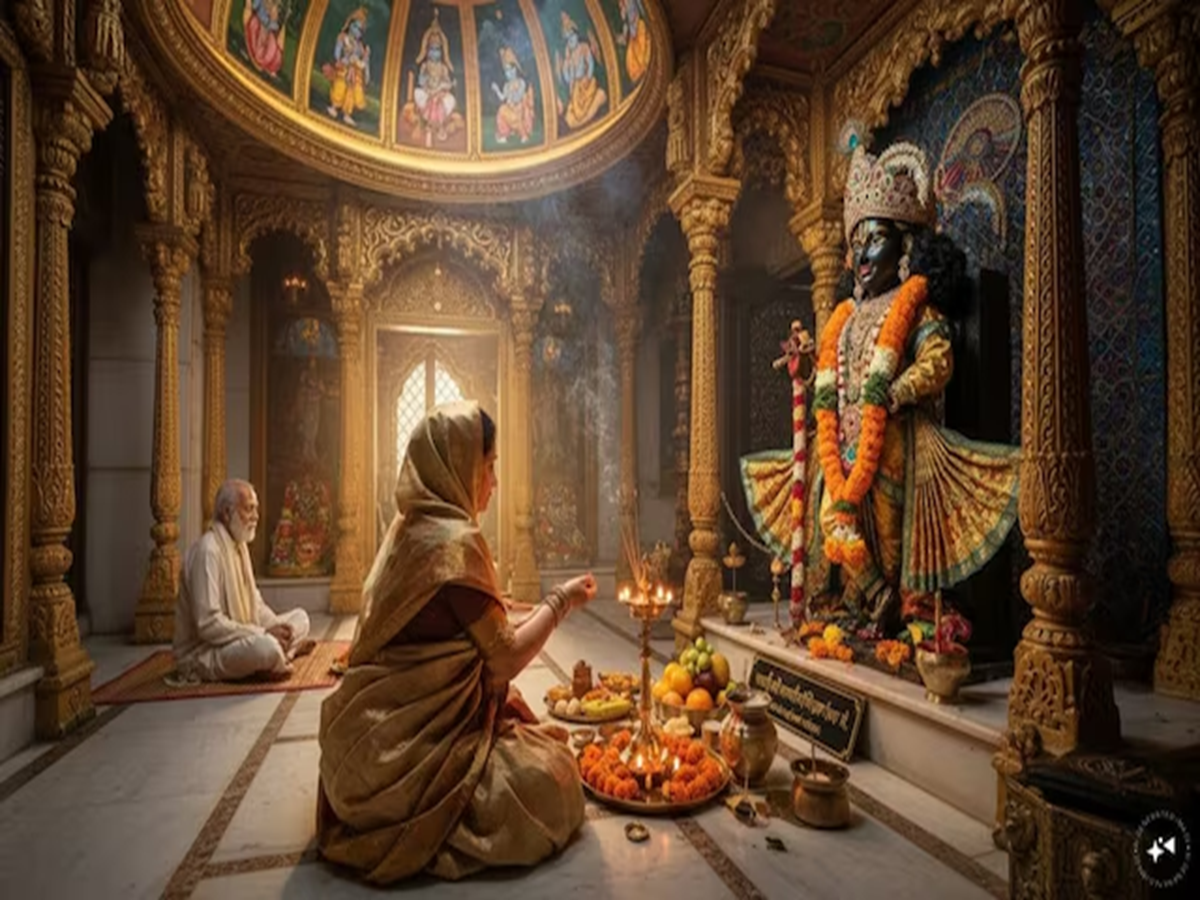
Performing the worship of Lord Vishnu and Goddess Lakshmi with prescribed rituals on Devutthana Ekadashi is of great significance. Let us look at the proper procedure to ensure the worship is spiritually rewarding:
On the day of Devutthana Ekadashi, wake up during the 'Brahma Muhurat' (the early morning period before sunrise), bathe, and wear clean, fresh clothing. While meditating on Lord Vishnu, take water and flowers in your hands and make a solemn vow (sankalpa) to observe the Ekadashi fast.
Thoroughly clean your home shrine or place of worship. Place a red cloth over a small platform (chowki) and install idols or images of Lord Vishnu and Goddess Lakshmi.
Light a ghee lamp before Lord Vishnu and offer yellow flowers, unbroken rice grains (akshat), sandalwood paste, and Tulsi leaves. Please note that plucking Tulsi leaves on any Ekadashi tithi is prohibited; therefore, ensure you pluck them a day in advance.
Offer *panchamrit* (a sacred mixture of five ingredients), fruits, sweets, and yellow-colored items to Lord Vishnu. Ensure that you include Tulsi leaves in these offerings.
Read or listen to the full narrative (katha) of Devutthana Ekadashi and chant mantras dedicated to Lord Vishnu. Conclude the worship by performing the *aarti* of Lord Vishnu and Goddess Lakshmi, as well as the *aarti* of Mother Tulsi.
In the evening, light ghee lamps at your home shrine, near the main entrance, and beside the Tulsi plant.
If you are observing a fast, break it (paran) on the following day—the Dwadashi tithi—during an auspicious time, after performing worship to Lord Vishnu.
Significance of Devutthana Ekadashi
Devutthana Ekadashi holds special significance in Hinduism. It is also known as Prabodhini Ekadashi or Devutthana Ekadashi. This festival is celebrated on the Ekadashi tithi of the bright fortnight (shukla paksha) in the month of Kartika. According to religious belief, it is on this day that Lord Vishnu awakens from a four-month-long period of divine slumber (*yoga-nidra*). For this reason, the day is considered highly auspicious.
This Ekadashi marks the conclusion of *Chaturmas* (the four-month holy period), signaling the commencement of all auspicious ceremonies, including weddings.
Worshipping the Tulsi plant on this day is believed to bring the blessings of Lord Vishnu. On the day following Devutthana Ekadashi—the Dwadashi tithi—the *Tulsi Vivah* (the ceremonial marriage of the Tulsi plant to Lord Vishnu) is performed, which is considered to be especially meritorious. The Story of the Devuthani Ekadashi Vrat (Fast)
In ancient times, in a certain king’s realm, everyone observed the Ekadashi fast. On this day, the sale of food grains was prohibited throughout the kingdom, and everyone subsisted solely on fruits and other permitted non-grain foods (*phalahar*).
Once, Lord Vishnu decided to put the king to the test. He assumed the form of a beautiful woman and sat by the roadside. Upon seeing her, the king became captivated by her beauty and proposed marriage. The woman set a condition: the king would have to hand over the authority of his entire kingdom to her. The king agreed to this condition.
The following day—which happened to be Ekadashi—the new queen issued orders to allow the sale of food grains in the kingdom and the preparation of non-vegetarian food within the royal palace. When the king refused to partake of the meal,
PC Social Media