Food & recipe
From Maa Shailaputri to Siddhidatri: Discover the favorite offering for each day of Navratri..
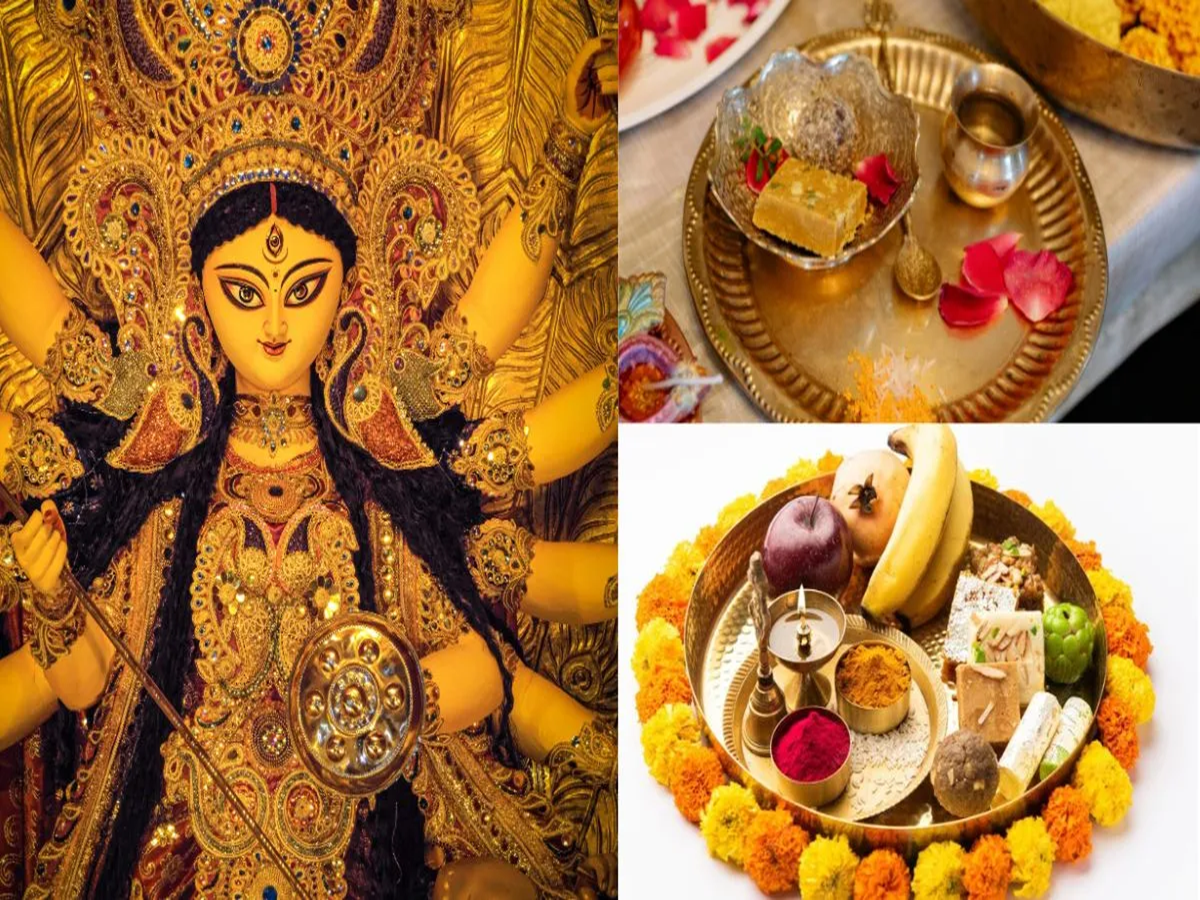
Shardiya Navratri 2026: 9 Days of *Bhog* (Offerings): Worshipping the nine forms of Goddess Durga holds special significance during Navratri. Over these nine days, devotees worship every form of the Goddess, from Maa Shailputri to Maa Siddhidatri. Along with offering flowers, fruits, and sweets, there is a tradition of presenting the Goddess with her favorite *bhog* (ritual food offerings). It is believed that offering *bhog* to the Mother Goddess with a sincere heart and devotion brings happiness and prosperity to the home and ensures the Goddess's continued blessings upon the family.
But did you know that on the first day of Navratri, *bhog* of cow's ghee is offered to Maa Shailputri, while on the second day, there is a tradition of offering sugar and *mishri* (rock sugar) to Maa Brahmacharini? Similarly, specific *bhog* offerings are prescribed for each day of Navratri, linked to the specific form of the Goddess and religious beliefs.
If you wish to make your worship of Goddess Durga special this Navratri, learn which *bhog* is offered to which Goddess on each of the nine days and what points should be kept in mind while making these offerings.
First Day, Maa Shailputri – Pure Cow's Ghee
Maa Shailputri is worshipped on the first day of Navratri. She is considered the daughter of the King of Mountains, Himalaya, and a form of Maa Parvati. On this day, there is a tradition of offering pure cow's ghee to the Goddess. It is believed that this offering invokes blessings for good health and prosperity. Sweets prepared with pure ghee can also be offered to Maa Shailputri.
Second Day, Maa Brahmacharini – Sugar and *Mishri*
Maa Brahmacharini is the symbol of penance, restraint, and spiritual practice. On the second day, there is a tradition of offering sugar, *mishri* (rock sugar), and fruits to her. Devotees pray to the Goddess for patience, inner strength, and the fortitude to face difficult situations in life.
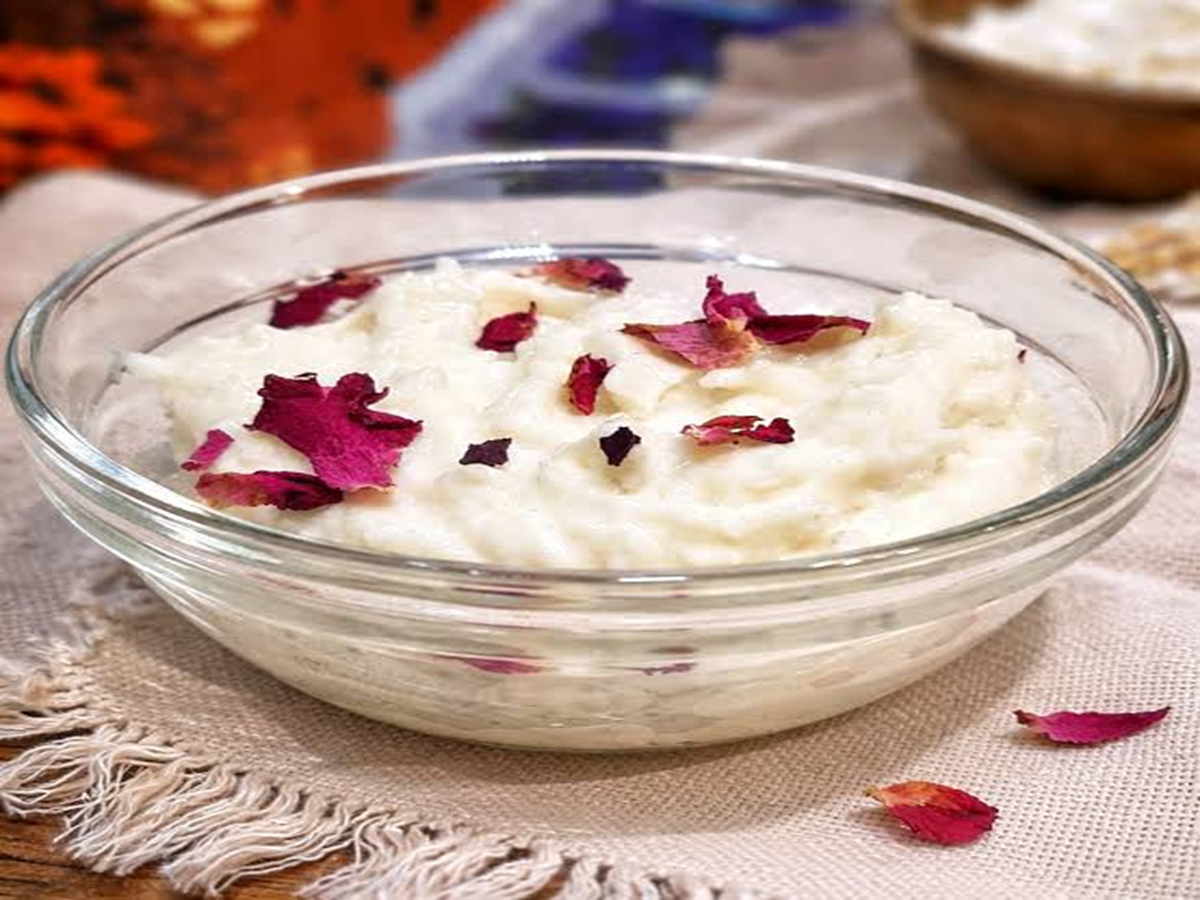
Day 3, Maa Chandraghanta – Milk and Kheer
Maa Chandraghanta is revered as a symbol of courage, valor, and strength. On the third day, the Goddess is offered milk, milk-based sweets, or *kheer* (rice pudding). It is believed that worshipping Her inspires devotees to attain fearlessness and mental peace.
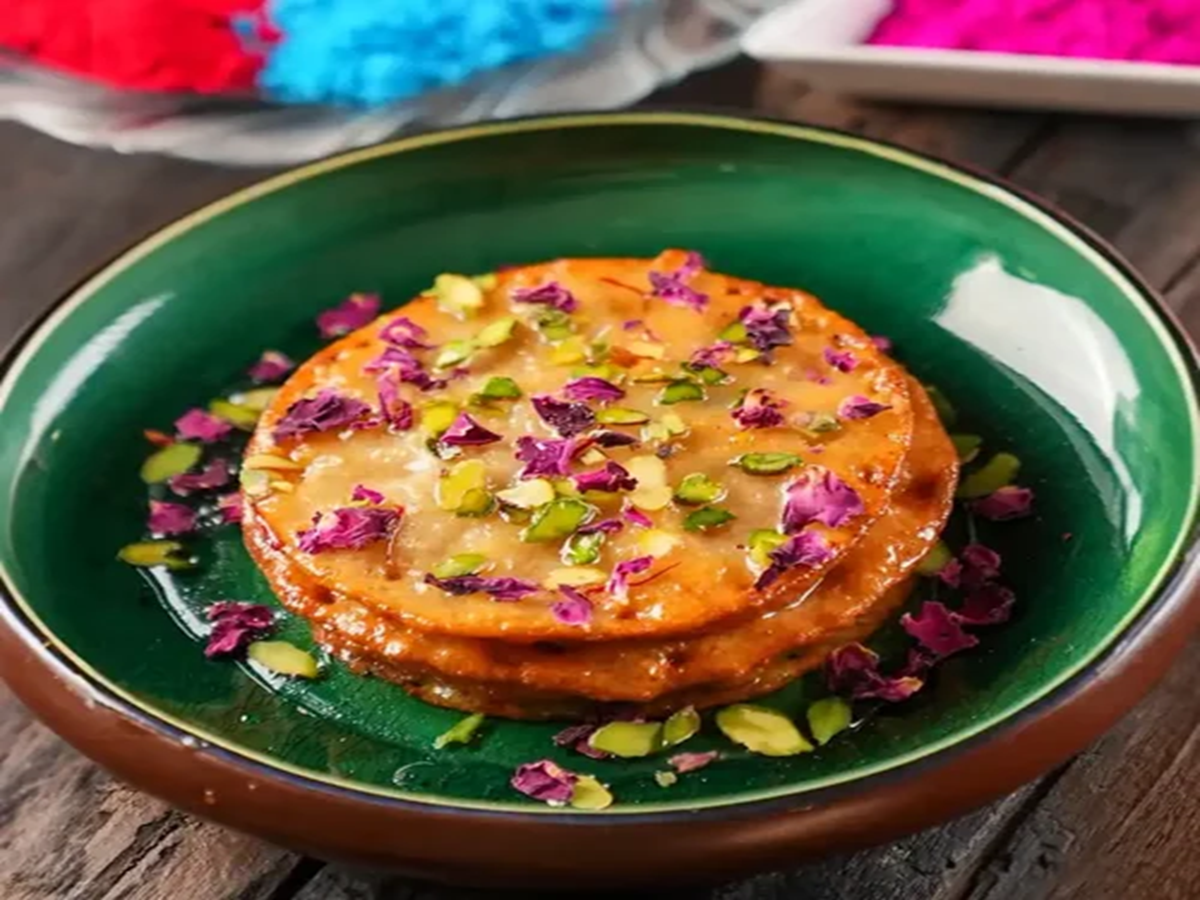
Day 4, Maa Kushmanda – Malpua
Maa Kushmanda is worshipped as the embodiment of the creative energy of the universe. There is a tradition of offering *malpua* to Her on the fourth day of Navratri. Devotees pray to the Goddess for positivity, energy, happiness, and prosperity in their lives.
Day 5, Maa Skandamata – Banana
Maa Skandamata is the mother of Lord Kartikeya. Her form conveys a message of affection, tender love, and motherhood. It is customary to offer bananas to the Goddess on the fifth day. Devotees worship Her seeking family well-being, happiness regarding their children, and good health.
Day 6, Maa Katyayani – Honey
Maa Katyayani is regarded as the embodiment of power and valor. There is a tradition of offering honey to Her on the sixth day. Devotees pray to Her for self-confidence, courage, and the strength to overcome life's obstacles.
Day 7, Maa Kalaratri – Jaggery
Maa Kalaratri is revered as the destroyer of negative forces. On the seventh day, jaggery or sweets made from jaggery are offered to Her. It is believed that worshipping Her dispels fear and grants the courage to face adverse circumstances.
Day 8, Maa Mahagauri – Coconut
Maa Mahagauri is considered a symbol of purity, peace, and serenity. There is a tradition of offering coconut to Her on *Ashtami* (the eighth day). In many households, *Kanya Pujan* (worship of young girls) is also performed on this day. Devotees pray to Her for peace and happiness in the family and the fulfillment of their wishes.
Ninth Day, Goddess Siddhidatri – Sesame Seeds
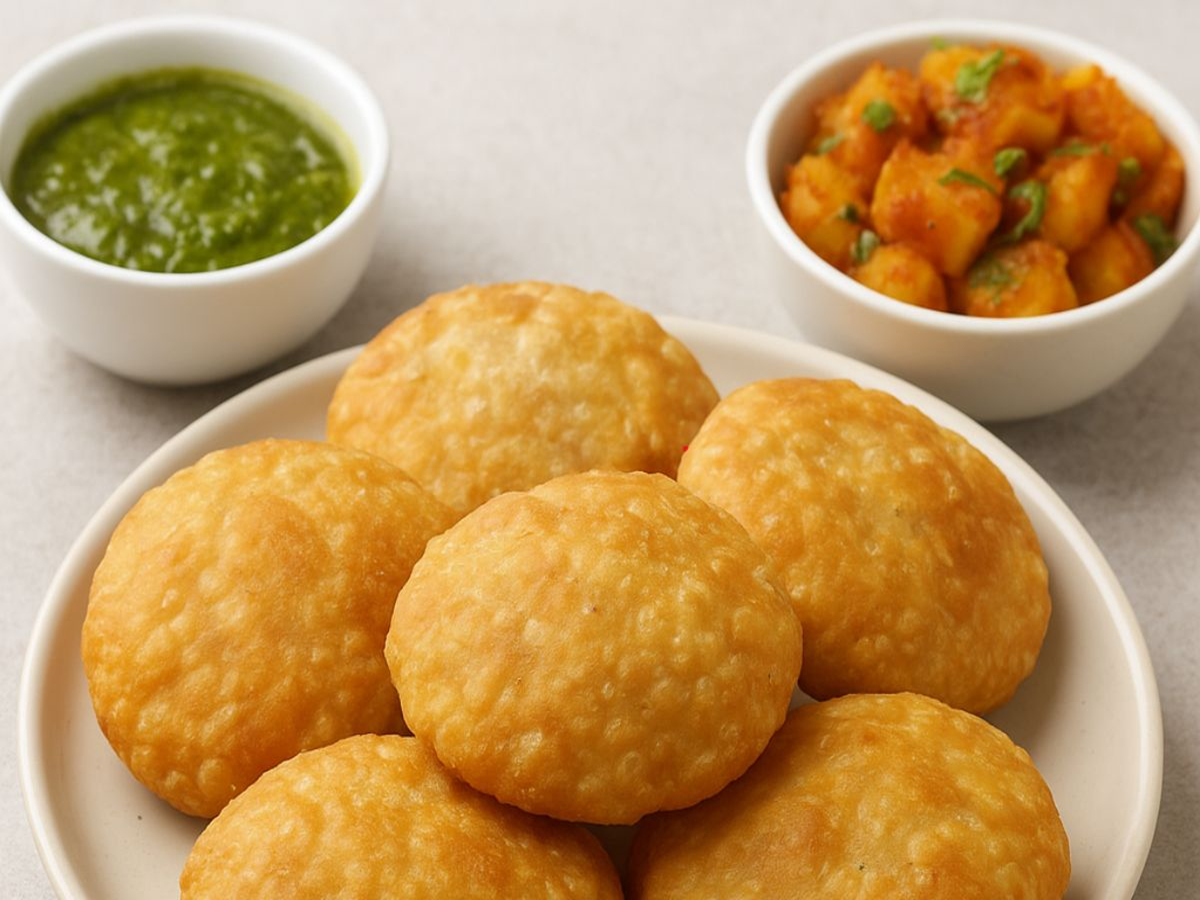
Goddess Siddhidatri is worshipped on the final day of Navratri. She is revered as the bestower of *Siddhi* (spiritual powers), knowledge, and perfection. According to tradition, sesame seeds are offered to the Goddess on this day. On Navami, many families perform *Kanya Pujan* (worship of young girls) after preparing *Prasad* consisting of *Halwa*, *Puri*, and *Chana* (black chickpeas).
Points to keep in mind while offering *Bhog* during Navratri:
Always prepare the *Bhog* with devotion and cleanliness.
Before offering the *Bhog* to the Goddess, transfer it to a separate vessel and place it at the worship site.
Adhere to your family traditions and local customs.
If offering a specific food item is not possible, you may offer fruits or homemade *Sattvic* *Prasad*.
When performing *Kanya Pujan* on Ashtami and Navami, ensure the food is hygienic and consider the preferences of the young girls.
Note: This list of *Bhog* offerings for the nine days is based on religious beliefs prevalent in North India. Traditions regarding *Bhog* may vary across different regions and families.
PC Social Media