
LIFESTYLE
Health Alert: If parents have kidney disease, are their children also at risk? Find out how to address the genetic risk..

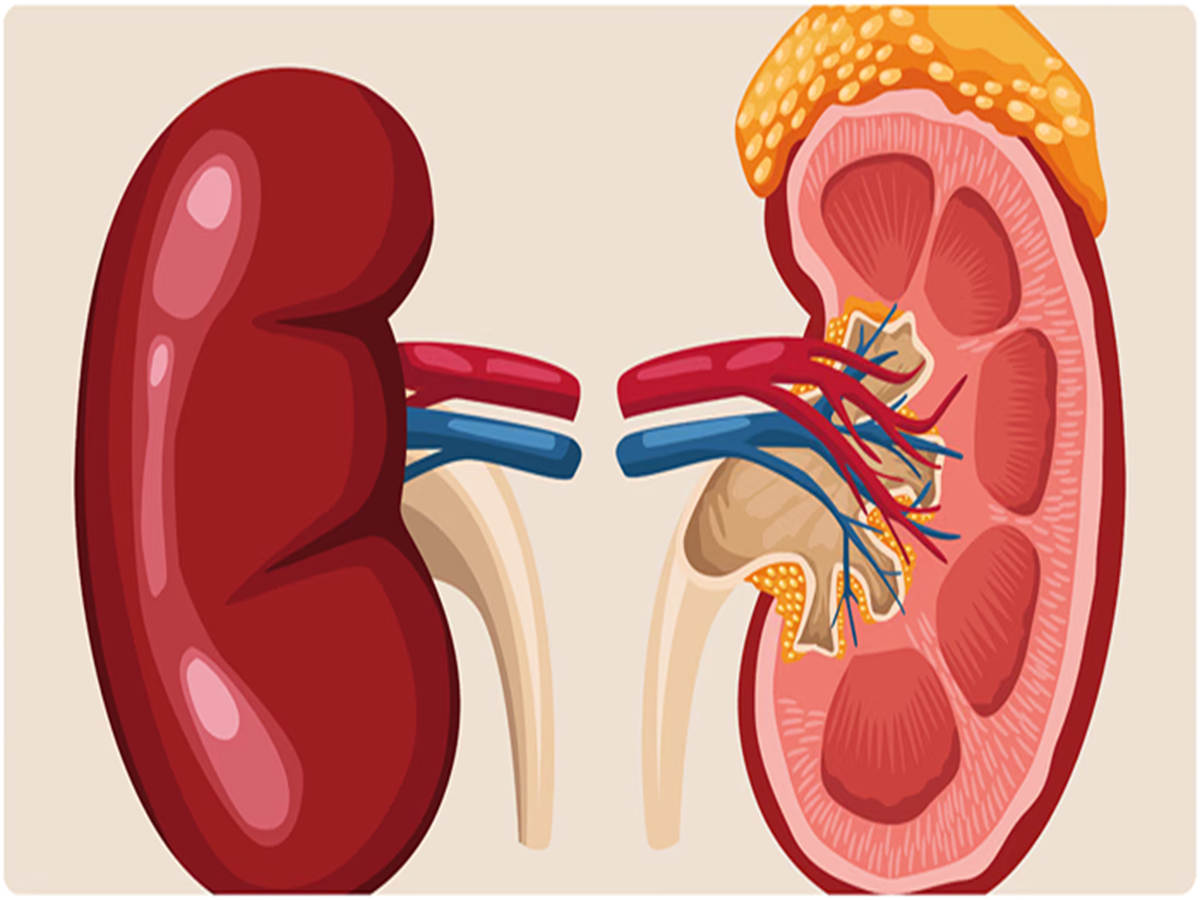
Poor lifestyle choices and unhealthy dietary habits have caused serious harm to our health. They have increased the risk of various conditions—ranging from heart-related issues, obesity, and diabetes to liver and kidney diseases. The kidneys are among the most vital organs in the human body; they work continuously to filter the blood and eliminate toxins. Furthermore, they play a crucial role in maintaining the balance of water, salts, and minerals in the body, as well as in regulating blood pressure.

Given this, consider how severely one's health could be affected if the kidneys were to develop a problem. Health experts emphasize the importance of being mindful of kidney health from a young age to mitigate these risks. Since even children are increasingly affected, it is essential for all parents to remain vigilant.
Studies indicate that there is also a genetic component to kidney disease. This raises an important question: if your parents or siblings have a history of kidney disease, are you also at risk?
Health experts note that, in many cases, symptoms of kidney disease are not apparent in the early stages. Often, the condition is only detected once significant damage has already occurred. When considering how to prevent kidney disease, one should not overlook the risks associated with family history.
Why does the risk increase if there is a family history of kidney disease?
Some kidney diseases are genetic, meaning they can be passed down through family members via genes.
Polycystic kidney disease is one such example, where numerous fluid-filled cysts develop in both kidneys.
However, it is possible to develop kidney disease even if there is no prior history of it in your family.
Conditions like diabetes and high blood pressure—which can also run in families—can likewise lead to kidney damage. How do kidney problems develop?
According to a report by Kidney Research UK, genetic kidney diseases are caused by harmful mutations present in the genes passed from parents to their children. If your parents or siblings have experienced kidney failure, chronic kidney disease, or any genetic kidney disorder, you should consult a doctor to discuss your personal risk.
Certain early-stage tests can help you gauge this risk.
The eGFR (estimated glomerular filtration rate) is calculated based on the level of creatinine in your blood; it indicates how effectively your kidneys are filtering your blood.
The urine albumin-to-creatinine ratio measures the amount of a protein called albumin in your urine. The presence of protein in the urine can be an early sign of kidney damage.
A routine urine test helps detect issues such as the presence of protein, blood, or signs of an infection.
How can you stay safe if there is a history of kidney disease?
Health experts advise that if you are at risk of genetic kidney disease, you should consult a doctor. Additionally, certain measures can help reduce this risk.
First, reduce your salt intake and avoid consuming excessive processed foods.
Drink plenty of water daily, exercise regularly, and maintain a healthy weight.
Avoid the frequent use of painkillers without a doctor's advice.
You can also keep your kidneys healthy by avoiding smoking and keeping conditions like diabetes and high blood pressure under control.
PC Social Media