LIFESTYLE
Used to handle all tasks with ease, but now feeling fatigued? An expert issues a warning regarding heart health..

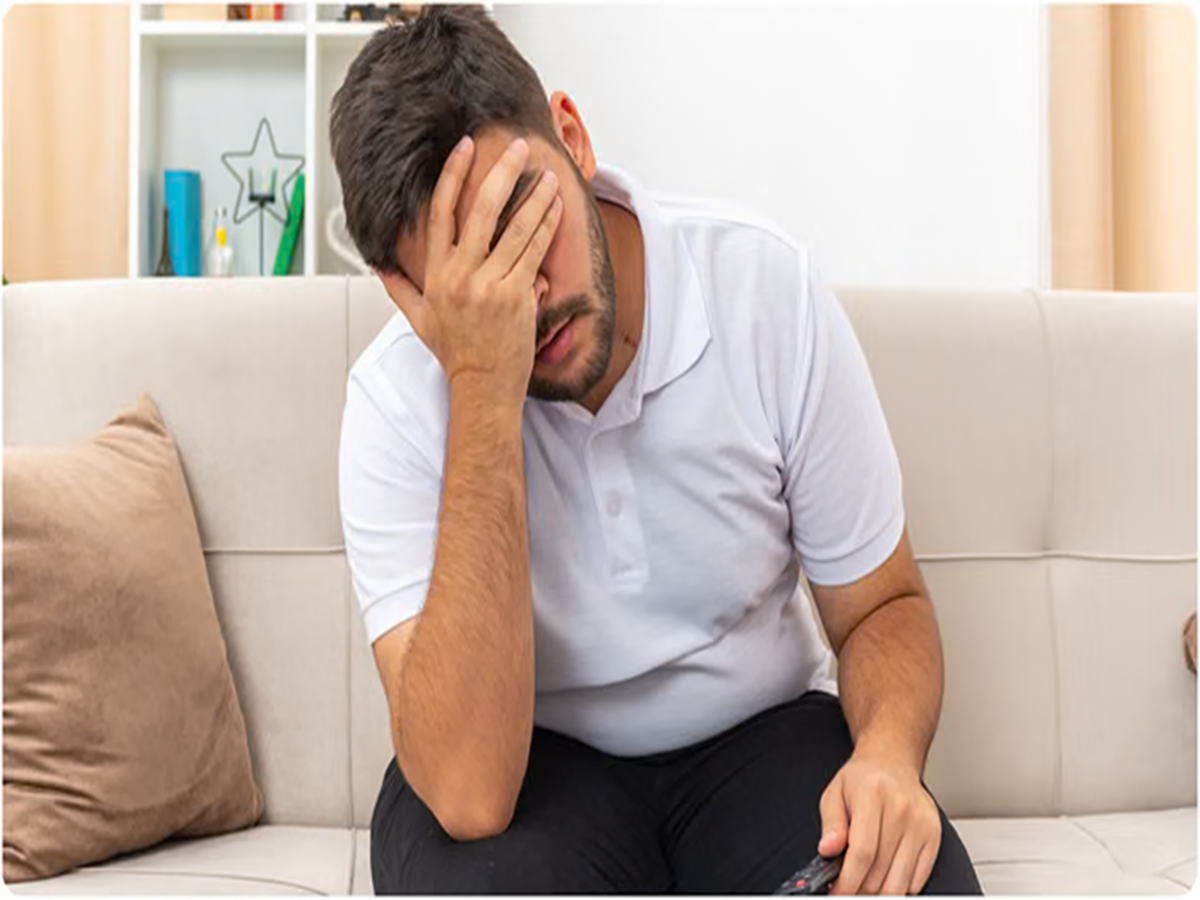
Do you find yourself getting short of breath when climbing stairs? Has the duration of your morning walks decreased, or do you feel more tired than usual when heading to the market? People often dismiss these changes as a natural consequence of aging. However, be cautious: if you frequently experience such issues—to the point where your daily activities are affected—you should consult a doctor and get checked. Sometimes, these symptoms can be an indication of an underlying heart condition.

Doctors advise that a gradual decline in physical capacity after the age of 45 should not be taken lightly. According to cardiologists, heart valve diseases can sometimes progress slowly, leading us to adapt our daily routines and simply learn to live with the symptoms. In such cases, doctors recommend an "activity audit."
Let’s explore when you should become alert to these types of changes in your health.
Do not ignore a decline in physical capacity.
Cardiologist Dr. Nitin Prakash notes that a decline in physical capacity and seemingly minor health issues should not be overlooked.
If you have been feeling a loss of strength, evaluate your daily activities—a process known as an "activity audit." This involves assessing your current physical capacity. Rather than just focusing on whether or not you feel "ill," consider this: are you still able to perform tasks with the same ease as you did a few years ago?
What are the early signs of a heart valve problem?
The heart contains four valves that ensure blood flows in the correct direction. These valves allow blood to move forward while preventing it from flowing backward. When one of these valves malfunctions, it is referred to as "heart valve disease." Individuals suffering from this condition may experience a variety of health issues. Difficulty breathing when walking, climbing stairs, or performing even light physical activity.
Feeling extremely tired without much exertion, or experiencing a lack of energy for daily tasks.
Sudden dizziness or a feeling of losing one's balance.
Swelling in the feet and ankles, typically caused by fluid retention in the lower extremities.
A rapid or irregular heartbeat—a condition known as heart palpitations.
What should you do if you have a heart valve problem?
If you have a heart valve issue, do not panic, but do take it seriously. The following measures can be helpful:
Consult a cardiologist as soon as possible. Undergo a 2D echocardiogram to assess the condition of your heart valves.
Take your prescribed medications regularly; do not stop taking them on your own.
Reduce your intake of salt, fried foods, and high-fat items.
Engage in light physical activity, such as walking, as advised by your doctor. Ensure you have regular heart check-ups.
PC Social Media