LIFESTYLE
Health Talk: Can consuming rock salt raise blood pressure just like white salt? Know the risks..
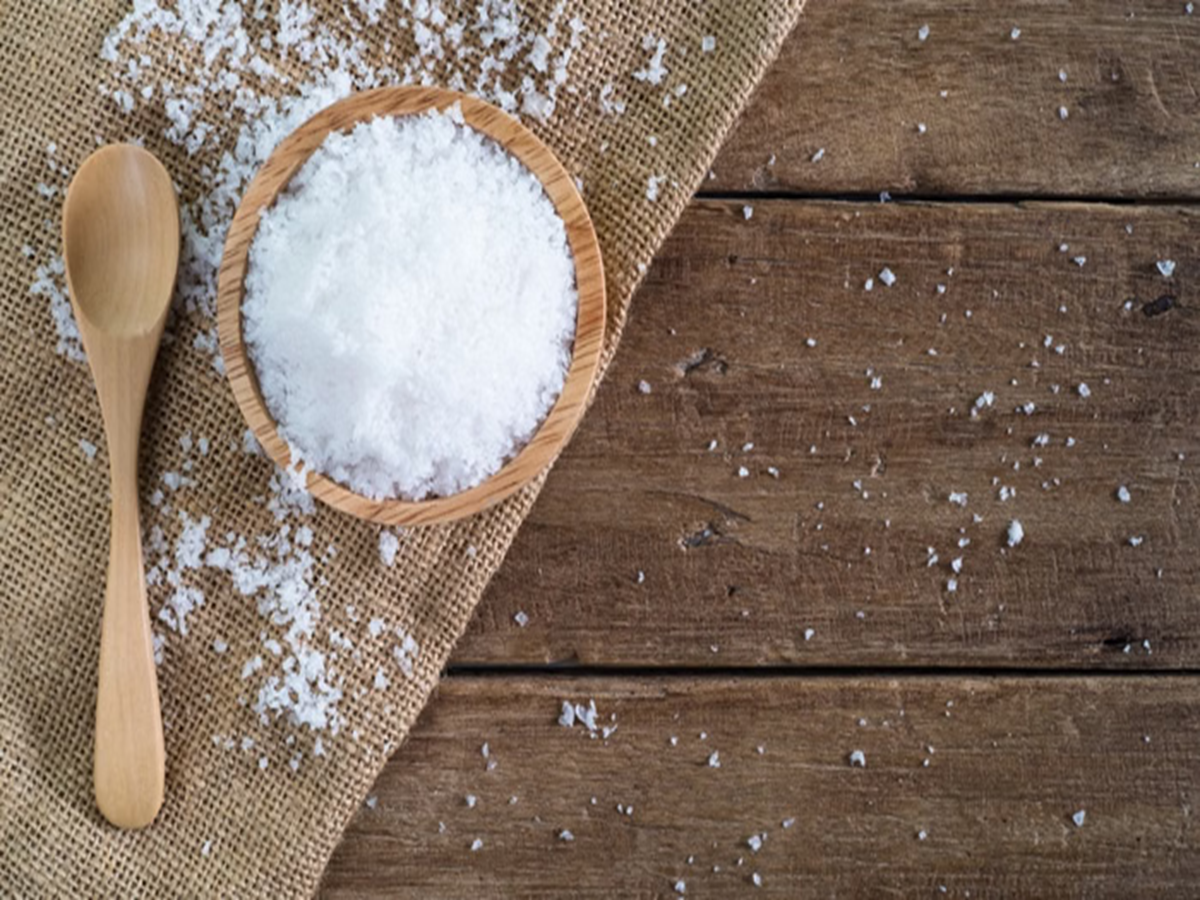
According to a World Health Organization (WHO) report, an estimated 1.4 billion adults worldwide suffer from high blood pressure, or hypertension. Persistently high blood pressure not only increases the risk of heart disease and heart attacks but also raises the likelihood of strokes and kidney problems.

Studies indicate that a lack of physical activity, a sedentary lifestyle, obesity, and excessive salt intake are major contributors to high blood pressure. This is why doctors often advise reducing salt consumption. However, in an effort to cut down on salt, many people have started using rock salt (*sendha namak*) instead of regular white salt. People often believe that because rock salt is natural, it is safer than ordinary salt.
So, does consuming rock salt really eliminate the risk of raising blood pressure?
What effect does rock salt have?
Medical reports suggest that rock salt can be beneficial for digestion and metabolism, as well as for alleviating muscle cramps. But can it also help manage blood pressure?
Health experts point out that rock salt is also primarily composed of sodium chloride. This means that switching from white salt to rock salt does not necessarily eliminate the risk of increased blood pressure. According to a Mayo Clinic report, rock salt, sea salt, and Himalayan salt are all essentially forms of sodium chloride, and excessive consumption of any of them can lead to increased sodium levels.
How significant is the risk to blood pressure?
The WHO recommends that adults consume less than 2,300 milligrams of salt per day. High sodium intake can cause the body to retain water and lead to elevated blood pressure.
Since rock salt is primarily sodium chloride, it also contains sodium. The problem arises when we increase our intake of rock salt under the mistaken belief that it is "blood-pressure-friendly." While the body does require sodium, excessive intake can raise blood pressure.
Therefore, simply replacing table salt with rock salt offers no real benefit; regardless of the type of salt, keeping the overall quantity low is what matters most.
**Avoid other sources of sodium as well**
Health experts point out that sodium is often present in various foods, not just in added salt. Packaged and processed foods, in particular, can contain high levels of sodium.
Savory snacks, chips, instant noodles, sauces, and pickles can all be high in sodium. Consequently, adding rock salt on top of these foods can further increase your total sodium intake. Experts emphasize that merely reducing salt in your meals is not enough to control blood pressure; paying attention to other sources of sodium is equally important.
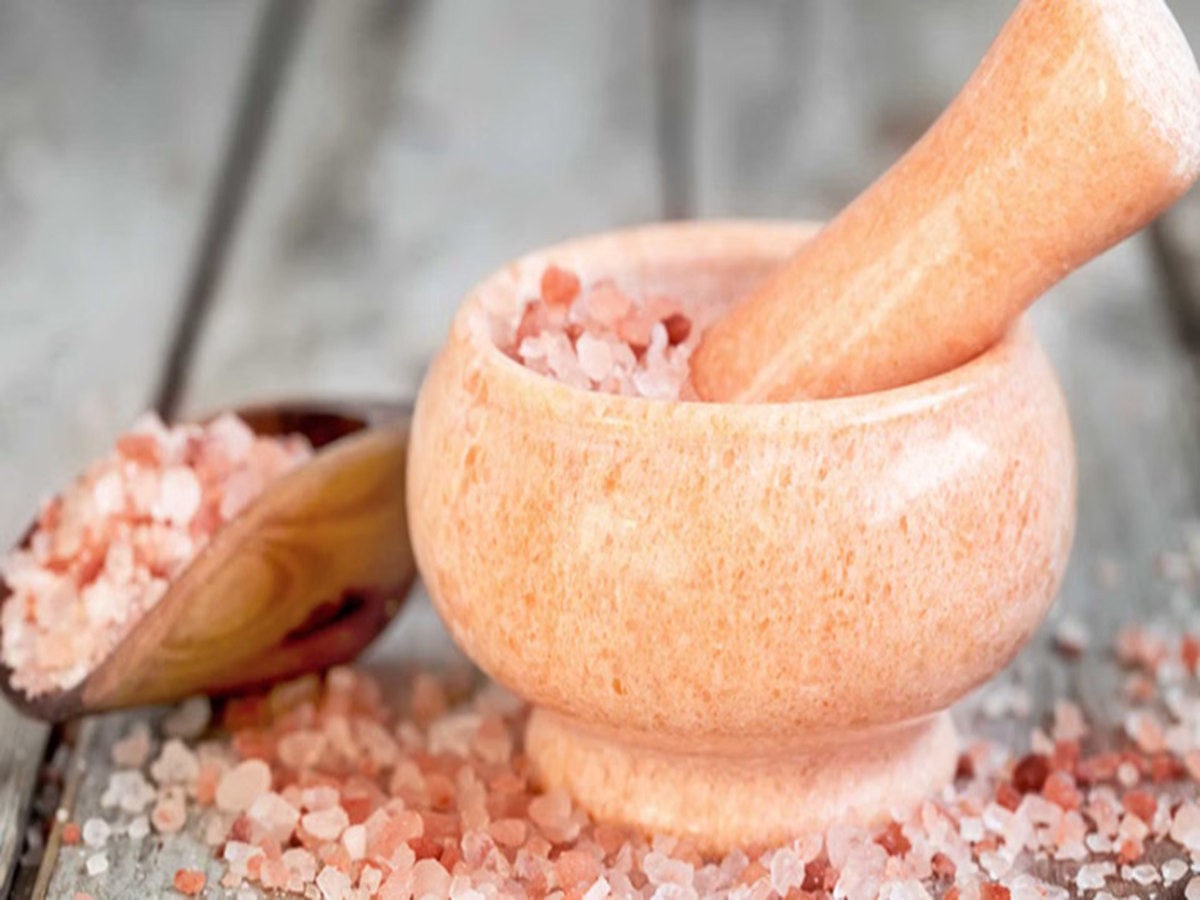
Health experts suggest that if you have high blood pressure, reducing your total sodium intake is more beneficial than simply switching from table salt to rock salt. You can gradually reduce the amount of salt in your diet. Breaking the habit of adding extra salt at the table, cutting down on savory and packaged snacks, and checking sodium levels on food labels before purchasing are better strategies for your health.
PC Social Media