LIFESTYLE
Heart Failure: If you have recently become a mother, you must read this news; otherwise, you could fall victim to heart failure..
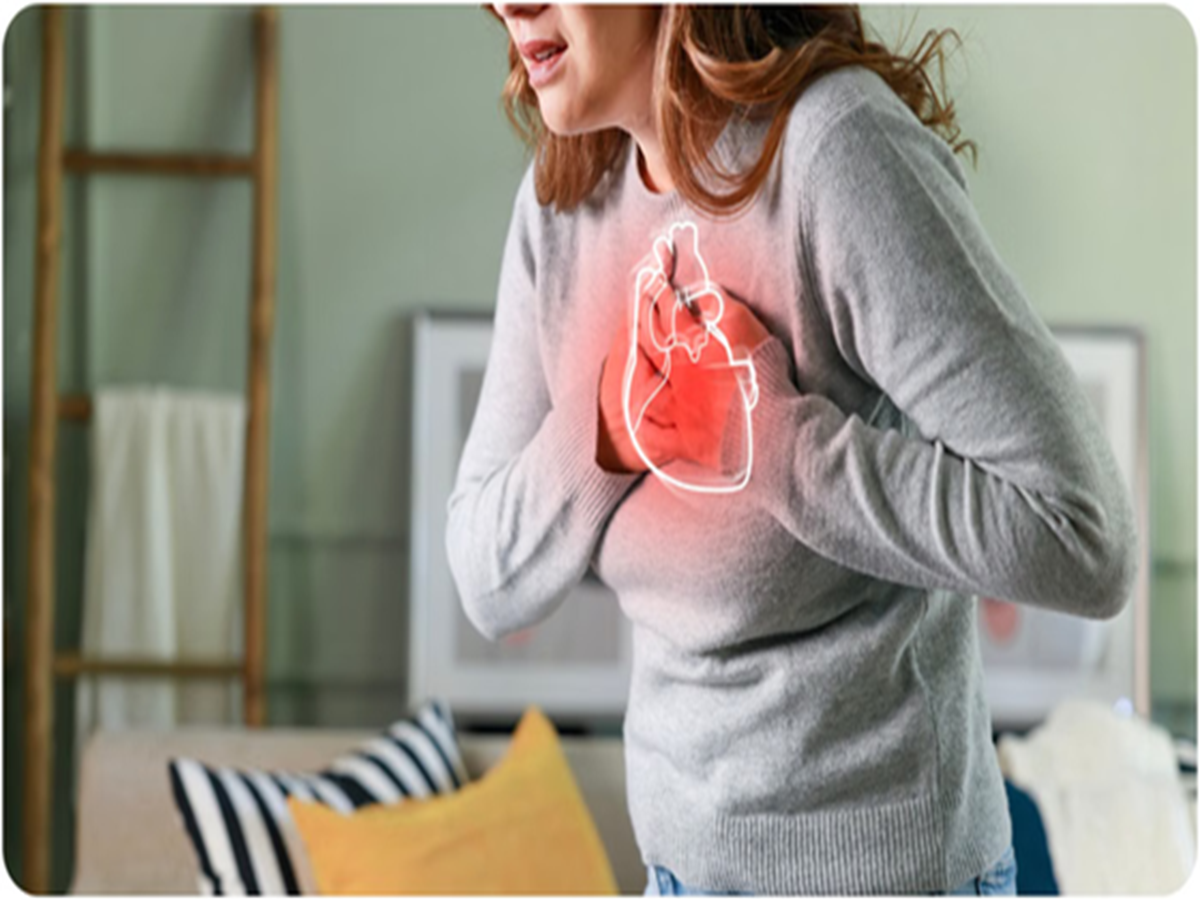
Motherhood is considered the most beautiful phase of a woman's life. A woman requires special care during pregnancy, with attention paid to everything—from diet and rest to medication and regular check-ups. However, once the baby is born, the household's focus shifts entirely to the newborn, and the mother's health is often neglected. This is a major mistake that can increase the risk of serious health problems.
According to doctors, the first year after childbirth is the most critical period for a woman's physical recovery. Pregnancy brings about significant changes in the body, affecting hormones, muscles, bones, and mental health. After delivery, the body gradually returns to its normal state. If the body does not receive adequate nutrition, rest, and proper care during this time, various health issues can arise.
Studies have shown that neglecting one's health or ignoring symptoms during the first year postpartum can significantly increase the risk of heart attack and heart failure.
**Risk of Heart Disease After Childbirth**
Ignoring symptoms such as shortness of breath, extreme fatigue, leg swelling, or rapid weight gain after pregnancy and childbirth—by dismissing them as normal—can prove life-threatening for many women.
The American Heart Association (AHA) believes that if cardiac risks during pregnancy and the postpartum period are identified early, timely treatment can largely prevent serious complications such as irregular heartbeat, stroke, preterm birth, and maternal mortality.
Experts emphasize that continuous monitoring and treatment during the first year after childbirth are essential for safeguarding maternal health. Just as caution is vital during pregnancy, the first year postpartum is considered equally important.
**Alert Issued by the American Heart Association**
This statement by the American Heart Association has been published in the journal *Circulation*. It compiles the latest scientific evidence regarding the identification, risks, diagnosis, treatment, and long-term care of heart failure during pregnancy and the postpartum period.
According to experts, symptoms of heart failure can resemble common pregnancy-related issues. Heart failure is a condition in which the heart is unable to pump sufficient blood to meet the body's needs.
What do the experts say?
Damilade A. Adedinsewo, an Assistant Professor in the Department of Cardiovascular Medicine at the Mayo Clinic, states that all women need to pay close attention to these symptoms.
Heart failure can affect not only the heart but also the lungs, kidneys, brain, and other parts of the body. Reduced blood flow and fluid accumulation in the body can lead to shortness of breath, kidney problems, and irregular heartbeats, while also increasing the risk of stroke and death.
Who is at higher risk?
In addition to women with pre-existing heart disease, the risk of heart failure is higher in women suffering from high blood pressure, type-2 diabetes, abnormal cholesterol levels, obesity, and metabolic syndrome.
Factors such as advanced maternal age, twin or multiple pregnancies, genetic mutations linked to heart disease, the use of assisted reproductive technologies, and the prolonged use of medications to prevent preterm labor also increase the risk.
Approximately 11 percent of women with pre-existing heart disease may develop heart failure during pregnancy or the postpartum period.

Risk increases 32-fold
According to experts, delays in diagnosing and treating heart failure can have serious consequences for both the mother and the baby. National data indicates that the risk of death around the time of delivery for pregnant women with heart failure is approximately 32 times higher than that of other pregnant women.
PC Social Media