LIFESTYLE
Heart-Healthy Foods: Consume these 5 foods to keep your heart rock-solid and in top shape—scientifically proven..
Heart-Healthy Foods: The heart is one of the most vital organs for our survival. While a person might survive for a few minutes or even hours without the functioning of other organs, life cannot be sustained for even a minute if the heart stops beating; a heart attack or heart failure would occur within minutes. Therefore, maintaining heart health is crucial. A healthy diet plays a pivotal role in keeping the heart strong. Arterial blockages are a common concern, significantly increasing the risk of heart attacks. Certain foods can help reduce the risk of such blockages. Additionally, antioxidants are highly beneficial for maintaining the flexibility and strength of heart muscles. While exercise, a stress-free lifestyle, adequate sleep, and happiness are essential for heart health, diet plays a particularly significant role. Here, we discuss five types of foods that are scientifically proven to benefit the heart.
What to Eat for a Strong Heart
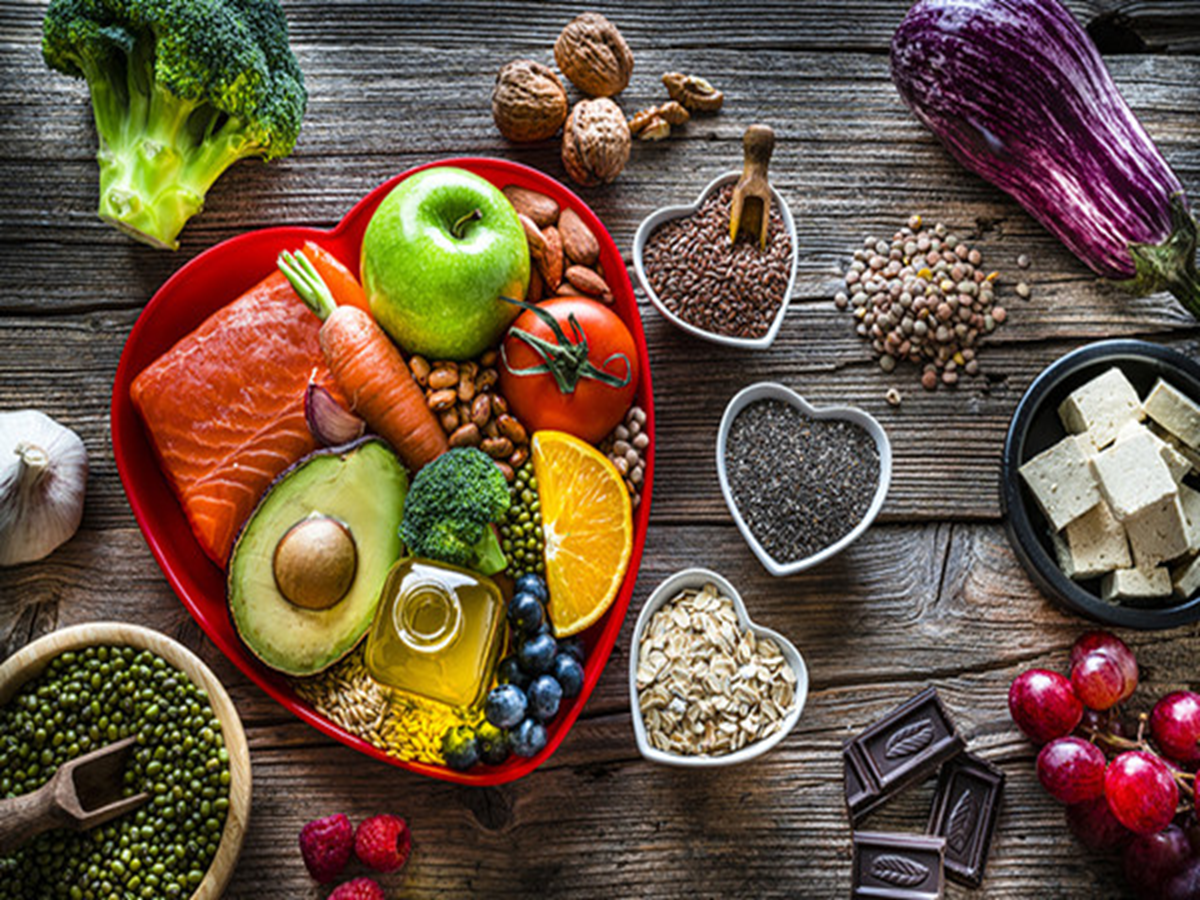
Oily Fish: In a list of heart-healthy foods validated by scientists, the BBC has ranked oily fish at the top. "Oily fish" refers to varieties that are naturally rich in oil—such as salmon, mackerel, sardines, and local varieties like grass carp. These fish are rich in omega-3 fatty acids. Omega-3 fatty acids help prevent blood clotting and inhibit the rise of triglyceride levels in the blood. This helps keep the blood thin and maintains a steady heartbeat. Scientists recommend consuming fish at least twice a week. If you have any heart-related issues, you should aim to consume up to four servings of such fish per week. To ensure you get the benefits of the fish oil, cook these fish over low heat or bake them. The fresher the fish, the more beneficial its consumption will be.
Healthy Fats: You often hear that fat is harmful to health, but our bodies actually have a great need for fats that are not refined. Monounsaturated and polyunsaturated fats are highly beneficial for us; they are known as "friendly fats." Foods like avocados, olive oil, mustard oil, peanut oil, almonds, and cashews contain monounsaturated fats. Similarly, walnuts, flaxseeds, chia seeds, and oily fish contain polyunsaturated fats. These fats help control blood pressure and triglyceride levels and prevent blood clotting. Extra virgin olive oil contains protective compounds called polyphenols, which are known to safeguard the heart against diseases. However, if you cook these fats over high heat, they degrade and lose their beneficial properties. This is where the problem arises: when healthy fats are cooked at very high temperatures, they transform into trans fats, which are detrimental to heart health.
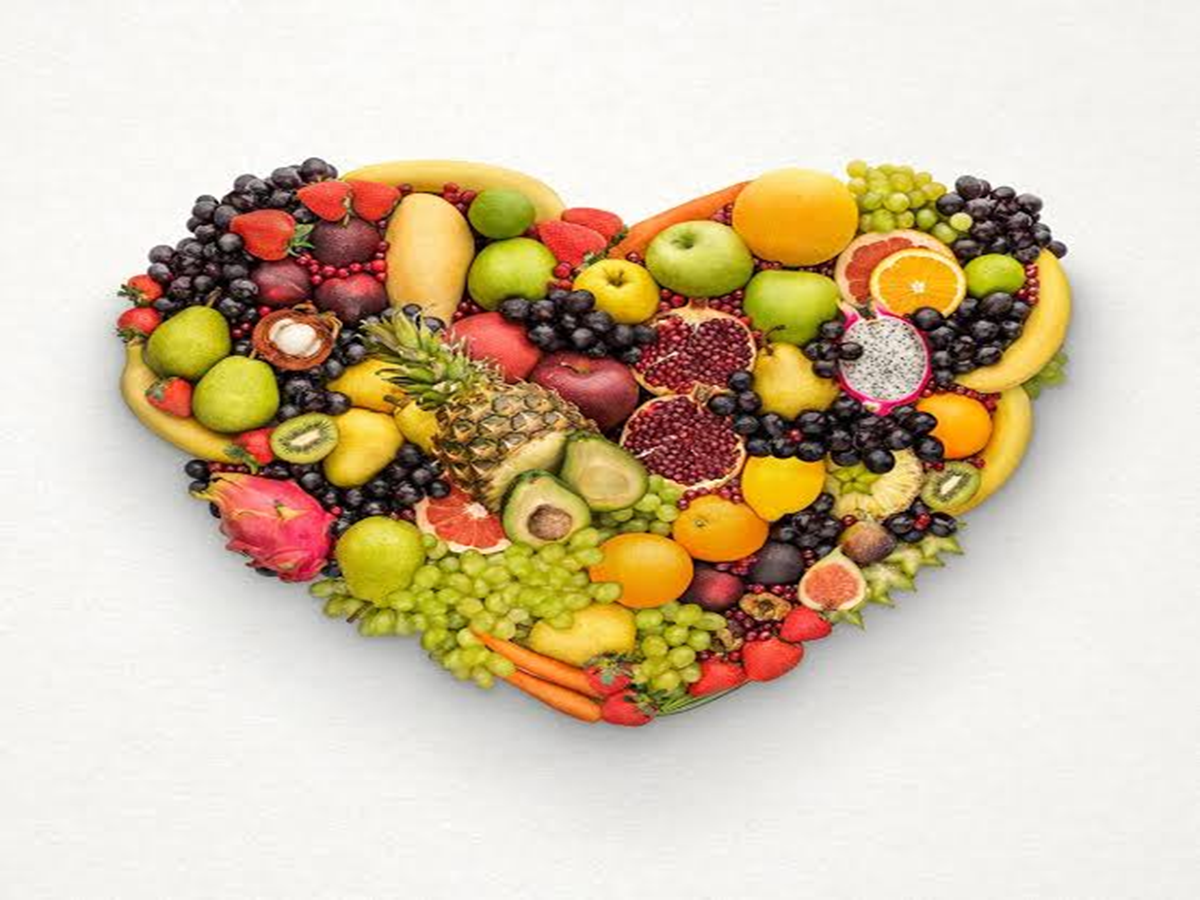
Fruits and Vegetables: Fruits and vegetables are excellent for overall health. Scientific evidence confirms that filling half your plate with fruits and vegetables helps you stay healthy and keeps your heart strong. Research indicates that consuming at least an additional 200 grams of fruits and vegetables daily can help prevent ischemic stroke—a condition caused by an interruption in blood supply. Fruits and vegetables reduce the risk of ischemic heart disease by one-third. Fruits and vegetables are rich in potassium, which helps keep blood pressure under control. The antioxidants present in these foods protect arteries from damage. Doctors recommend consuming at least five colorful fruits and vegetables daily—such as red cabbage, eggplant, tomatoes, jamun (black plum), berries, watermelon, and green leafy vegetables. Garlic is also beneficial for the heart; eating raw garlic strengthens the heart. Additionally, red onions are rich in quercetin, which helps repair damage to blood vessels and improves blood circulation.
Herbal Spices: Numerous studies have proven that Indian herbal spices are highly beneficial for heart health. Beyond ginger and garlic, spices like cinnamon, oregano, chili, and turmeric help prevent arterial inflammation, thereby significantly reducing the risk of heart disease. Ayurveda also employs various herbs to maintain and improve heart health.
Coriander helps balance cholesterol levels. Meanwhile, various types of seeds act as potent remedies for heart health; pumpkin seeds, for instance, provide a combination of magnesium, potassium, and zinc—nutrients that are essential for the heart.
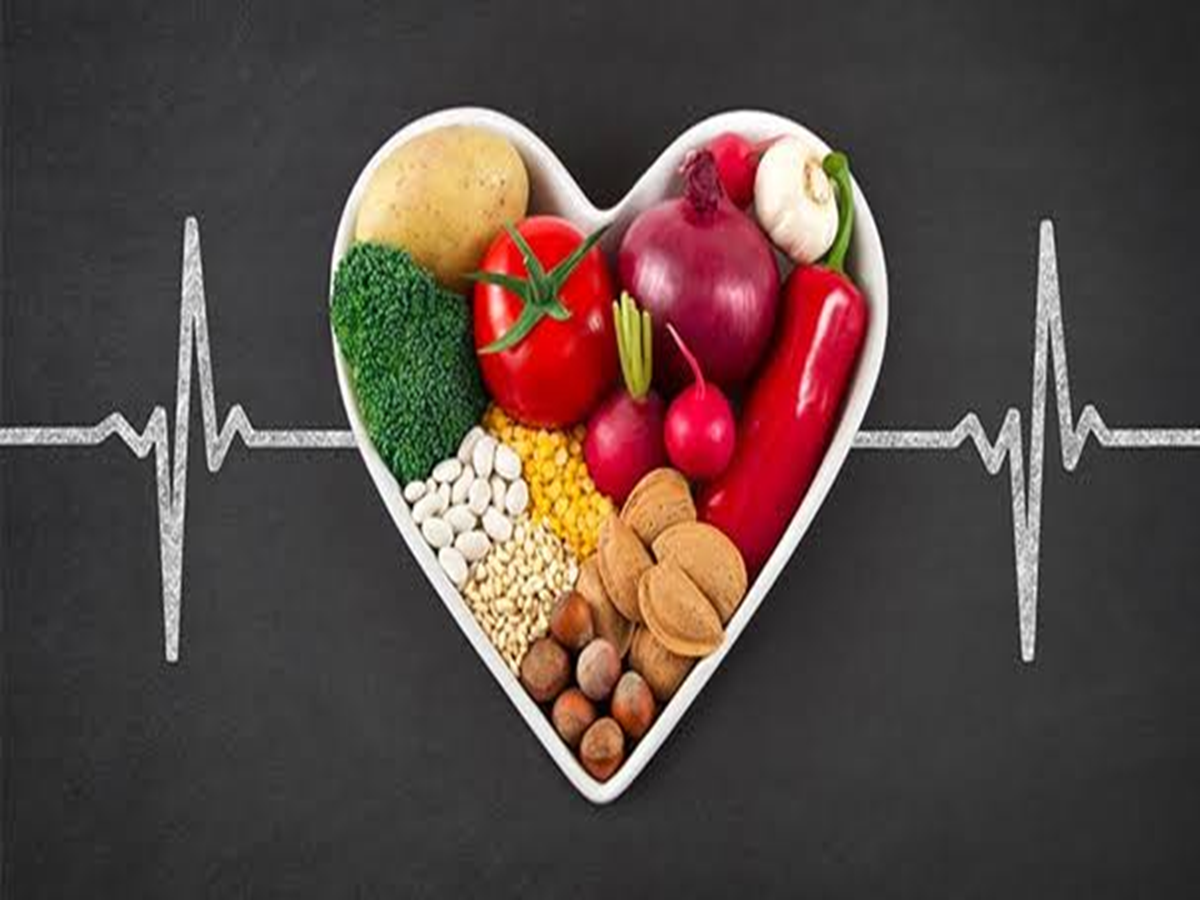
Fiber: Fiber intake is crucial for heart health. Whole grains—such as oats, quinoa, and brown rice—along with lentils, chickpeas, and vegetables, are all rich in fiber. The soluble fiber found in these foods, in particular, helps lower bad cholesterol. Fiber slows down digestion and stabilizes blood sugar levels. Studies indicate that increasing fiber intake reduces the risk of heart disease and significantly lowers the risk of premature death.
PC Social Media