
Parenting
How Dangerous Is Heatstroke in Children? Do Not Ignore These Symptoms—Keep These Key Points in Mind..

Heat Stroke in Young Children: The impact of severe heat is currently being felt across the country. In several states, temperatures have already soared past 45 degrees Celsius. Furthermore, the 'Nautapa' period—nine days of intense heat—is set to begin from May 25 to June 2, making it likely that temperatures will rise even further. In light of this, the Government of India and the Health Department are continuously advising the public to remain vigilant and exercise caution. Particular care should be taken regarding the health of infants and children aged 5 to 6 years; they should not be allowed to venture outdoors. Likewise, do not take infants out into the harsh sunlight. Learn how to protect your child from heat stroke and how to identify its symptoms in children.
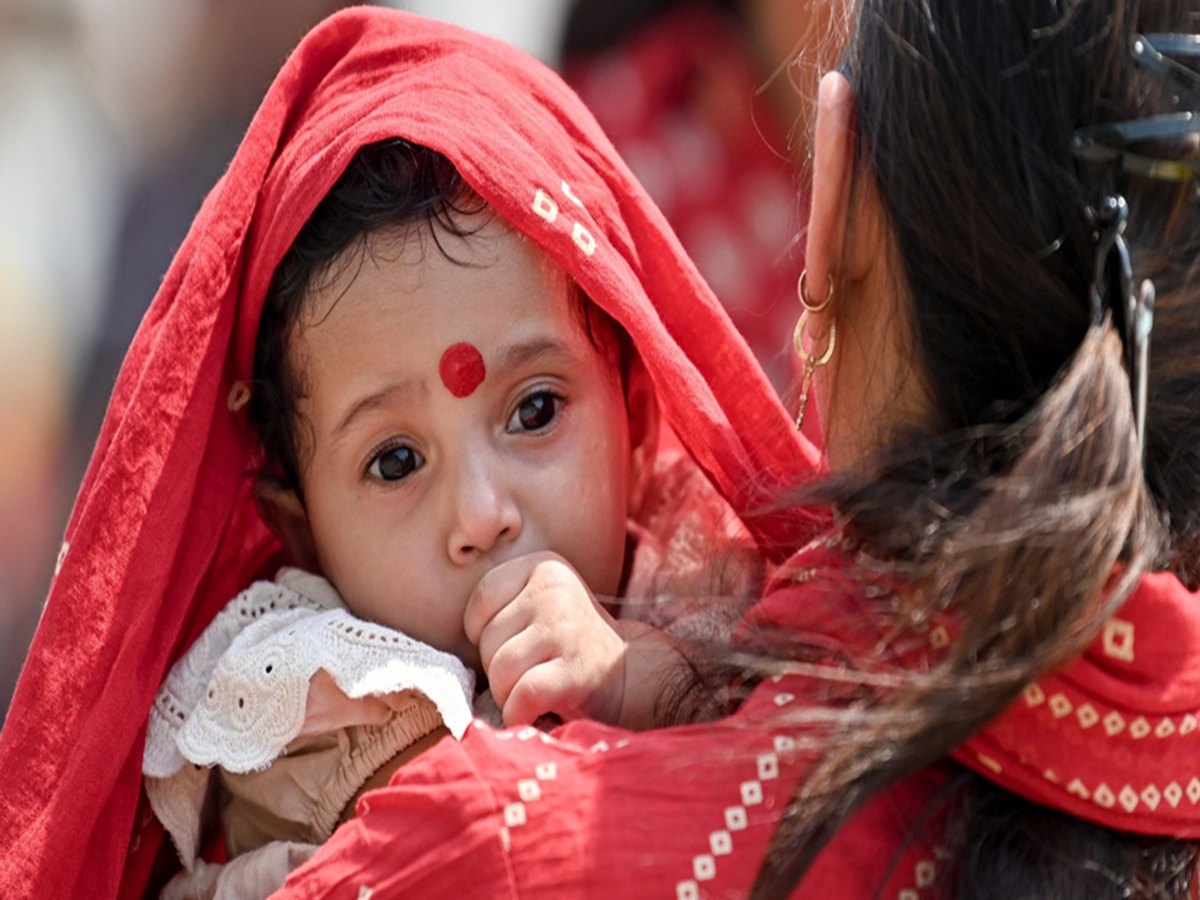
**Young Children at Highest Risk**
According to health experts and the National Health Mission (NHM), newborns and young children are the most susceptible to heat stroke. During periods of intense heat, even a minor lapse in care can have severe consequences for their health. Experts explain that children's bodies heat up very quickly, and they tend to sweat less than adults. Consequently, their body temperature can rise rapidly, leading to heat stroke.
**Essential Precautions to Keep Children Safe**
Special care for children is absolutely crucial during the summer season. According to experts, adopting a few simple measures can effectively protect children from heat stroke:
* Always keep children in a cool and well-ventilated environment.
* Never leave them alone in direct sunlight or inside a closed, hot room.
* Monitor their body temperature periodically.
* Ensure children consume adequate amounts of water and other fluids.
* For infants, ensure regular breastfeeding at appropriate intervals.
**Focus on Clothing and Hygiene**
Experts recommend dressing children in light, loose-fitting cotton clothing during the summer months. Wearing excessive layers of clothing prevents body heat from dissipating. Additionally, bathing children in cool water or wiping their bodies down with a damp cloth can be highly beneficial. Do Not Ignore These Symptoms
If a child cries incessantly, becomes irritable, appears excessively drowsy, vomits, develops a high fever, or experiences difficulty breathing, you should contact a doctor immediately. Experts note that symptoms of heatstroke in infants are often subtle and difficult to recognize early on; therefore, parents need to remain extra vigilant.
Avoid Taking Children Outdoors During the Afternoon
Doctors advise against taking children outdoors between 12:00 PM and 4:00 PM. During this period, the heat and sunlight are at their most intense, which significantly multiplies the risk of heatstroke.
PC Social Media