LIFESTYLE
Why is it essential to worship a young boy alongside 9 young girls during Navratri? Learn about the significance of Batuk Bhairav..
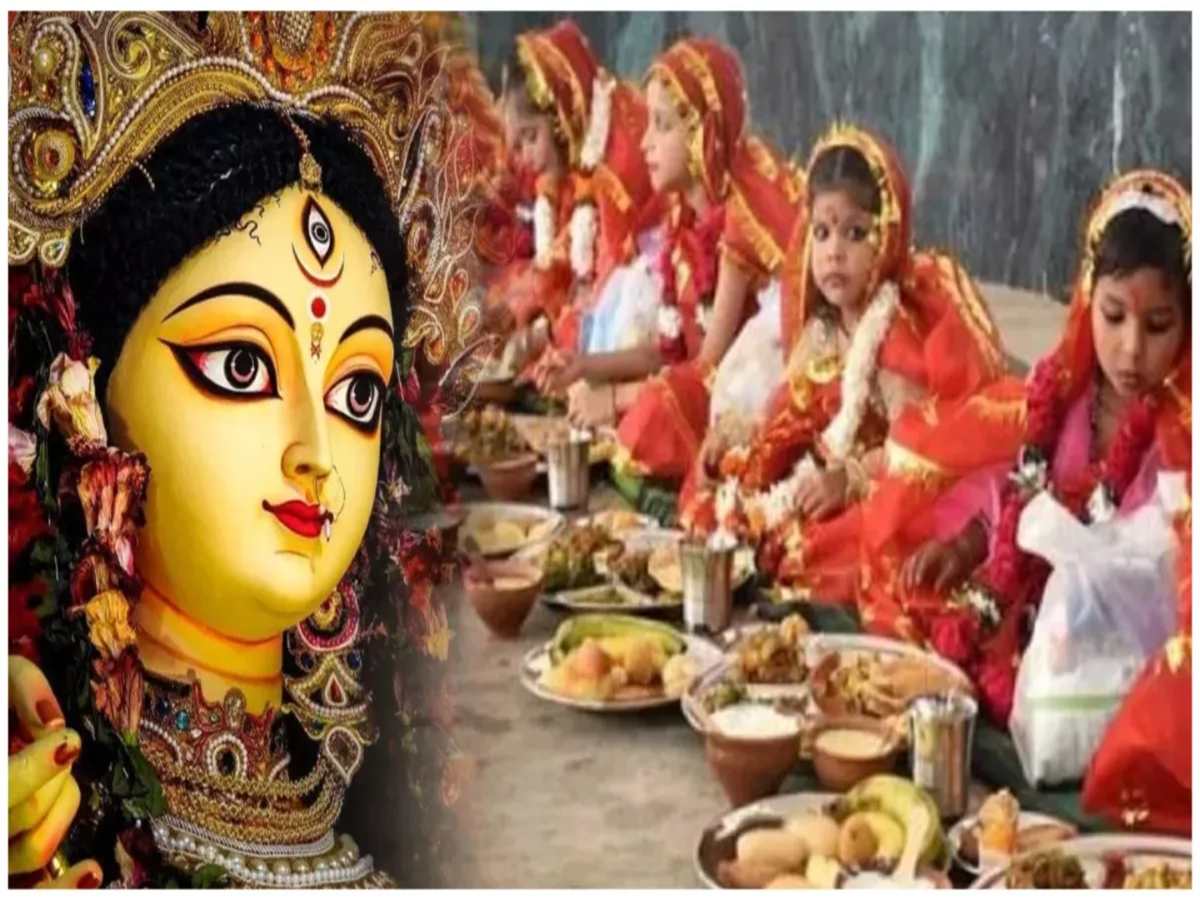
During Sharadiya Navratri, the nine forms of Goddess Durga are worshipped. A significant aspect of this period is 'Kanya Pujan' (the worship of young girls). It is believed that the essence of Goddess Durga resides within young girls; therefore, nine girls are offered a meal and worshipped. However, are you aware that there is also a tradition of including a young boy in this ritual? According to religious beliefs, this boy is considered a manifestation of 'Batuk Bhairav'.
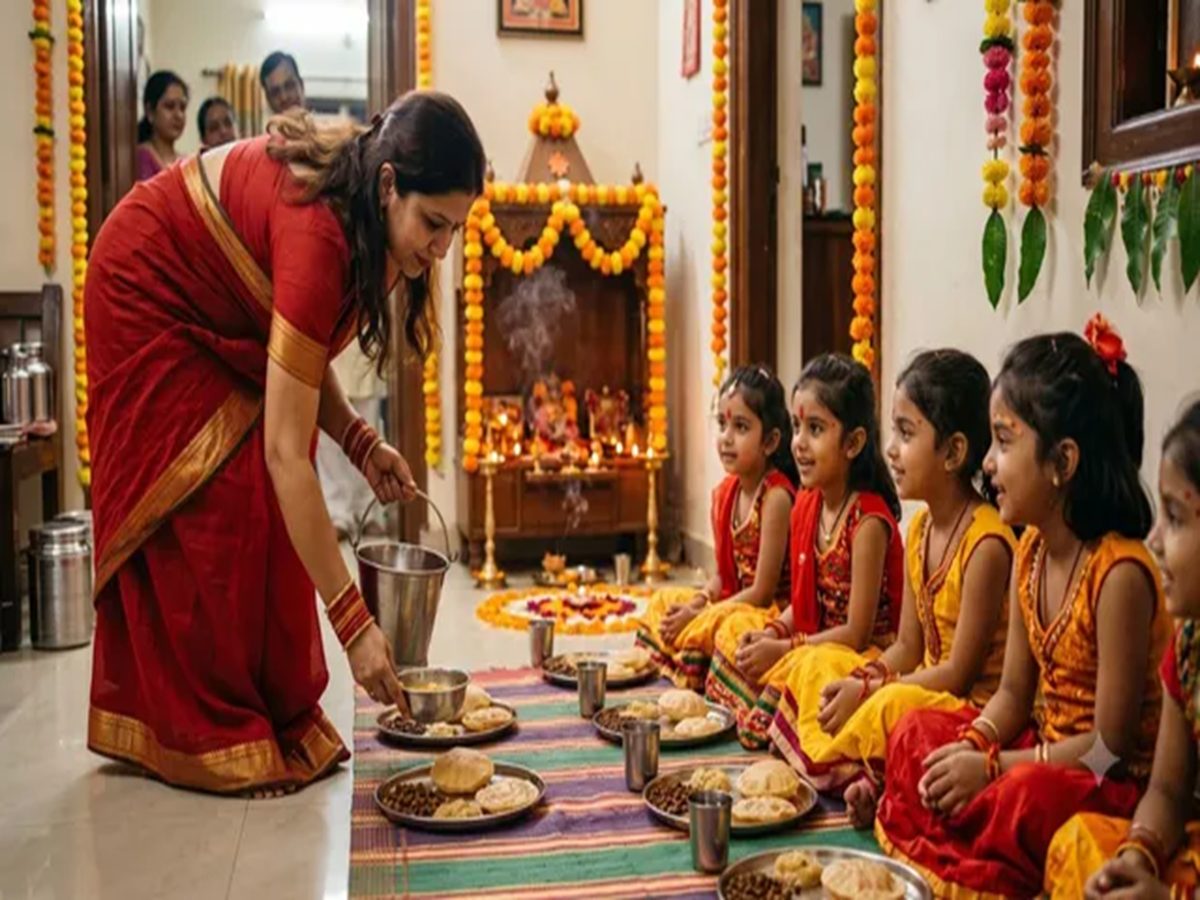
According to Ujjain-based astrologer Anand Bhardwaj, while Goddess Durga is revered as the embodiment of power and strength, Batuk Bhairav is regarded as the protector of the Goddess's power. This is why, during Navratri, along with the worship of young girls, Batuk Bhairav—represented by a young boy—is also worshipped. In religious tradition, the presence of Bhairav alongside the 'Shaktipeeths' (sacred shrines of the Goddess) holds special significance. It is based on this belief that Batuk Bhairav is included in the Kanya Pujan ritual. Devotees worship both Goddess Durga and Batuk Bhairav, seeking happiness, prosperity, protection, and the blessings of the Goddess.
Worship in the form of Bhairav
Batuk Bhairav is considered the child form of Lord Shiva’s 'Bhairav' manifestation. The tradition of worshipping a young boy alongside young girls during Navratri carries great importance. According to religious tenets, the young girls represent the divine feminine power (Shakti), while the worship of Batuk Bhairav is linked to the form of Lord Shiva. Thus, worshipping both is believed to bring a sense of completeness to the devotion of both Shakti (the Goddess) and Shiva.
Kanya Pujan on Ashtami and Navami
This year, the 'Ashtami' (eighth day) falls on October 18, and 'Navami' (ninth day) falls on October 19. Kanya Pujan can be performed on either of these days. As part of the ritual, the young girls are honored by having their feet washed, being offered a meal, and receiving gifts. In the same process, a young boy is also specially worshipped. This tradition carries not only religious significance but also conveys a meaningful social message. This ritual—which involves honoring young girls and worshipping boys as manifestations of Bhairava—symbolizes a balance of feminine and masculine energies, as well as mutual respect and devotion. It reflects the profound depth of Indian culture, in which both power (Shakti) and protection are revered together.
PC Social Media