Parenting
How to Put an End to Children's Stubbornness? These Parenting Tricks Really Work—Learn How to Handle It..

Every parent wishes for their child to be sensible and calm-natured; however, stubbornness is considered a common trait among young children. Situations such as crying over a toy, demanding a mobile phone, or throwing a tantrum to get their own way are sights witnessed in almost every household. Often, parents react by scolding the child in anger or immediately giving in to their demands; however, both approaches can exacerbate the problem in the long run. It is considered far more important to handle a child's stubbornness with wisdom and patience.

Young children often struggle to articulate their emotions effectively. When a desire of theirs goes unfulfilled, they tend to resort to crying, screaming, or displaying anger. At times, children act stubbornly simply to garner attention. If parents consistently fulfill every single demand of the child immediately, the child begins to believe that they can obtain anything they want simply by being stubborn. Over time, this can evolve into a deeply ingrained habit.
**Communicate Calmly, Not Angrily**
When a child is acting stubbornly, scolding them loudly or resorting to physical punishment can actually worsen the situation. Rather than being intimidated into submission, the child may become even more irritable. In such moments, maintaining your composure and talking to the child calmly is considered a far more effective approach. For instance, if a child is crying over something, begin by listening attentively to what they have to say. Often, the mere realization that they are being heard is enough to soothe and calm a child down.
**Saying "Yes" Every Time Is Not Right**
Many parents immediately give in to their children's demands—either to stop them from crying or to avoid the embarrassment that might arise in public settings. However, this approach can actually fuel the child's stubbornness. It is essential to gradually teach the child to accept and get used to hearing the word "no." That said, the *manner* in which you say "no" is equally important. Rather than simply issuing a refusal, it is considered far better to explain the underlying reason behind it.
**Screen Time Can Also Fuel Stubbornness**
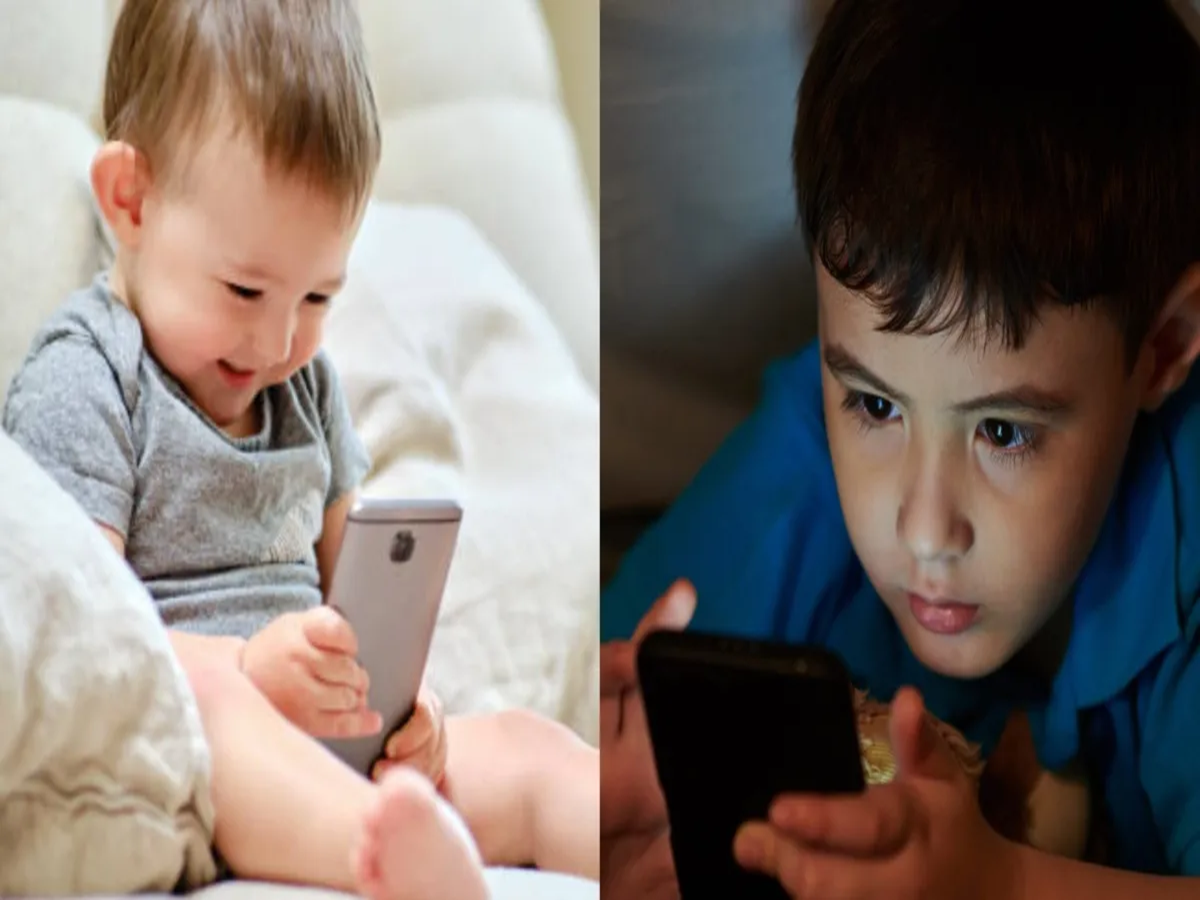
In today's world, mobile phones and television screens are exerting a significant influence on children's behavioral habits. Children who spend excessive amounts of time in front of screens are prone to becoming irritable and short-tempered. It is not uncommon for them to throw tantrums or act stubbornly when asked to turn off their games or videos. Therefore, limiting children's screen time and keeping them engaged in outdoor activities, reading, or sports is considered beneficial.
**Praise Good Behavior**
Whenever a child complies with something without throwing a tantrum, be sure to praise them. This encourages the child to repeat such good behavior. Experts refer to this as "positive reinforcement"—that is, encouraging and fostering good conduct.
**Your Own Behavior Matters, Too**
Children learn a great deal by observing the people around them. If anger or arguments erupt over every minor issue at home, it can have an impact on the children as well. Therefore, maintaining a calm and balanced demeanor as parents is also considered extremely important.
PC Social Media