LIFESTYLE
Identify real versus fake paneer in two minutes—take note of these methods recommended by the FSSAI..
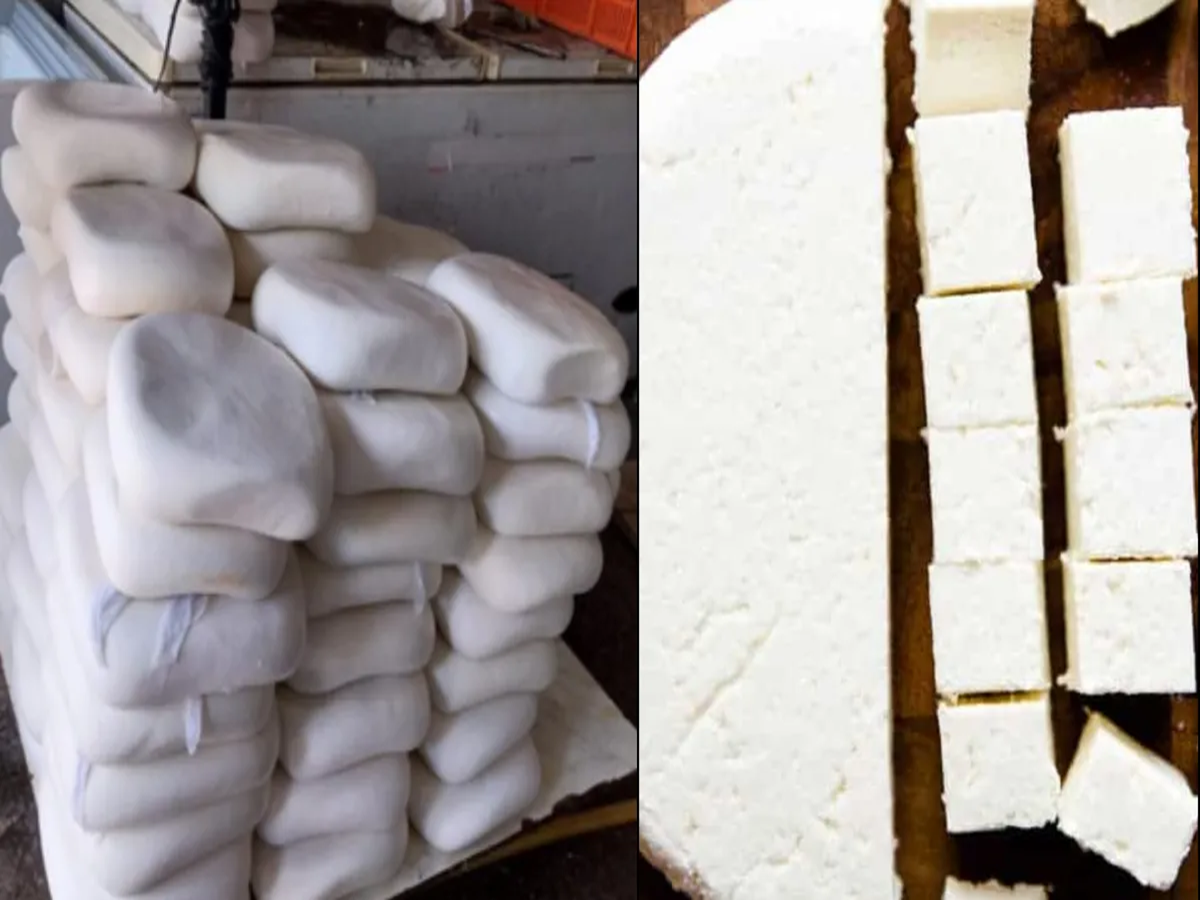
Tips for Identifying Pure Paneer: During the festive season, as the demand for milk and dairy products rises, those involved in food adulteration become active. Actions taken by the FSSAI and local authorities have led to the discovery of adulterated paneer and sweets in various locations. In light of this, the Food Safety and Standards Authority of India (FSSAI) has shared methods to distinguish between genuine and fake paneer, urging the public to test it before consumption.
Adulterators are openly selling "analog" or fake paneer—products made using palm oil, starch, and hazardous chemicals instead of milk fat. Fortunately, you can easily identify whether your paneer is genuine or fake right in your own kitchen, without the need for any laboratory testing. Methods such as the iodine test, the hot water test, and the manual rubbing/crumbling test can help you determine the purity of your paneer.
Iodine Test
This is considered the most reliable and scientific method for detecting adulteration in paneer.
How to perform the test: Boil a small piece of paneer thoroughly in water and allow it to cool. Then, add 2–3 drops of iodine tincture—easily available at pharmacies—onto the paneer. Result: If the paneer turns blue or deep purple, it is fake, indicating the presence of starch, potato, or arrowroot. The color of genuine paneer does not change at all when iodine is added.
Manual Rubbing/Crumbling Test
How to perform the test: Take a small piece of paneer and rub or crumble it between your fingers. Result: Genuine paneer is very soft and granular; when rubbed, it breaks apart and crumbles easily. In contrast, fake paneer tends to stretch like rubber or feels excessively hard or sticky. Hot Water Test
Test Method: Place a piece of paneer in hot water and leave it for 5 to 7 minutes. Result: Genuine paneer becomes even softer and more tender in hot water. However, if the paneer is fake or made using vegetable oil, it will begin to dissolve, break apart, or crumble.
Taste and Smell
Test Method: Before purchasing or cooking the paneer, smell it and taste a small piece raw. Result: Genuine paneer has a mild, pleasant, milky aroma and tastes slightly sweet and creamy. In contrast, fake paneer may have an unusual odor—resembling detergent or chemicals—and may feel rubbery or completely flavorless when chewed.
Griddle (Tawa) Test
Test Method: Place a piece of paneer directly onto a griddle (tawa) and heat it without adding any oil or water. Result: Genuine paneer does not melt when heated; instead, it begins to turn a light golden brown. Conversely, fake paneer will start to melt immediately upon heating or become excessively sticky.
Arhar Dal (Split Pigeon Pea) Powder Test
Test Method: Boil the paneer in water, let it cool, then add a small amount of arhar dal powder (or flour) to the water and leave it for about 10 minutes. Result: If the water begins to turn slightly red, it indicates that harmful chemicals or detergents have been added to the paneer to enhance its durability and flexibility.
PC Social Media